
- Home
- News
- Program
- Past Event
- Photography Contest
- Attraction Introduction
- Lotus Culture
- Donation
Home
Origins
Over 140 million years ago, lotus flowers were already growing in the Yellow River and Yangtze River basins, demonstrating remarkable resilience.
At the Yangshao cultural site dating back 5,000 years, two lotus seeds marked the beginning of a long and enduring history of lotus cultivation.
During the Spring and Autumn and Warring States periods, the lotus gradually entered the spiritual realm of the Chinese people. By the Qin Dynasty, its influence had extended into religion, medicine, and other fields.
After the Sui and Tang dynasties, lotus culture became a source of inspiration for poetry, painting, sculpture, and garden art.
From the Song and Ming dynasties onward, the lotus came to symbolize the noble character of the virtuous gentleman, with narratives emphasizing its role in cultivating moral integrity. Among the common people, the twin lotus flower represented marital harmony and perfection, while homophones such as “lotus (bestows) noble sons” and “lotus (brings) surplus year after year (with fish)” became auspicious motifs expressing hopes for a prosperous life.
As a symbol of Chinese culture and an emblem of Buddhism, the lotus embodies four virtues: subtlety, wonder, fragrance, and purity. The ancients praised the lotus accordingly: with lines like “Lotus leaves five inches wide, lotus blossoms delicate and fair,” they celebrated its subtle virtue; with “Unfurling and closing, blooming freely as it will,” they captured its wondrous virtue; with “The breeze wafts fragrant sleeves high in the air,” they acknowledged its fragrant virtue; and with“Emerging from the mud unstained, washed by clear ripples yet never coquettish,” they exalted its pure virtue.
In the wake of the pandemic, to pray for the prosperity and harmony of Hong Kong, Po Lin Monastery, together with Institute of Horticulture (Hong Kong) and other organizations, launched the “Prosperous Lotus· Blessings for Hong Kong”2023 Hong Kong Lotus Festival, and has continued this tradition to this day. The Hong Kong Lotus Festival aims to use the lotus as a vehicle to tell the stories of traditional Chinese culture, strengthen the public’s cultural identity, and encourage the people of Hong Kong to take the lotus as their teacher, cultivating the character of a gentleman.
Over 140 million years ago, lotus flowers were already growing in the Yellow River and Yangtze River basins, demonstrating remarkable resilience.
At the Yangshao cultural site dating back 5,000 years, two lotus seeds marked the beginning of a long and enduring history of lotus cultivation.
During the Spring and Autumn and Warring States periods, the lotus gradually entered the spiritual realm of the Chinese people. By the Qin Dynasty, its influence had extended into religion, medicine, and other fields.
After the Sui and Tang dynasties, lotus culture became a source of inspiration for poetry, painting, sculpture, and garden art.
From the Song and Ming dynasties onward, the lotus came to symbolize the noble character of the virtuous gentleman, with narratives emphasizing its role in cultivating moral integrity. Among the common people, the twin lotus flower represented marital harmony and perfection, while homophones such as “lotus (bestows) noble sons” and “lotus (brings) surplus year after year (with fish)” became auspicious motifs expressing hopes for a prosperous life.
As a symbol of Chinese culture and an emblem of Buddhism, the lotus embodies four virtues: subtlety, wonder, fragrance, and purity. The ancients praised the lotus accordingly: with lines like “Lotus leaves five inches wide, lotus blossoms delicate and fair,” they celebrated its subtle virtue; with “Unfurling and closing, blooming freely as it will,” they captured its wondrous virtue; with “The breeze wafts fragrant sleeves high in the air,” they acknowledged its fragrant virtue; and with“Emerging from the mud unstained, washed by clear ripples yet never coquettish,” they exalted its pure virtue.
In the wake of the pandemic, to pray for the prosperity and harmony of Hong Kong, Po Lin Monastery, together with Institute of Horticulture (Hong Kong) and other organizations, launched the “Prosperous Lotus· Blessings for Hong Kong”2023 Hong Kong Lotus Festival, and has continued this tradition to this day. The Hong Kong Lotus Festival aims to use the lotus as a vehicle to tell the stories of traditional Chinese culture, strengthen the public’s cultural identity, and encourage the people of Hong Kong to take the lotus as their teacher, cultivating the character of a gentleman.
News
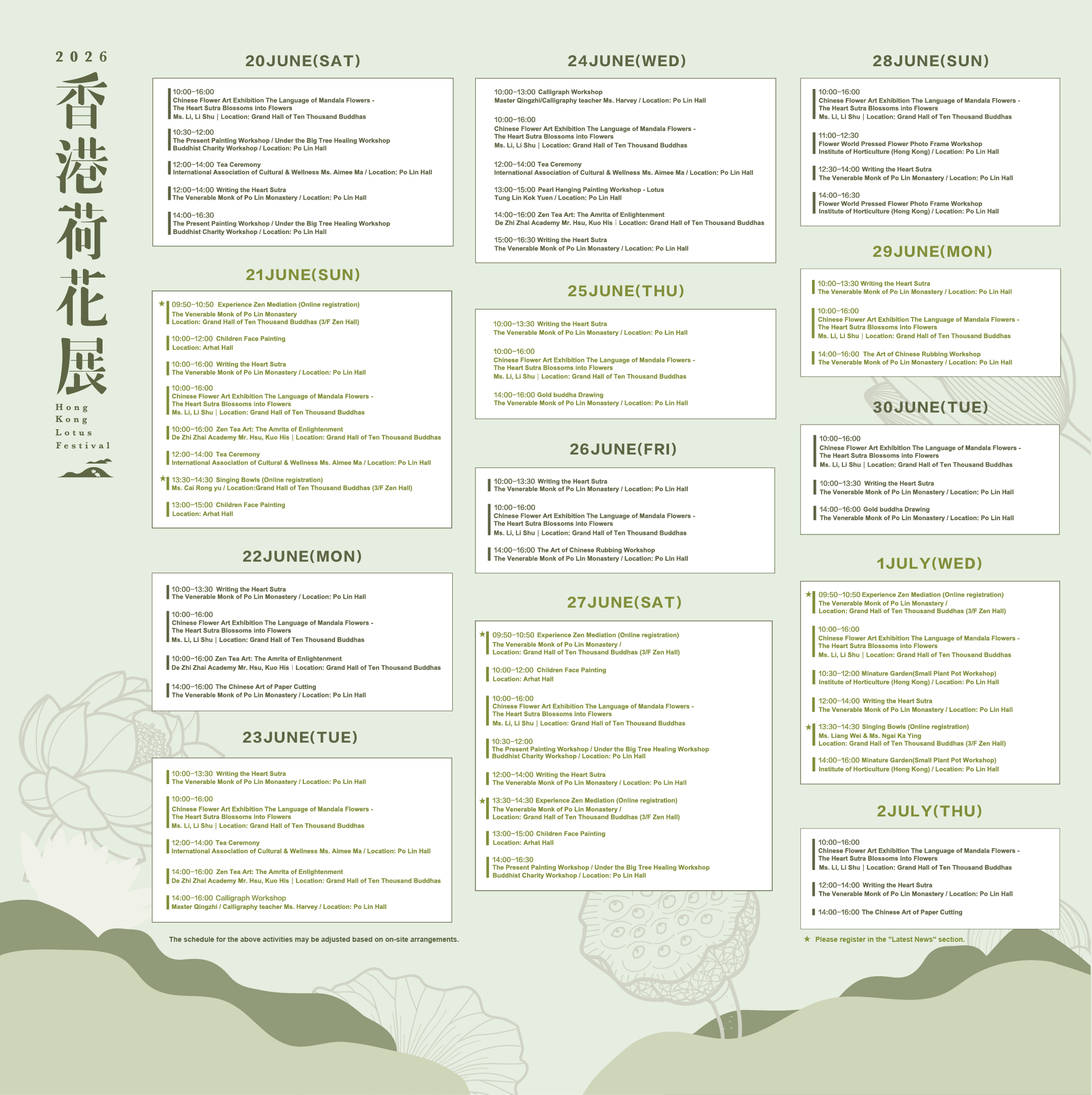
During the Lotus Exhibition, meditation and singing bowl sessions will be held. Online registration is required, with limited places available.
Schedule
21 June
09:50 – 10:50 Meditation
13:30 – 14:30 Singing Bowl Session
27 June
09:50 – 10:50 Meditation
13:30 – 14:10 Singing Bowl Session
1 July
09:50 – 10:50 Meditation
13:30 – 14:30 Singing Bowl Session
Schedule
21 June
09:50 – 10:50 Meditation
13:30 – 14:30 Singing Bowl Session
27 June
09:50 – 10:50 Meditation
13:30 – 14:10 Singing Bowl Session
1 July
09:50 – 10:50 Meditation
13:30 – 14:30 Singing Bowl Session
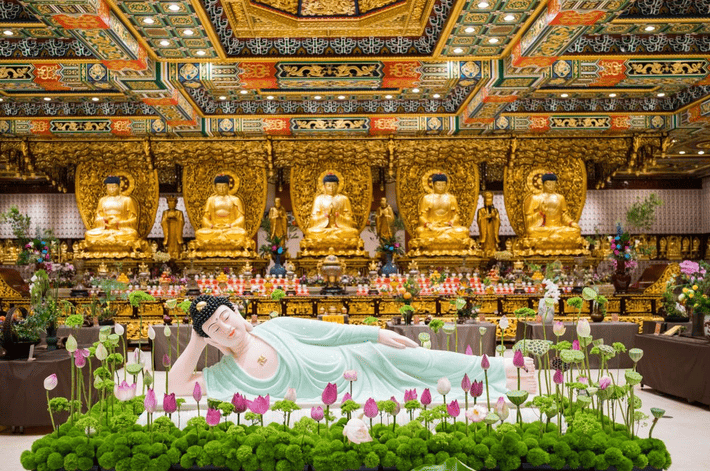
Since the first Hong Kong Lotus Exhibition in 2023, the Chinese Floral Art and Tea Ceremony team, led by Pro. Lee-shu Li and Pro. Guoxi Xu, has presented audiences with a traditional cultural feast using flowers and tea as vehicles, each year with uniquely crafted themes. Their presentations have drawn significant attention at every previous Lotus Exhibition.
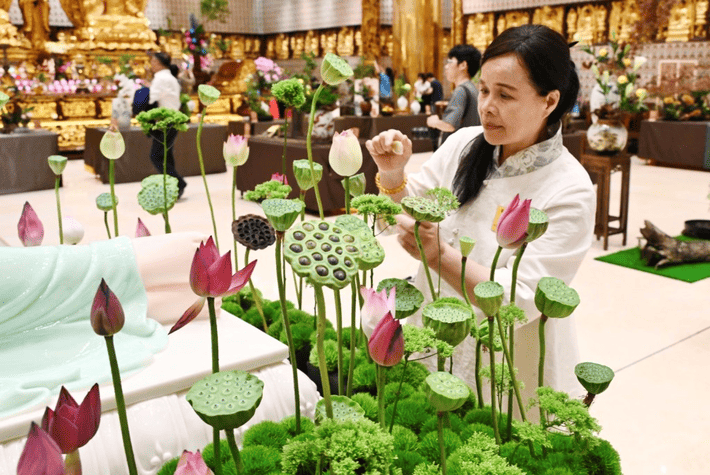
This year, this team will bring us the Prajñā Heart Sūtra · Heart Blossoms, Flowers Bloom Chinese Floral Art and Tea Ceremony Exhibition, rooted in the creative essence of the Heart Sūtra. A profound healing journey integrating vision, smell, taste, and spiritual perception is about to slowly unfold amid the fragrance of lotuses.
Theme: "Transcending All Suffering · Blossoming Prajñā Light"
This exhibition takes the Prajñā wisdom of the Heart Sūtra as its essence and uses Chinese floral art and Zen tea as its expression. Through the fusion of art and ritual, it presents the silent power of spiritual healing. The exhibition is divided into two main parts:
(I) Chinese Floral Art Exhibition | Mandala Floral Language — "Sūtra Transformed into Flowers"
Using mandala symmetrical structures and interwoven branches and leaves, this exhibition presents the wisdom of "perceiving that the five aggregates are empty." Viewers will experience, through the floral arrangements, a state of life that transcends suffering and returns to ease.
(II) Zen Tea Art | Nectar of Enlightenment
With tea as the heart and water as the dharma, ten Zen tea settings echo the wisdom of "transcending all suffering." A single cup of clear tea brings the mind to rest, far from inverted thoughts and dreams.
(I) Chinese Floral Art Exhibition | Mandala Floral Language — "Sūtra Transformed into Flowers"
Using mandala symmetrical structures and interwoven branches and leaves, this exhibition presents the wisdom of "perceiving that the five aggregates are empty." Viewers will experience, through the floral arrangements, a state of life that transcends suffering and returns to ease.
(II) Zen Tea Art | Nectar of Enlightenment
With tea as the heart and water as the dharma, ten Zen tea settings echo the wisdom of "transcending all suffering." A single cup of clear tea brings the mind to rest, far from inverted thoughts and dreams.
Origin
In the contemplation of the Heart Sūtra, we see the nature of suffering and understand that all things arise and cease due to causes and conditions. In 2026, Chinese floral art will present the essential meaning of the Heart Sūtra through the approach of "using art to carry the Way": transforming inner suffering through floral language and returning to tranquil ease through the fragrance of tea.
Pro Lee-shu Li will lead over sixty disciples in creating large, medium, and small works, along with mandala floral art and ten Zen tea settings, guiding viewers to personally experience the wisdom and ease of "transcending all suffering, with a heart free from hindrance" through observing flowers, smelling fragrances, and tasting tea.
Pro Lee-shu Li will lead over sixty disciples in creating large, medium, and small works, along with mandala floral art and ten Zen tea settings, guiding viewers to personally experience the wisdom and ease of "transcending all suffering, with a heart free from hindrance" through observing flowers, smelling fragrances, and tasting tea.
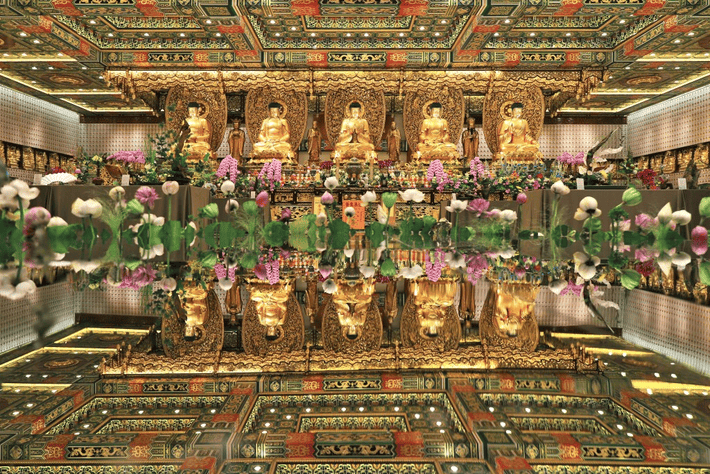
Introduction to Exhibition Works
(I) Theme: Mandala Floral Language — "Sūtra Transformed into Flowers"
The entire exhibition is divided into seven major zones based on the core teachings of the Heart Sūtra. Each zone is a poem, a realm, and a contemplation of the heart:
1. Perceiving Freedom · Heart Opens, Then Sees
When the heart is gentle, the way we see the world becomes brighter and broader. Contemplation means returning to oneself, allowing the heart to slowly open like a door. Freedom is not far away; it is only in this single moment of clarity.
2. Perceiving the Five Aggregates · Seeing Reality
When the mind is still, it becomes clear; when clear, it can perceive. The five aggregates are like clouds, arising from causes and conditions. Understanding "illusion-like" does not mean denying everything, but rather facing life's gatherings and partings with a softer heart.
3. Transcending All Suffering · The Healing of Emptiness
Suffering need not be pushed away; as long as the mind knows how to abide, it can pass through. All healing begins with "being willing to return to the heart."
4. Form is Not Different from Emptiness, Emptiness is Not Different from Form
Weaving the deepest floral philosophy with "form" and "negative space." Negative space is not nothingness, but letting light into the heart. Emptiness is not absence, but non-attachment; form is not permanence, but a transient appearance. When we cease grasping, emptiness becomes light, illuminating the truth of life and lighting the path forward.
5. Without Hindrance · Attaining Great Freedom
With a heart without hindrance, one is free and fearless. Let go of one thought, and the wind can pass through; let go of a thousand thoughts, and the mind becomes free. Hindrances are knots we tie ourselves. When we let go of one thought, everything loosens. Freedom is not leaving, but seeing clearly; fearlessness is not aggression, but the mind no longer being pulled.
6. Bodhi Mind Arises · Flowers Bloom as Tathāgatagarbha
Bodhi is not far away; it is only in the clarity of this present moment. When we are willing to look inward, to be soft and kind, flowers will quietly bloom in the heart — silent yet profound.
7. Prajñā Flows · Stillness and Illumination Walk Together
Presenting "the never-ceasing flow of Prajñā wisdom — a life that is both still and radiant" through harmonious structures. Wisdom is silent; it shines quietly, warmly, and gently. With a single moment of clarity, Prajñā flows within the heart.
Number of Floral Art Works
Large works: 2 pieces (mandala-style giant floral art, Heart Sūtra visual theme)
Medium works: 15 pieces (main works in the seven poetic realm theme zones)
Small works: 30 pieces (extensions of Heart Sūtra phrases into floral language)
Director: Professor Lee-shu Li
(II) Zen Tea Art | Nectar of Enlightenment — "Dharma Water of Perceiving Freedom"
Using tea to connect the seven poetic realms of the Heart Sūtra, ten Zen tea settings echo "unobstructed in all ten directions, dharma water flows everywhere," allowing people to experience the wisdom of "transcending all suffering" amid the fragrance of tea.
Themes of the Ten Tea Settings
(1) Contemplating the Mind — Perceiving One's Own Heart
(2) Emptiness and Form — Emptiness is Form
(3) Original Stillness — Heart Without Hindrance
(4) Original Purity — Clear and Unobstructed
(5) Leaving Dust — Suffering Does Not Abide in Me
(6) No Attainment — Because Nothing is Attained
(7) No Hindrance — Free and Fearless
(8) Peaceful Mind — Awakening to Emptiness and Bright Mind
(9) Perfect Stillness — Life and Death Are Like a Dream
(10) Faith and Realization — Original Bodhi Mind
Directors: Teacher Xu Guoxi, Professor Lese-shu Li
The entire exhibition is divided into seven major zones based on the core teachings of the Heart Sūtra. Each zone is a poem, a realm, and a contemplation of the heart:
1. Perceiving Freedom · Heart Opens, Then Sees
When the heart is gentle, the way we see the world becomes brighter and broader. Contemplation means returning to oneself, allowing the heart to slowly open like a door. Freedom is not far away; it is only in this single moment of clarity.
2. Perceiving the Five Aggregates · Seeing Reality
When the mind is still, it becomes clear; when clear, it can perceive. The five aggregates are like clouds, arising from causes and conditions. Understanding "illusion-like" does not mean denying everything, but rather facing life's gatherings and partings with a softer heart.
3. Transcending All Suffering · The Healing of Emptiness
Suffering need not be pushed away; as long as the mind knows how to abide, it can pass through. All healing begins with "being willing to return to the heart."
4. Form is Not Different from Emptiness, Emptiness is Not Different from Form
Weaving the deepest floral philosophy with "form" and "negative space." Negative space is not nothingness, but letting light into the heart. Emptiness is not absence, but non-attachment; form is not permanence, but a transient appearance. When we cease grasping, emptiness becomes light, illuminating the truth of life and lighting the path forward.
5. Without Hindrance · Attaining Great Freedom
With a heart without hindrance, one is free and fearless. Let go of one thought, and the wind can pass through; let go of a thousand thoughts, and the mind becomes free. Hindrances are knots we tie ourselves. When we let go of one thought, everything loosens. Freedom is not leaving, but seeing clearly; fearlessness is not aggression, but the mind no longer being pulled.
6. Bodhi Mind Arises · Flowers Bloom as Tathāgatagarbha
Bodhi is not far away; it is only in the clarity of this present moment. When we are willing to look inward, to be soft and kind, flowers will quietly bloom in the heart — silent yet profound.
7. Prajñā Flows · Stillness and Illumination Walk Together
Presenting "the never-ceasing flow of Prajñā wisdom — a life that is both still and radiant" through harmonious structures. Wisdom is silent; it shines quietly, warmly, and gently. With a single moment of clarity, Prajñā flows within the heart.
Number of Floral Art Works
Large works: 2 pieces (mandala-style giant floral art, Heart Sūtra visual theme)
Medium works: 15 pieces (main works in the seven poetic realm theme zones)
Small works: 30 pieces (extensions of Heart Sūtra phrases into floral language)
Director: Professor Lee-shu Li
(II) Zen Tea Art | Nectar of Enlightenment — "Dharma Water of Perceiving Freedom"
Using tea to connect the seven poetic realms of the Heart Sūtra, ten Zen tea settings echo "unobstructed in all ten directions, dharma water flows everywhere," allowing people to experience the wisdom of "transcending all suffering" amid the fragrance of tea.
Themes of the Ten Tea Settings
(1) Contemplating the Mind — Perceiving One's Own Heart
(2) Emptiness and Form — Emptiness is Form
(3) Original Stillness — Heart Without Hindrance
(4) Original Purity — Clear and Unobstructed
(5) Leaving Dust — Suffering Does Not Abide in Me
(6) No Attainment — Because Nothing is Attained
(7) No Hindrance — Free and Fearless
(8) Peaceful Mind — Awakening to Emptiness and Bright Mind
(9) Perfect Stillness — Life and Death Are Like a Dream
(10) Faith and Realization — Original Bodhi Mind
Directors: Teacher Xu Guoxi, Professor Lese-shu Li
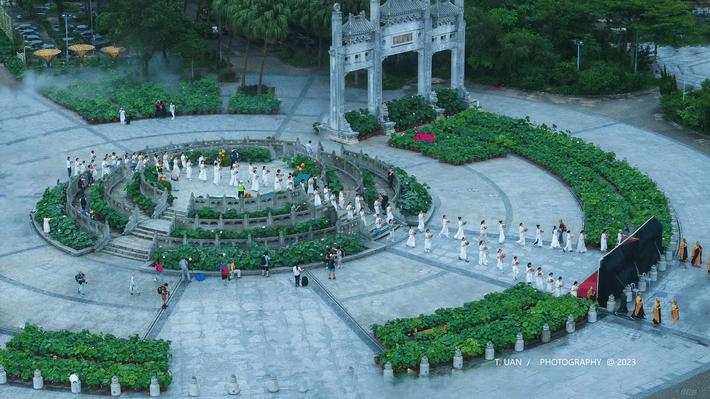
Exhibition Curatorial Concept
This exhibition takes the Heart Sūtra as its essence, Chinese floral art and Zen tea as its expression, and the "six senses" as the entry point for contemplative practice. It integrates the following three core concepts:
Environmental Teaching — Creating a space of stillness and silence through light, floral vessels, and color tones, allowing visitors to experience the mind that transcends suffering.
Contemplative Practice — Contemplating the mind in stillness. Through observing flowers, smelling fragrances, and tasting tea, viewers practice "perceiving" and "contemplating emptiness."
Walking Meditation — A "Heart Sūtra Path" connects the seven exhibition zones. With each step, a verse; with each verse, a heart — experiencing suffering transforming into freedom.
Environmental Teaching — Creating a space of stillness and silence through light, floral vessels, and color tones, allowing visitors to experience the mind that transcends suffering.
Contemplative Practice — Contemplating the mind in stillness. Through observing flowers, smelling fragrances, and tasting tea, viewers practice "perceiving" and "contemplating emptiness."
Walking Meditation — A "Heart Sūtra Path" connects the seven exhibition zones. With each step, a verse; with each verse, a heart — experiencing suffering transforming into freedom.
Exhibition Goals
Physical and Mental Healing: Using mandala floral art and Zen tea to guide the public in releasing anxiety and returning to the present moment.
Dharma Practice: Expressing emptiness and non-hindrance through floral language and tea fragrance, grounding "transcending all suffering" in daily life.
Spiritual Connection: Contemplating the heart through flowers, perceiving through tea. Reconnecting with oneself, nature, and all beings.
Dharma Practice: Expressing emptiness and non-hindrance through floral language and tea fragrance, grounding "transcending all suffering" in daily life.
Spiritual Connection: Contemplating the heart through flowers, perceiving through tea. Reconnecting with oneself, nature, and all beings.
Author Biography
Professor Lee-shu Li
Experience:
PhD, Institute of Oriental Humanities and Thought, Huafan University / Senior Professor of Chinese Floral Art / First-Level Senior Professor, Ikenobo Ikebana, Kyoto, Japan / Senior Professor, American Floral Art Design Institute
Current Positions:
President, France-China Classical Art Association of Flower, Tea, and Incense / Director and Honorary Board Member, Shanghai Pudong Office, Chinese Floral Art Foundation /Distinguished Expert, Display Art Committee, China Architectural Culture Research Association / Professor, Center for Humanities Education and Research, Huafan University
Professor Li has studied floral art for nearly 40 years and has taught floral art for over 30 years. She has guided more than 200 students in Taiwan to obtain qualifications as Chinese floral art professors. She possesses both theoretical research and practical experience. Using Zen studies as fertile ground and Chinese culture as her foundation, she integrates Japanese and American elements, creating innovations that bridge ancient and modern. She is dedicated to promoting the beauty of Chinese floral art and tea ceremony internationally, serving as a carrier and practitioner of Chinese floral art aesthetics, making significant contributions to the promotion of traditional Chinese floral culture.
Publications and Audio-Visual Works:
Includes dozens of works such as Earth's Necklace, Heart Blossoms, Flowers Bloom, The Complete Art of Chinese Tea Ceremony, and the Buddha's Mind, Flower Sea series.
Experience:
PhD, Institute of Oriental Humanities and Thought, Huafan University / Senior Professor of Chinese Floral Art / First-Level Senior Professor, Ikenobo Ikebana, Kyoto, Japan / Senior Professor, American Floral Art Design Institute
Current Positions:
President, France-China Classical Art Association of Flower, Tea, and Incense / Director and Honorary Board Member, Shanghai Pudong Office, Chinese Floral Art Foundation /Distinguished Expert, Display Art Committee, China Architectural Culture Research Association / Professor, Center for Humanities Education and Research, Huafan University
Professor Li has studied floral art for nearly 40 years and has taught floral art for over 30 years. She has guided more than 200 students in Taiwan to obtain qualifications as Chinese floral art professors. She possesses both theoretical research and practical experience. Using Zen studies as fertile ground and Chinese culture as her foundation, she integrates Japanese and American elements, creating innovations that bridge ancient and modern. She is dedicated to promoting the beauty of Chinese floral art and tea ceremony internationally, serving as a carrier and practitioner of Chinese floral art aesthetics, making significant contributions to the promotion of traditional Chinese floral culture.
Publications and Audio-Visual Works:
Includes dozens of works such as Earth's Necklace, Heart Blossoms, Flowers Bloom, The Complete Art of Chinese Tea Ceremony, and the Buddha's Mind, Flower Sea series.
Special Events During Exhibition Period
During the exhibition, Professor Lee-shu Li and Professor Guoxi Xu will personally lead "Zen Tea Experiences and Interactive Tea Settings," inviting visitors to personally experience the still and illuminating wisdom of the Heart Sūtra amid the quiet fragrance of tea.
Conclusion
With "transcending all suffering" at its core, this exhibition uses flowers, tea, and pathways to allow viewers to deeply experience the wisdom of the Heart Sūtra through the senses, mind, and action. Whether Hong Kong citizens, students, or visitors from around the world, all can enter a spiritual journey beyond afflictions and return to ease while enjoying lotuses, observing flowers, and tasting tea — through contemplative practice and mindful walking.
Await with anticipation:
Prajñā Heart Sūtra · Heart Blossoms, Flowers Bloom — Perceive yourself, transcend all suffering, amid flowers and tea.
Await with anticipation:
Prajñā Heart Sūtra · Heart Blossoms, Flowers Bloom — Perceive yourself, transcend all suffering, amid flowers and tea.
Program
Tree Healing & Buddha Origami
Origin
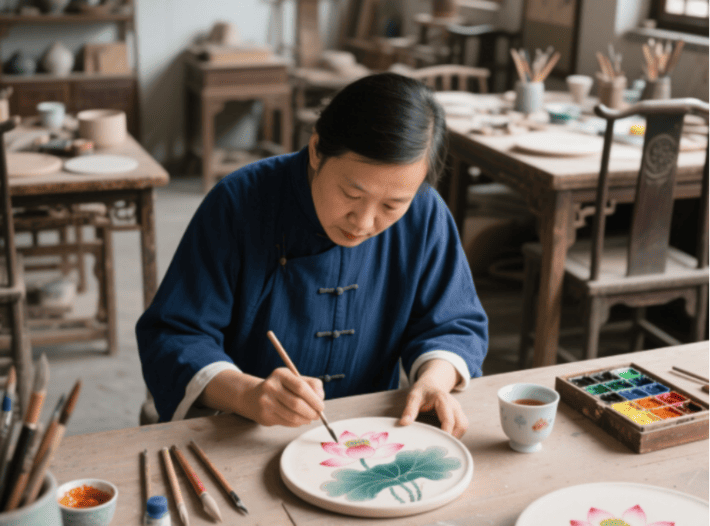 After years of exploration, the "Hong Kong Lotus Exhibition" has gradually distilled two precious cores from the healing properties of plants through the six senses: wisdom enlightenment and spiritual healing. These cores are seamlessly integrated into the workshop series of the Lotus Exhibition through vivid and lively mediums such as scripture copying, painting, and origami, nourishing the soul in a subtle and silent way.
Take the "Tree Healing" & "Buddha Origami" experiential projects as examples. Like dew drops condensing on the surface of lotus leaves, they perfectly reflect the complementary humanistic qualities of enlightenment and healing that the Lotus Exhibition embodies.
Tree Healing Art Workshop
The Buddhist bi-weekly Warm Earth features a column titled "The Formless Tree." The trees depicted in this column are strong, upright, and diverse in form. Have you ever thought that you, too, could draw a tree — one planted in your own heart?
The Tree Healing Art Workshop will share the techniques of the column's artist for drawing trees. It turns out that you don't need to have studied painting, nor are there any rigid rules. By calming your mind, you will discover that the seed is already within you. Come and sketch the towering tree that lives in your heart!
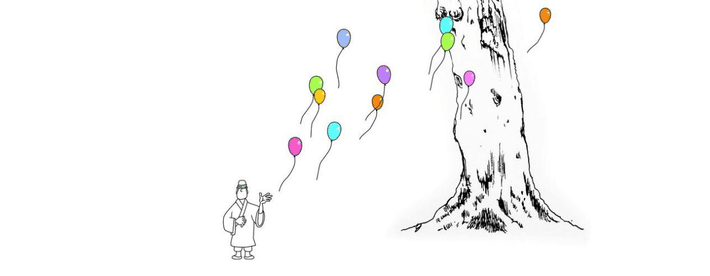
The Tree Healing Art Workshop will share the techniques of the column's artist for drawing trees. It turns out that you don't need to have studied painting, nor are there any rigid rules. By calming your mind, you will discover that the seed is already within you. Come and sketch the towering tree that lives in your heart!
Buddha Origami Workshop
Using a single sheet of paper, various forms are shaped through skillful folding. Origami art originated in China. It not only holds artistic and aesthetic value but also contains mathematical principles and spatial geometry, with its designs rooted in topology and geometric algorithms.
The Buddha Origami Workshop is inspired by the story of Prince Siddhartha, who sat on a bed of grass under the Bodhi tree, attained enlightenment, and has since continuously taught all beings. Through the art of origami, we recreate the scene of Buddha's enlightenment and gratefully remember his compassionate teachings.
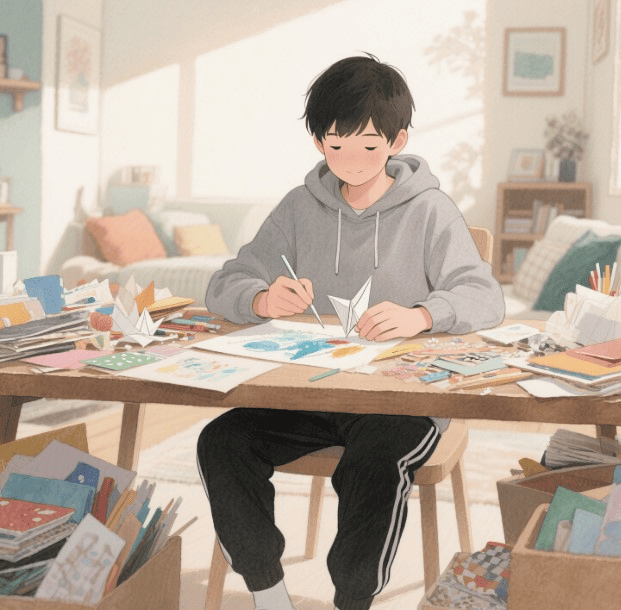
The Buddha Origami Workshop is inspired by the story of Prince Siddhartha, who sat on a bed of grass under the Bodhi tree, attained enlightenment, and has since continuously taught all beings. Through the art of origami, we recreate the scene of Buddha's enlightenment and gratefully remember his compassionate teachings.
Past Event
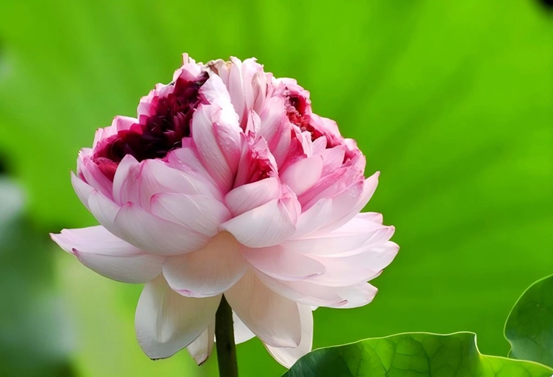
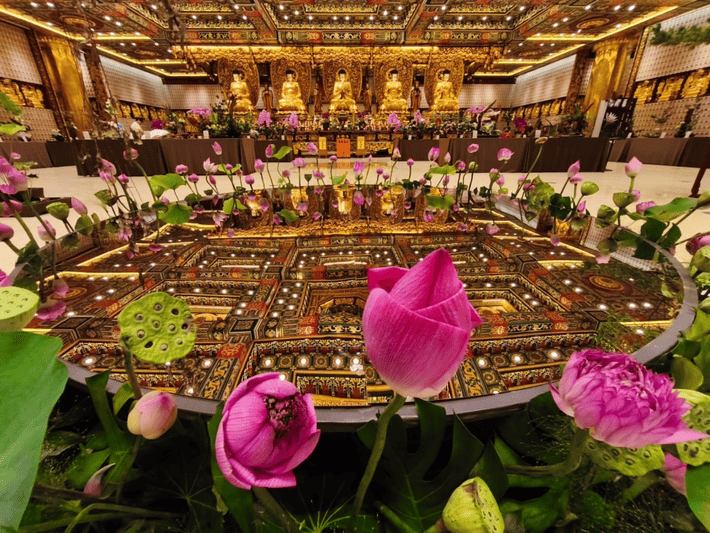
To celebrate the 28th anniversary of Hong Kong's return to China, the third Hong Kong Lotus Exhibition (2025) grandly opened at Po Lin Monastery. A rare and auspicious three-lobed lotus, hailed as a "one-in-a-hundred-million wonder of nature," blossomed spectacularly. With its three flowers on one stem, it presented a precious natural gift to commemorate Hong Kong's return.
According to horticultural experts, under natural growth conditions, the probability of a parallel-lobed lotus (two flowers on one stem) is only one in a hundred thousand, while the three-lobed lotus is a celestial blessing occurring once in a hundred million. Remarkably, this three-lobed lotus bloomed on July 1 — the very day of the handover anniversary. The lotus originated from Tinglin Garden in Kunshan, Suzhou. With the blessing of Venerable Qiufeng from Huazang Temple in Kunshan, nine Kunshan parallel-lobed lotuses traveled a great distance to settle at Po Lin Monastery in Hong Kong.
However, despite being named parallel-lobed lotuses, whether they would actually bloom as such remained uncertain. Delightfully, the nine Kunshan lotuses lived up to expectations, overcoming the challenges of relocation and days of wind and rain, eventually radiating their splendor by the fragrant harbor. On July 1, as the nation rejoiced, the Hong Kong Lotus Exhibition was bustling with visitors, filled with festive cheer. Miraculously, the three-lobed lotus seemed to bloom right on schedule. Its layered petals glowed like rosy clouds, with pink and white hues complementing each other, gracefully set against the lush green leaves. In front of the Grand Hall of Po Lin Monastery, crowds of lotus admirers gathered, raising their phones to capture this exceedingly rare natural marvel, witnessing a touching moment that blended natural wonder with celebratory grandeur.
Group A: Flowers
Ranking
Winners
Theme
Theme
Winner
王志剛
蓮影
蓮影
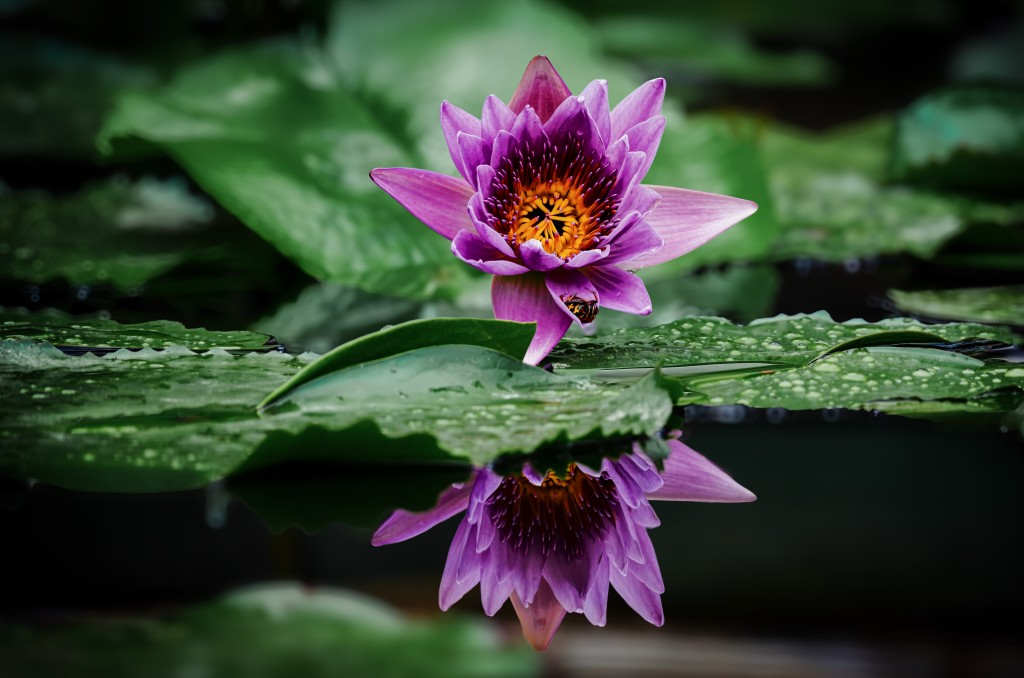
1st Runner-up
陳潔冰
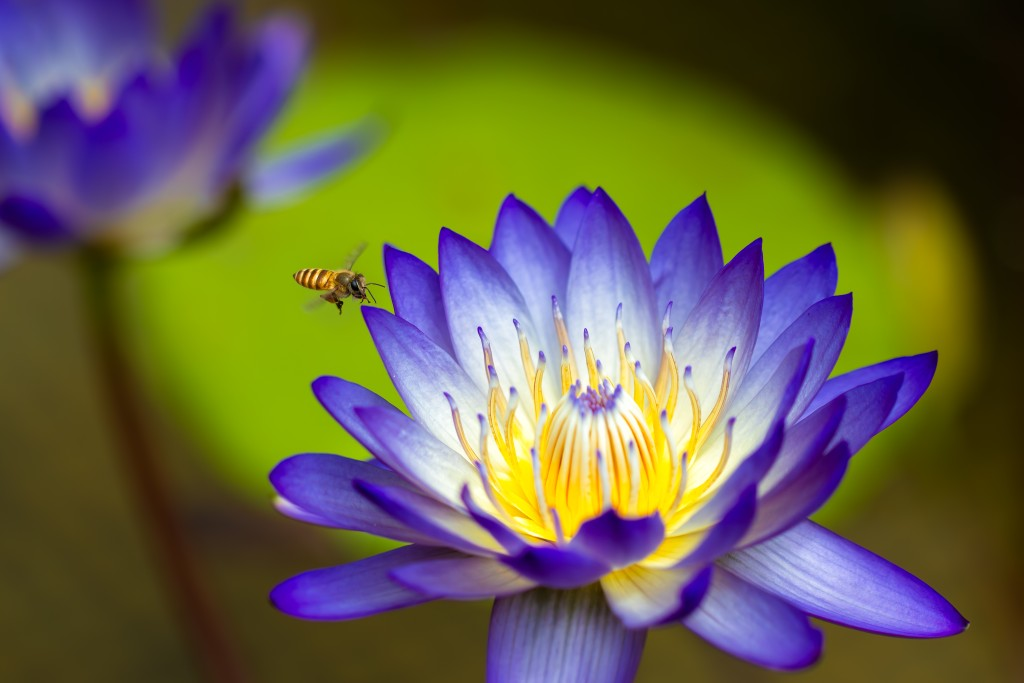
蜂舞蓮香
蜂舞蓮香
2nd Runner-up
羅麗芳
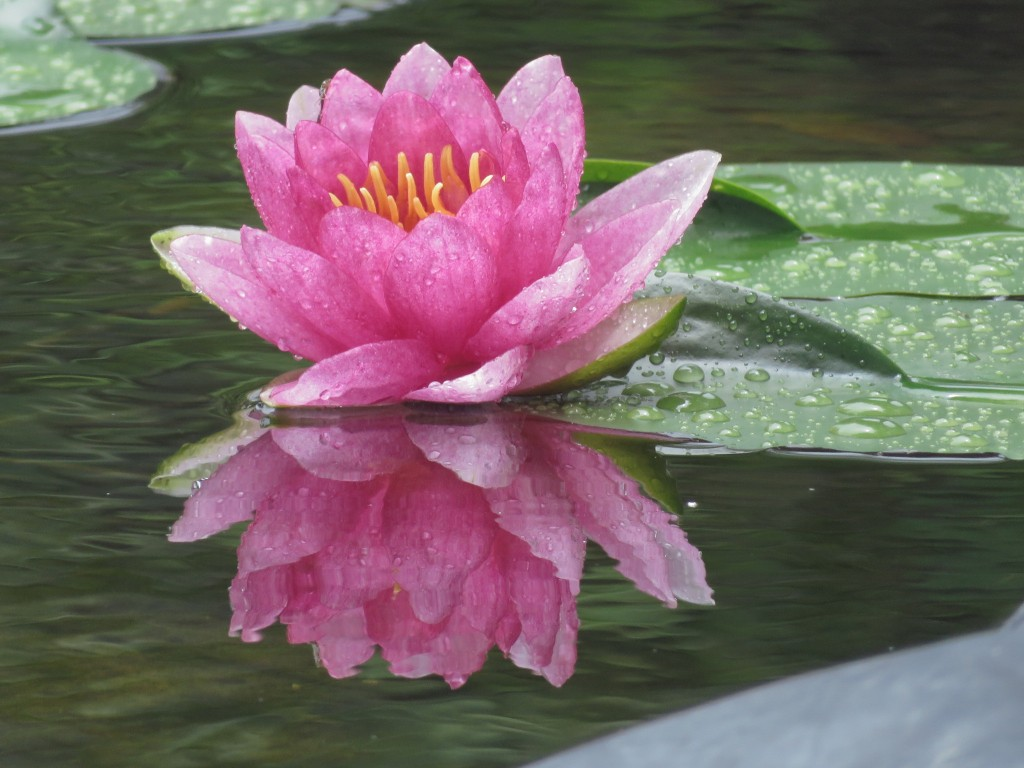
雨中蓮
雨中蓮
Merit (in no particular order)
楊桂良
寶蓮禪寺荷展映日紅
寶蓮禪寺荷展映日紅
歐陽漢森
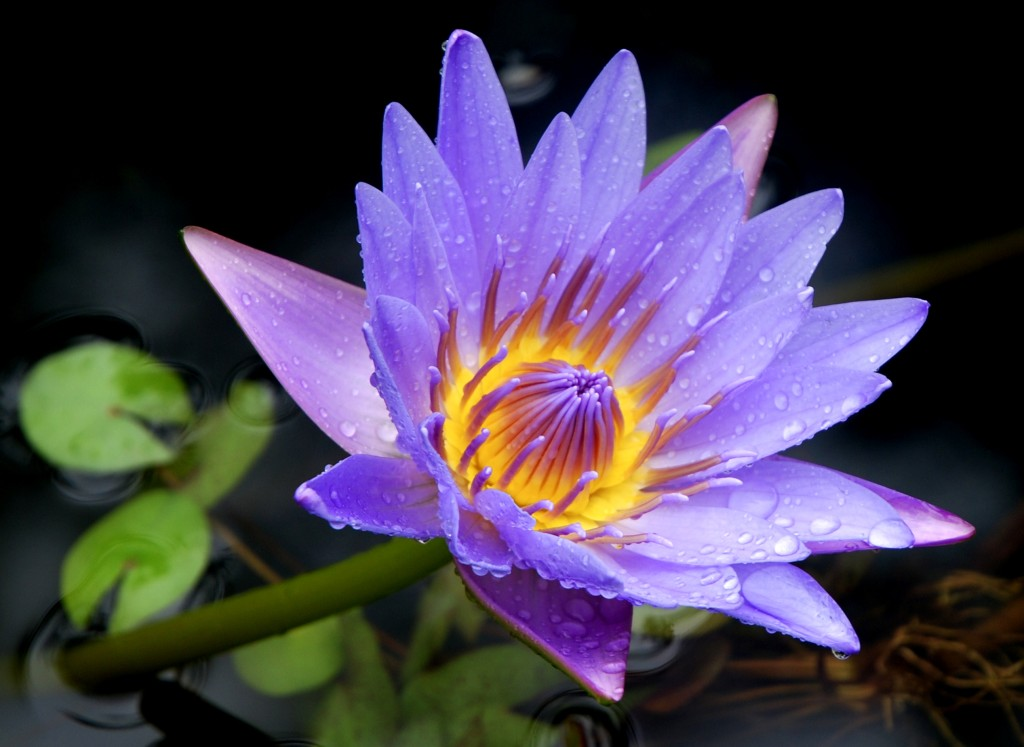
美艷的睡蓮
美艷的睡蓮
源純
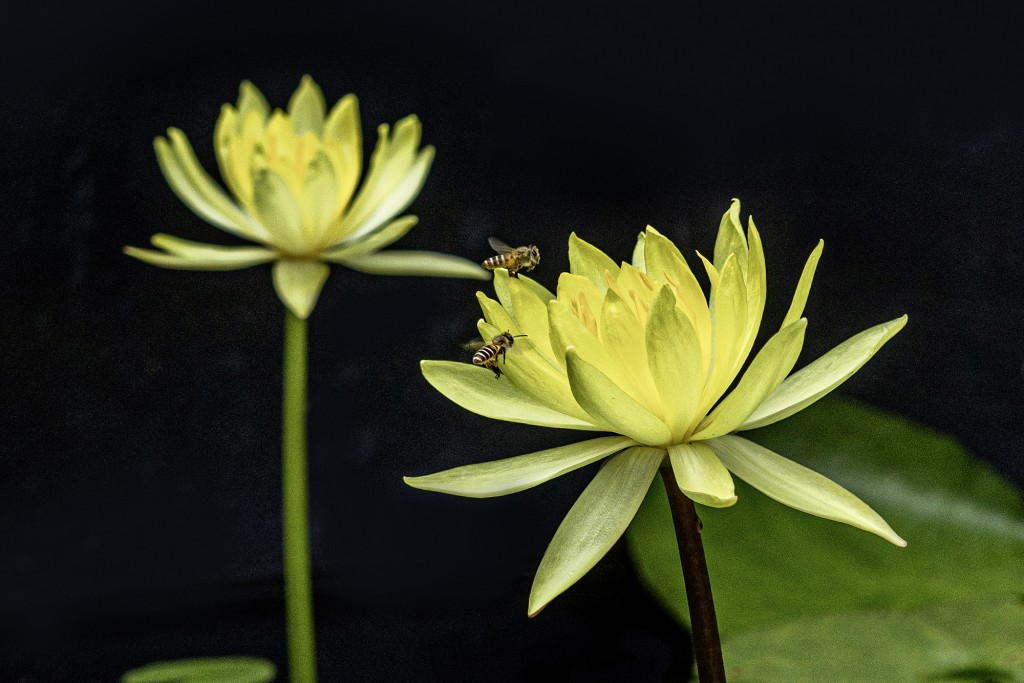
黃精靈
黃精靈

何健樹
睡蓮與小蜜蜂
睡蓮與小蜜蜂

麥淑芳
心花露放
心花露放

李英華
施壓群芳
施壓群芳
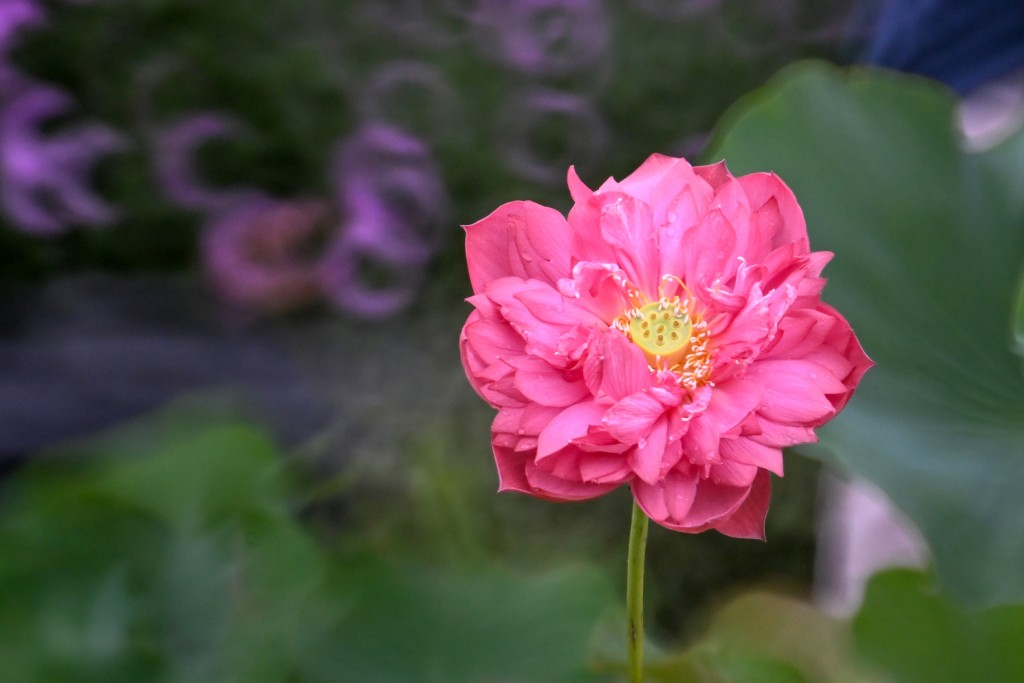
蔡惠霞
睡蓮之美
睡蓮之美
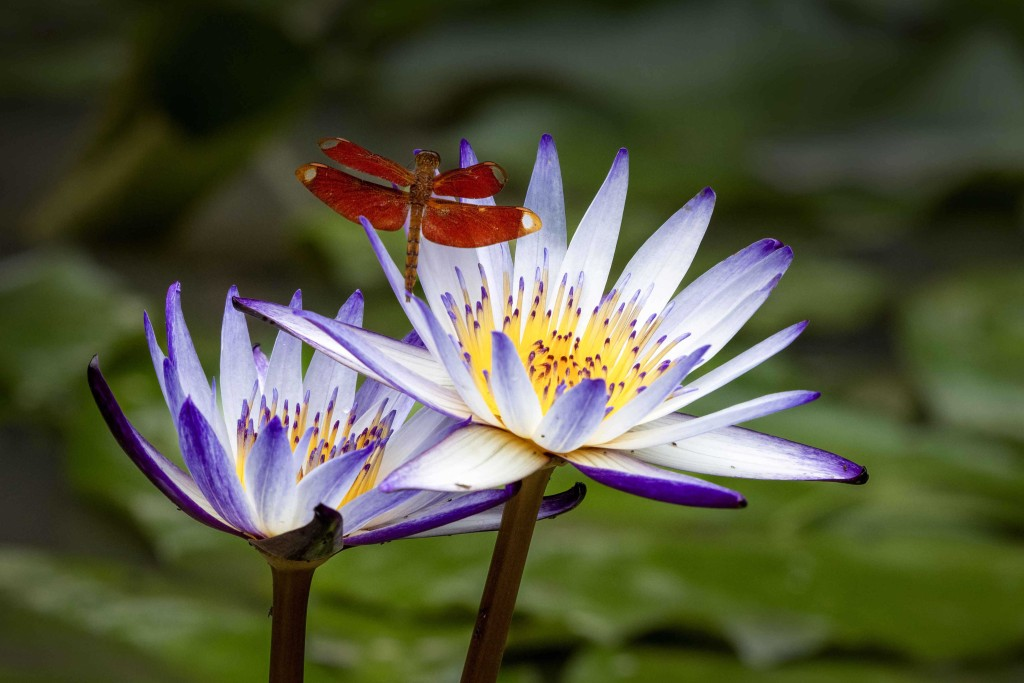
羅麗芳
淡紫睡蓮
淡紫睡蓮
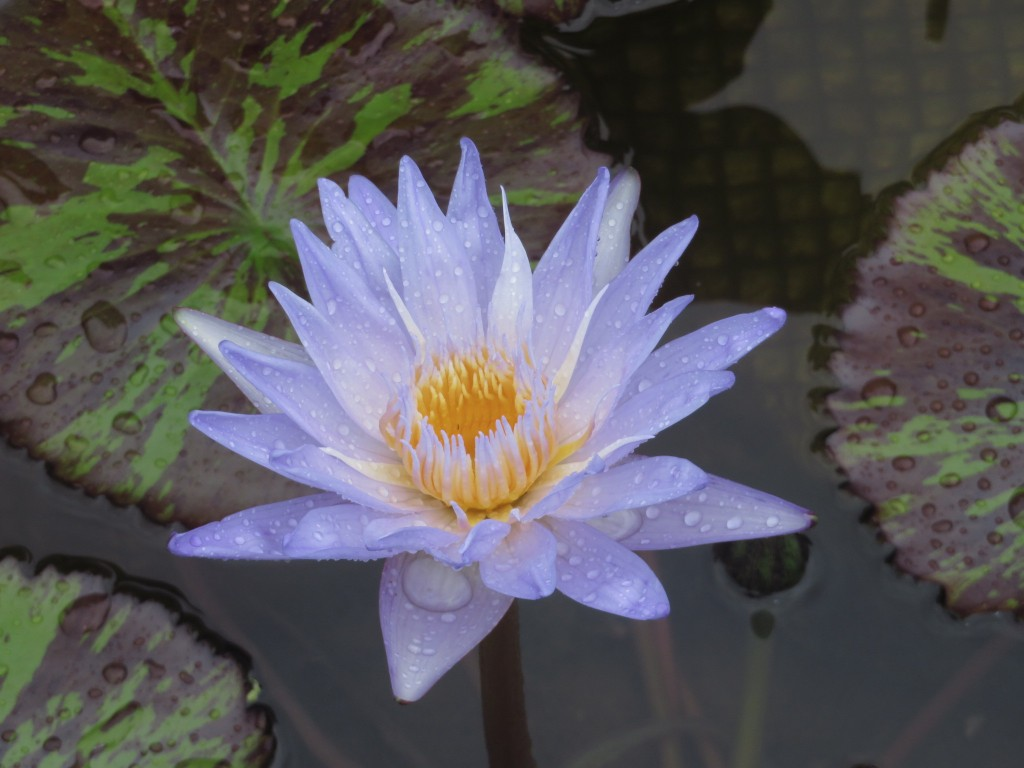
張悅美
荷花照片
荷花照片
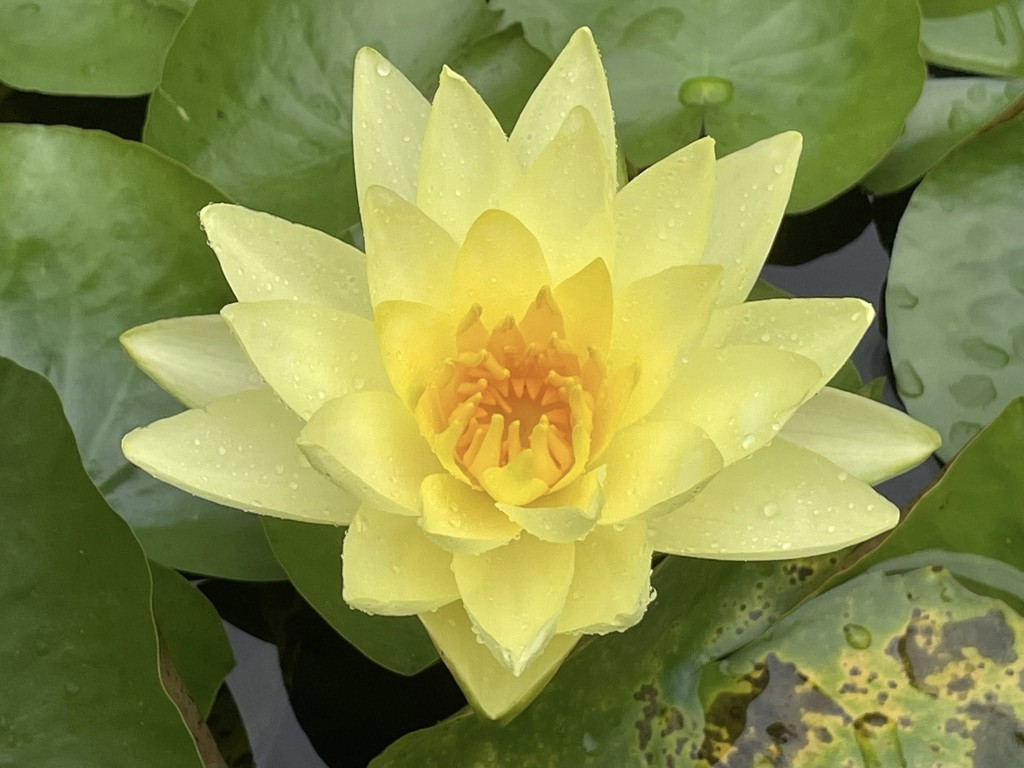
鄺煒利
睡蓮爭奇鬥艷
睡蓮爭奇鬥艷
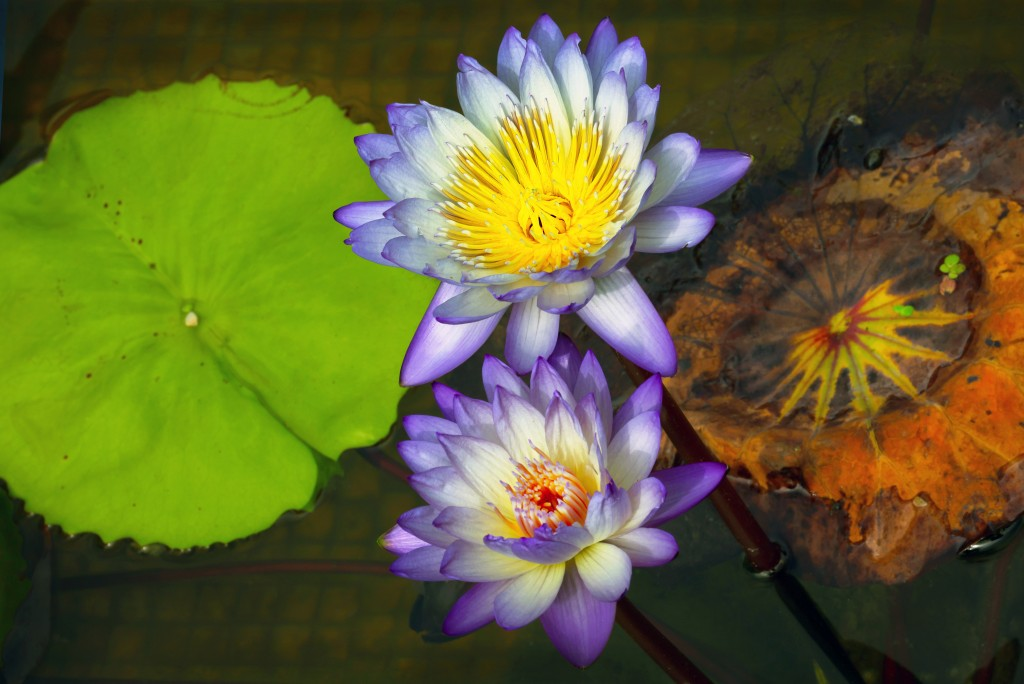
許俊軒
如夢似幻
如夢似幻

鍾焯駒
寶蓮燈
寶蓮燈
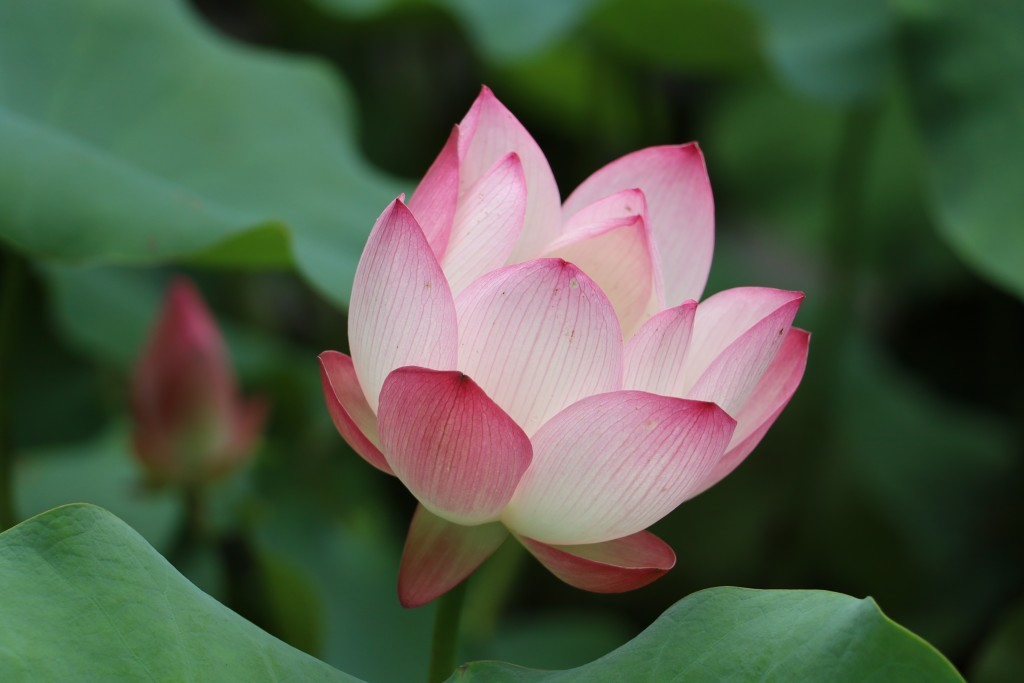
鄭進徳
一蓮一世界
一蓮一世界
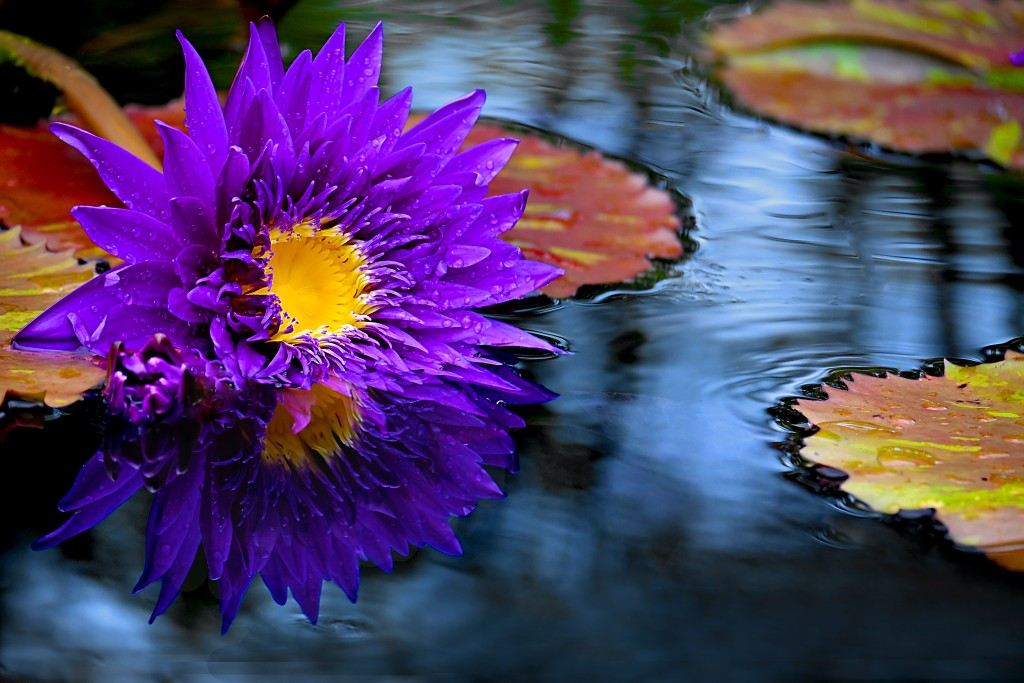
蘇素寒
亭亭玉立
亭亭玉立
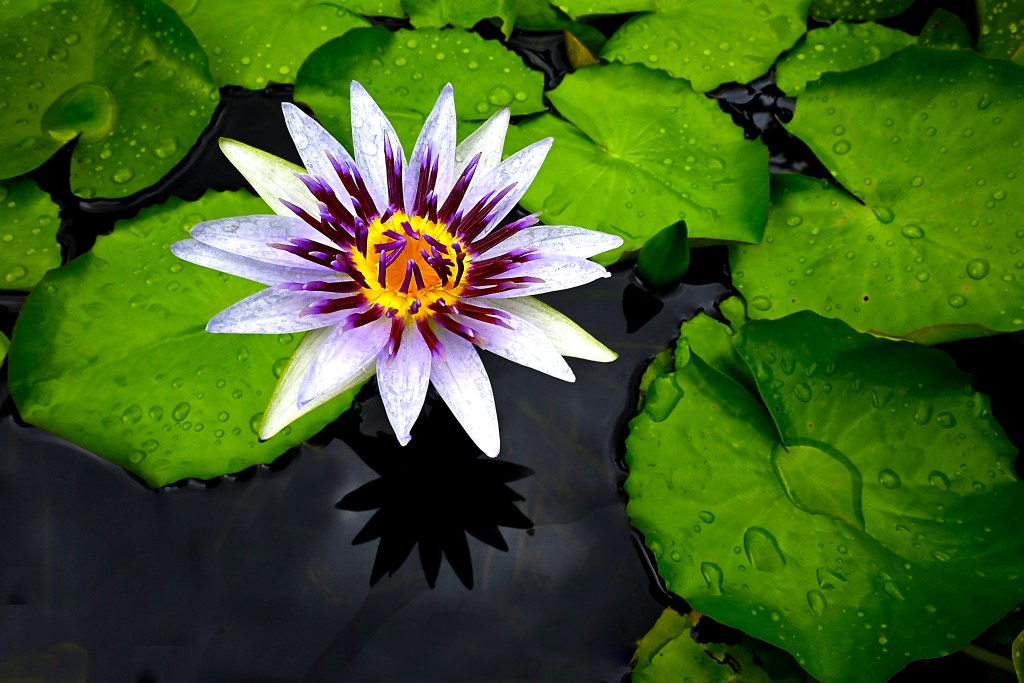
鍾得雲
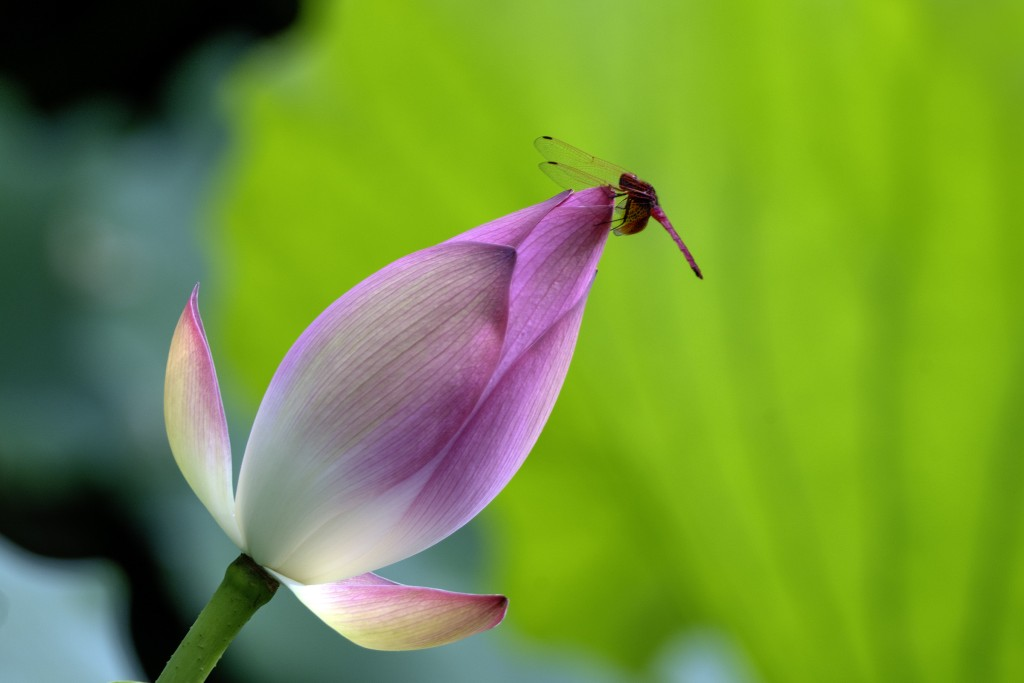
蜻蜓上荷圖
蜻蜓上荷圖
袁啟昌
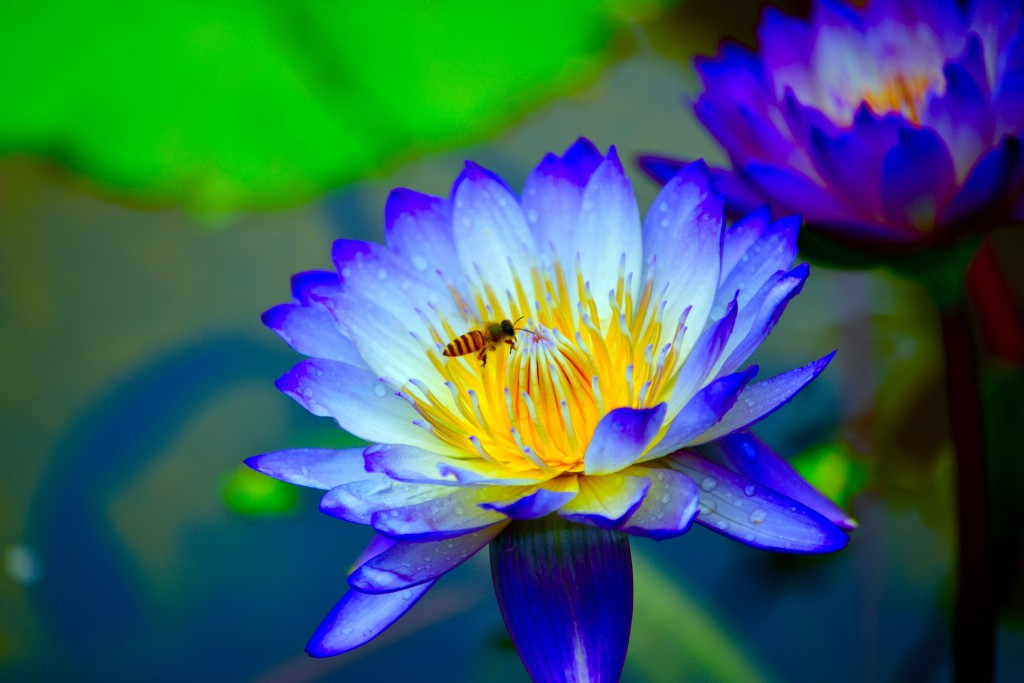
蜂花說悅
蜂花說悅
司徒淑芳
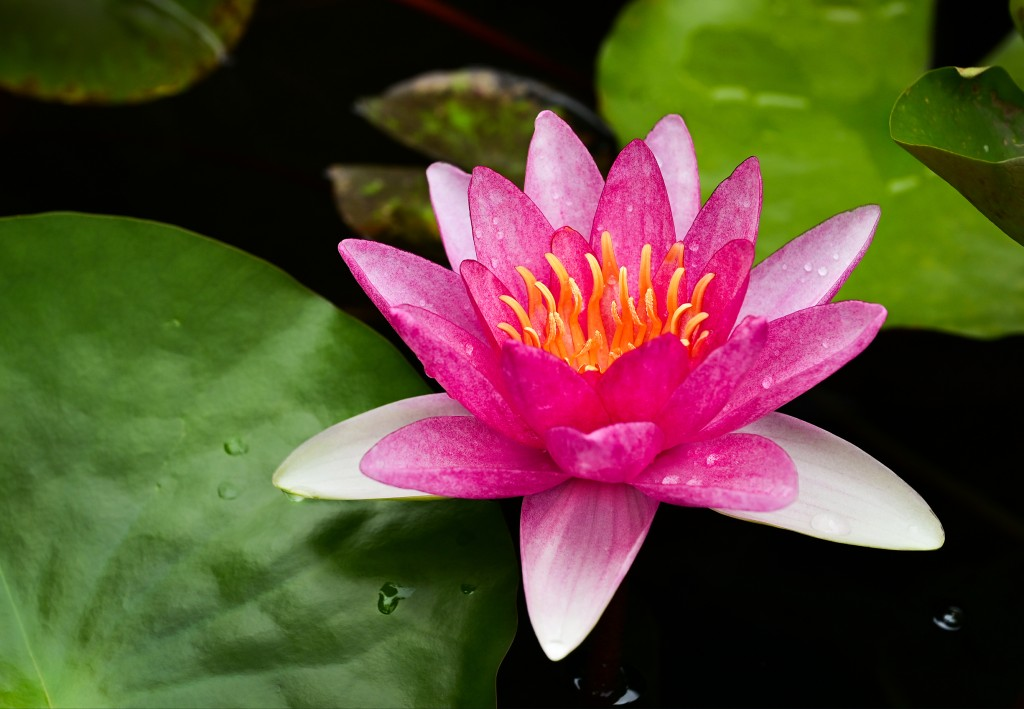
淨滌芃心
淨滌芃心

李月霞
為荷而來
為荷而來

周澔琛
睡蓮水中影
睡蓮水中影

陳美儀
寶蓮心開結善緣
寶蓮心開結善緣
Group B: Snapshots
Ranking
Winners
Theme
Theme
Winner
李永能
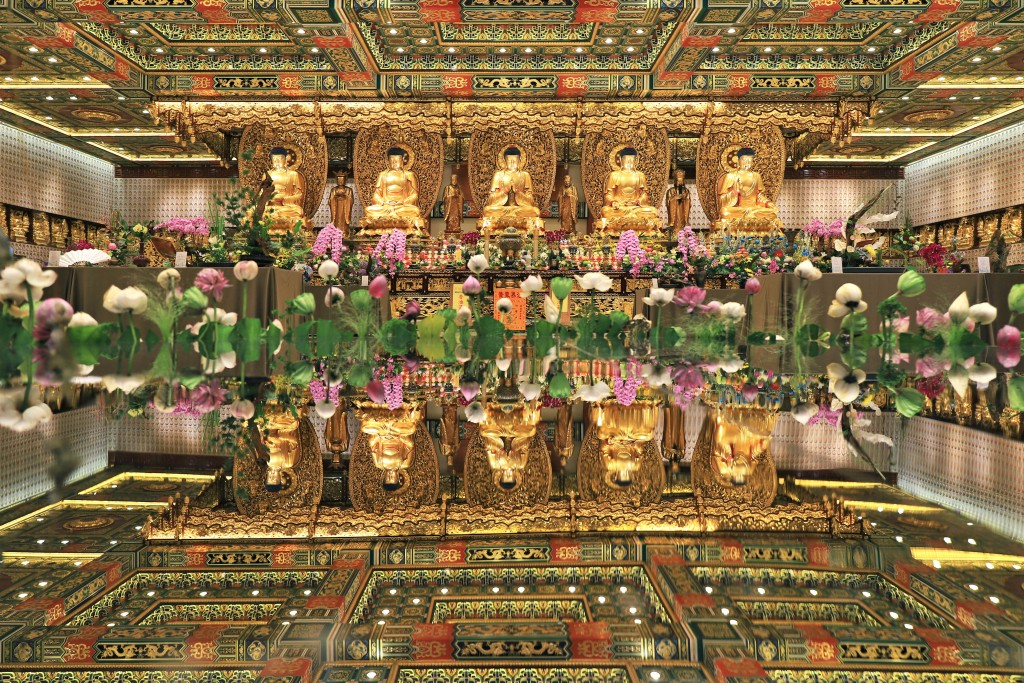
心鏡如明
心鏡如明
1st Runner-up
黃以立
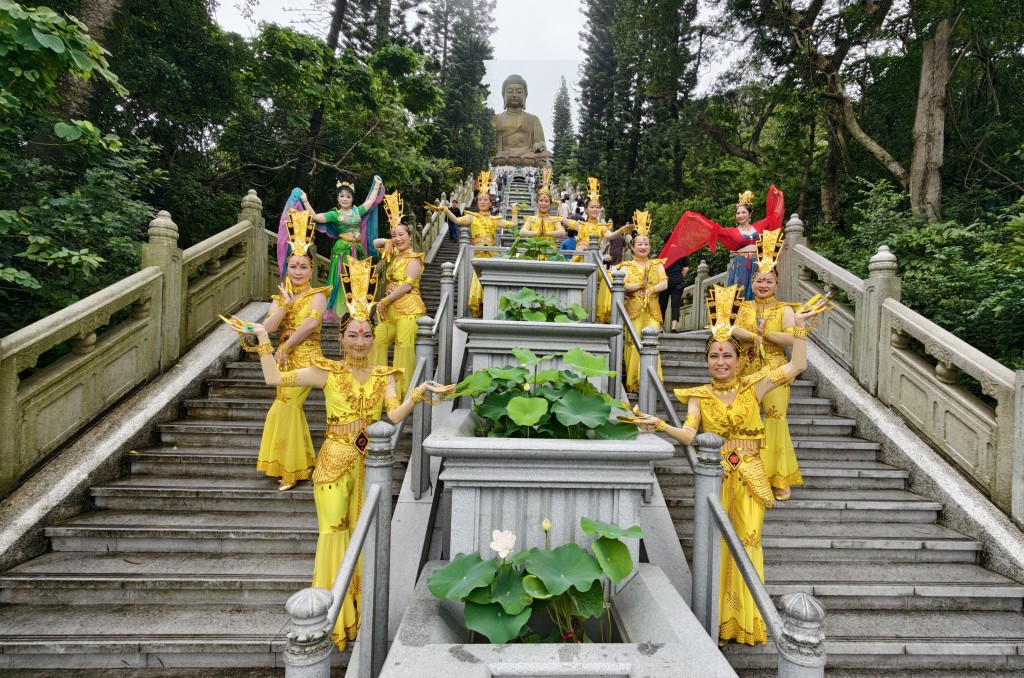
香港 敦煌千手觀音舞蹈藝術團 表演後 合照
香港 敦煌千手觀音舞蹈藝術團 表演後 合照
2nd Runner-up
胡薇謹
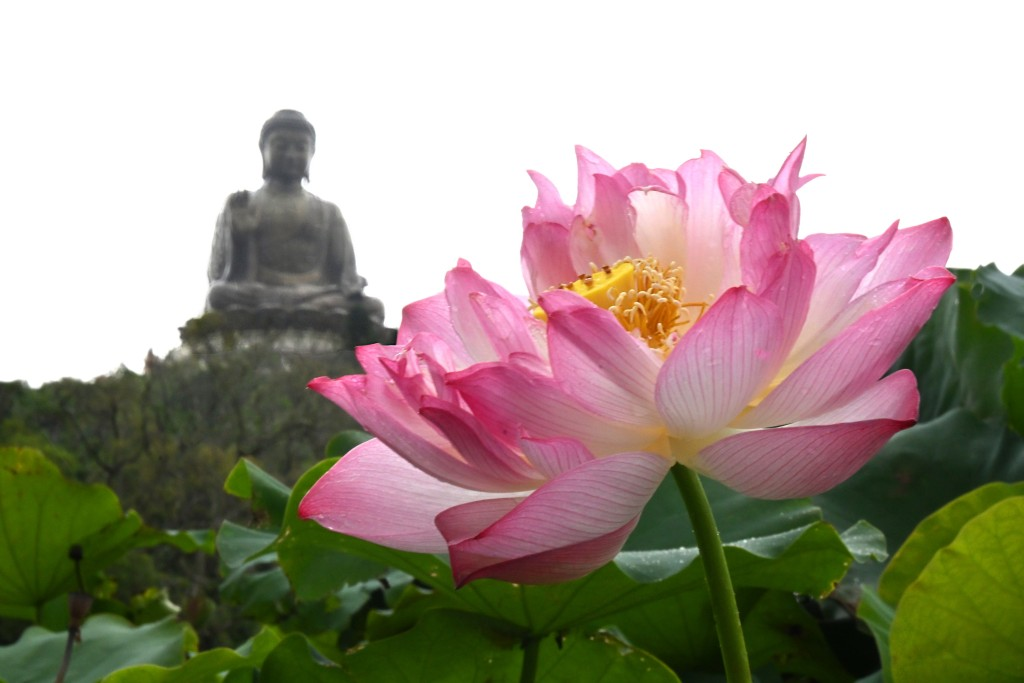
荷影映佛
荷影映佛
Merit (in no particular order)
彭劍生
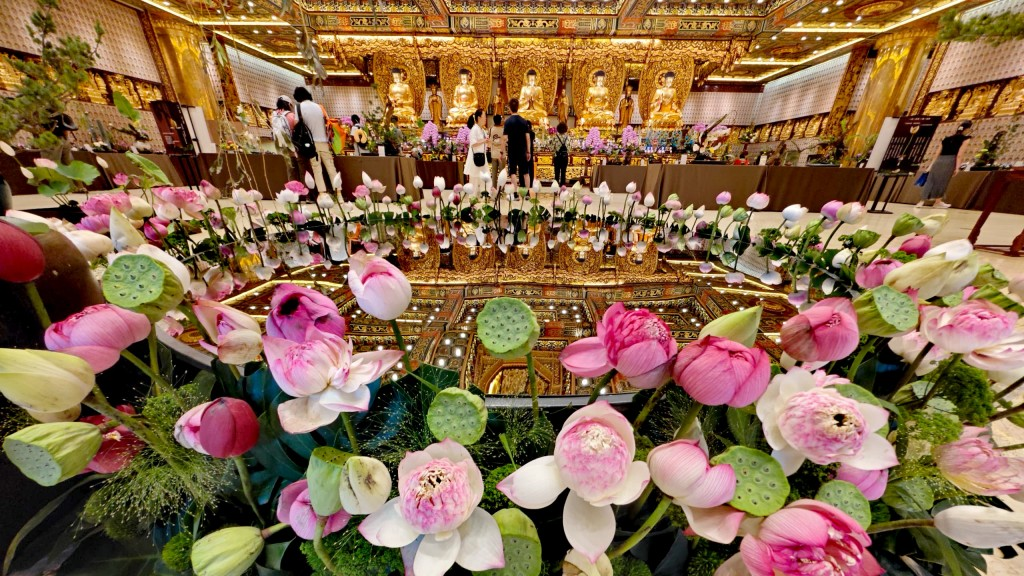
佛殿盛景
佛殿盛景
梁偉富
一佛一法相;一蓮一世界
一佛一法相;一蓮一世界

鄭鍾榮
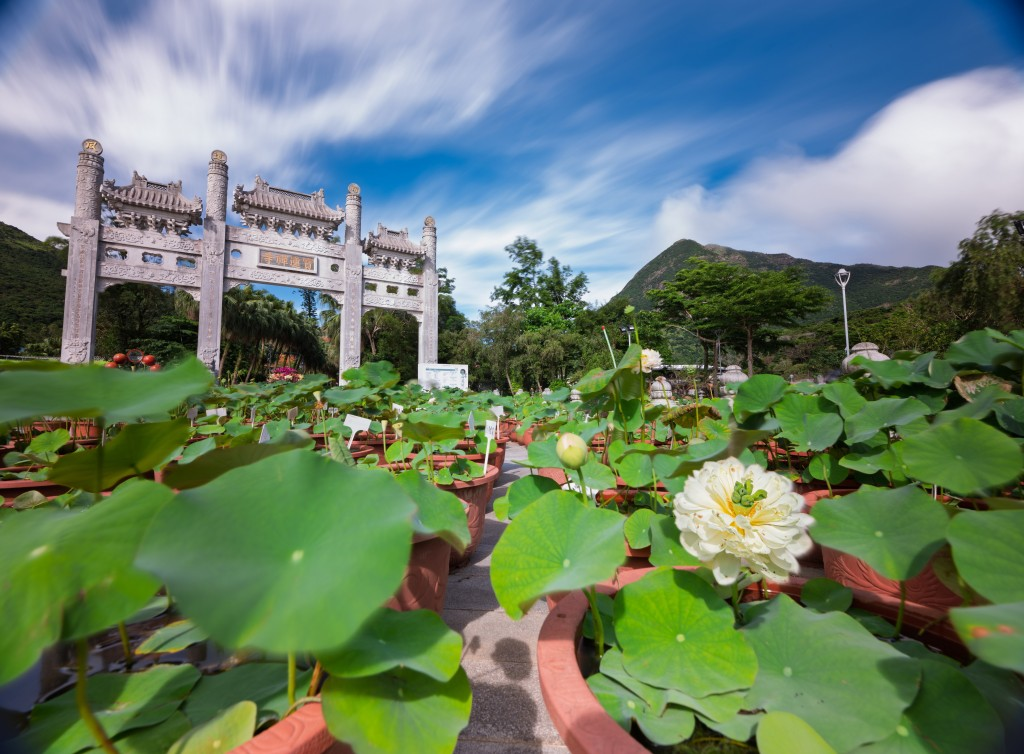
風中白荷
風中白荷
李國亮
翠荷伴青天,世間樂融融。
翠荷伴青天,世間樂融融。
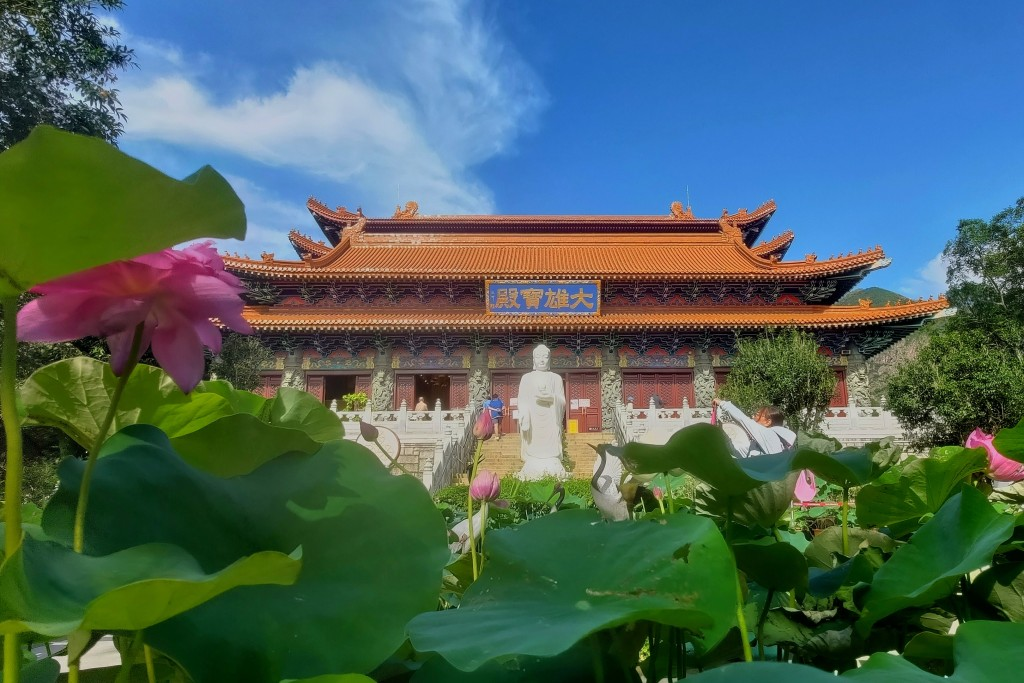
蔡慧晶
美艷動人
美艷動人
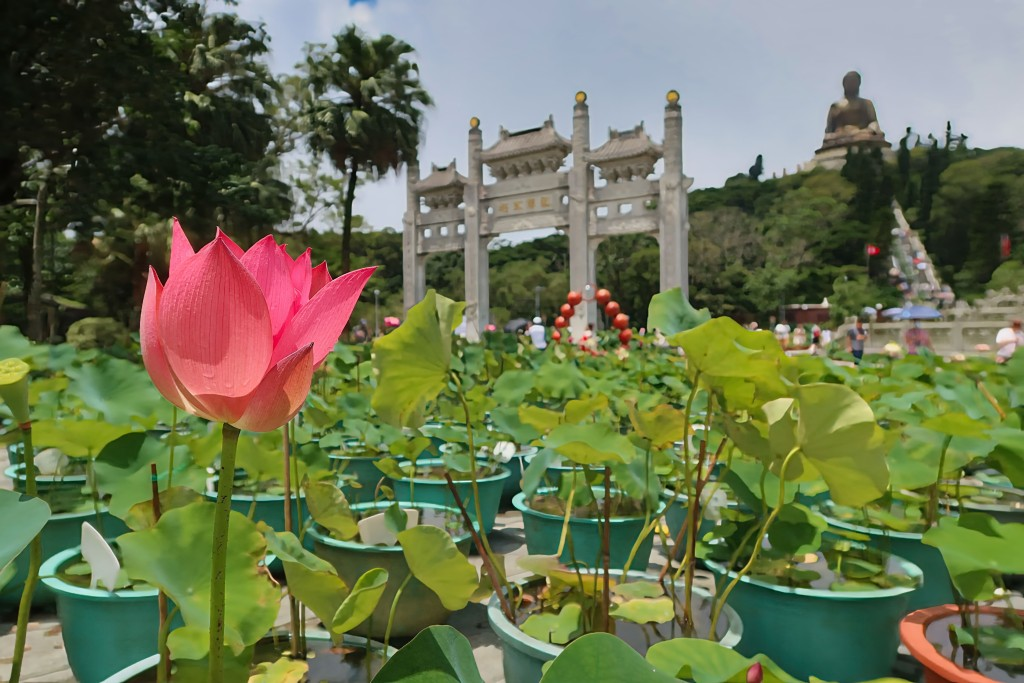
楊華興
與眾同樂
與眾同樂
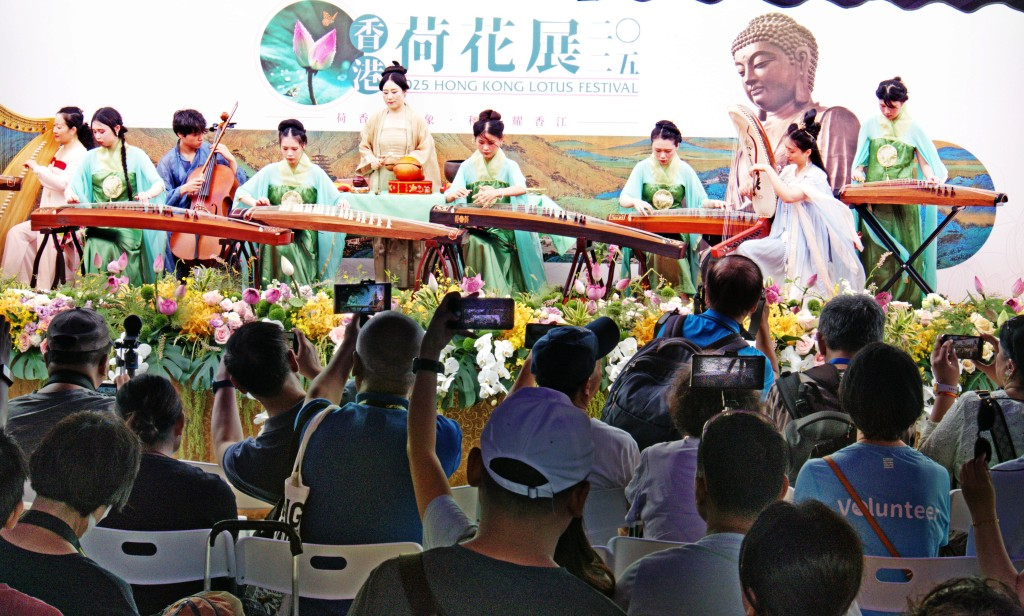
梁炳燕
夏日佛光照荷池
夏日佛光照荷池

鄺沛衡
向花打招呼
向花打招呼

蘇素寒
荷香融萬象,和合耀香江。
荷香融萬象,和合耀香江。
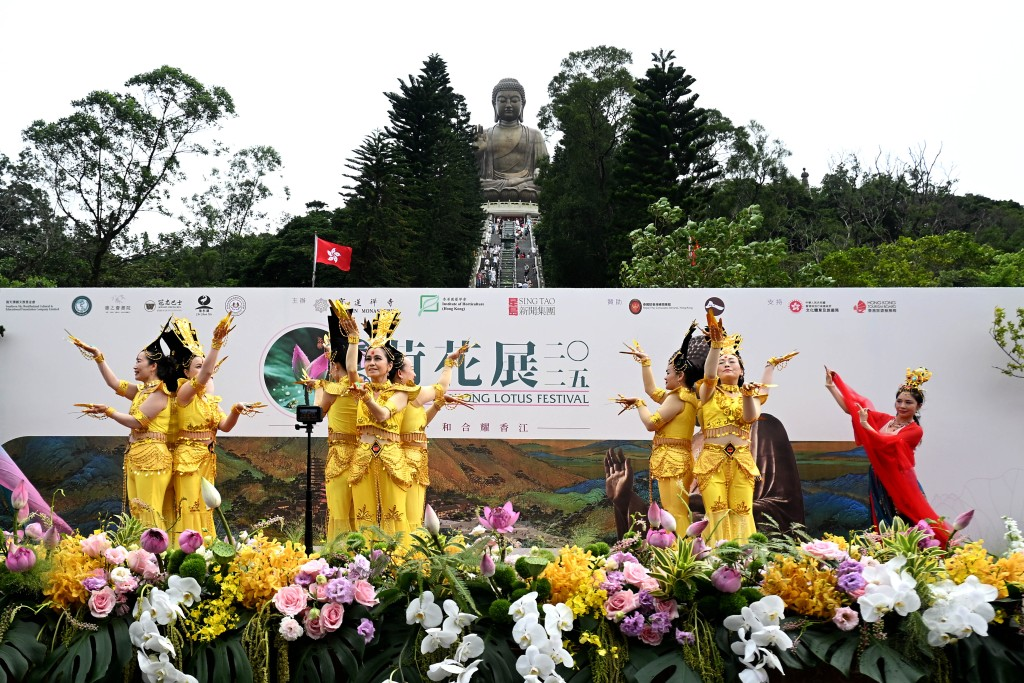
麥榮華
佛影鏡花
佛影鏡花
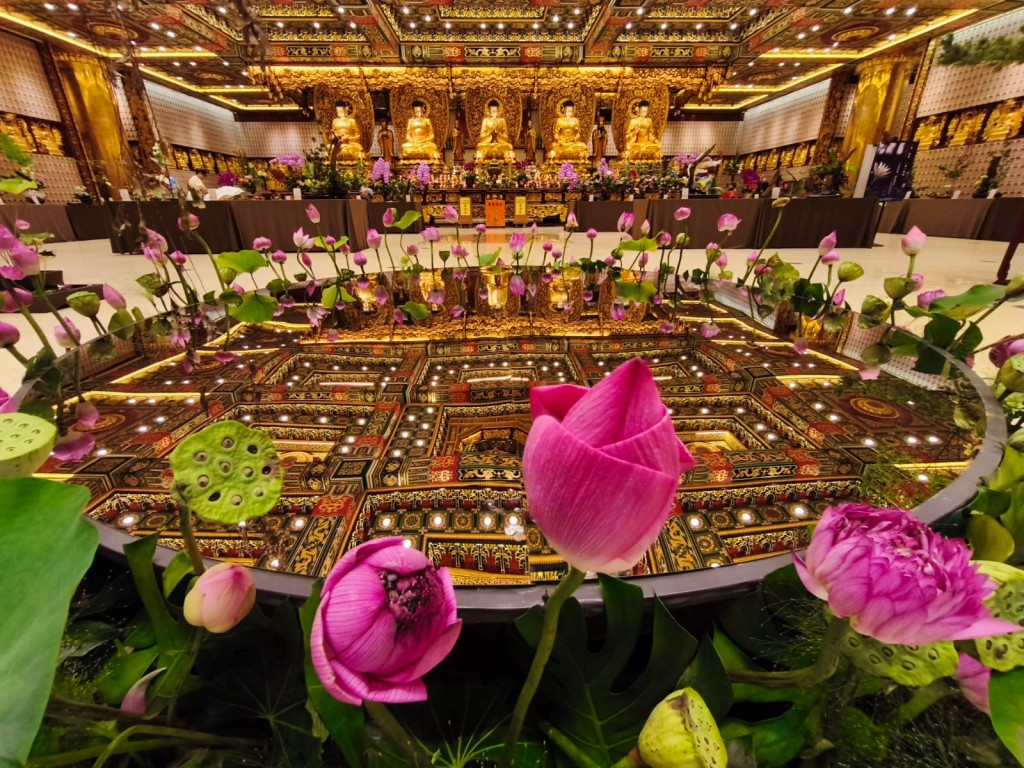
Group A: Flowers
Ranking
Winners
Theme
Theme
Winner
嚴鎮波
睡蓮的吸引力
睡蓮的吸引力
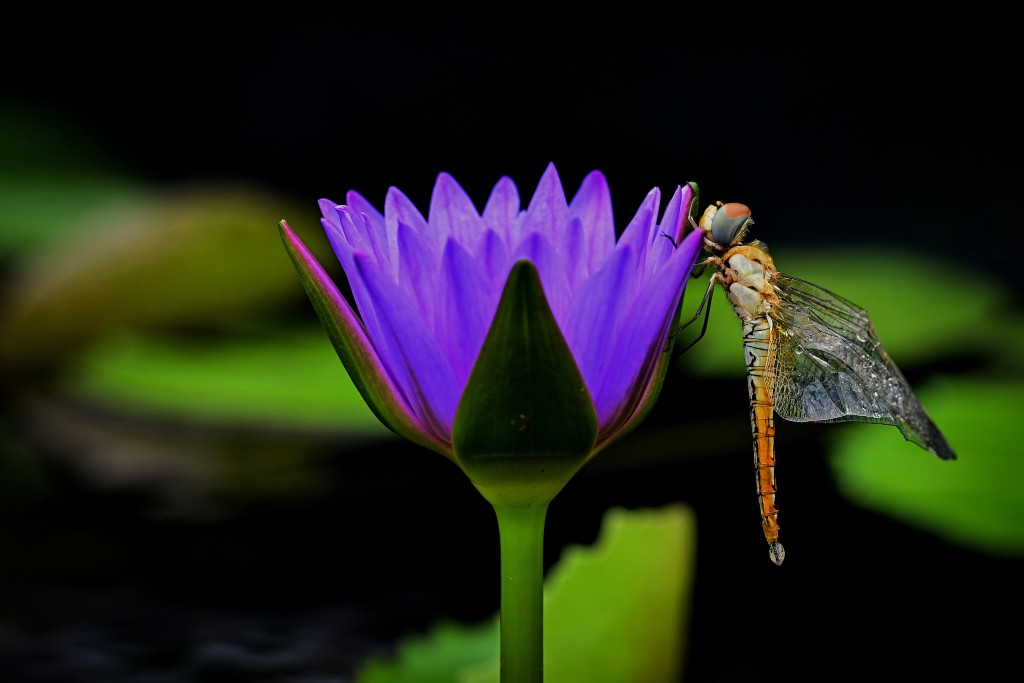
1st Runner-up
張偉權
睡蓮之美
睡蓮之美
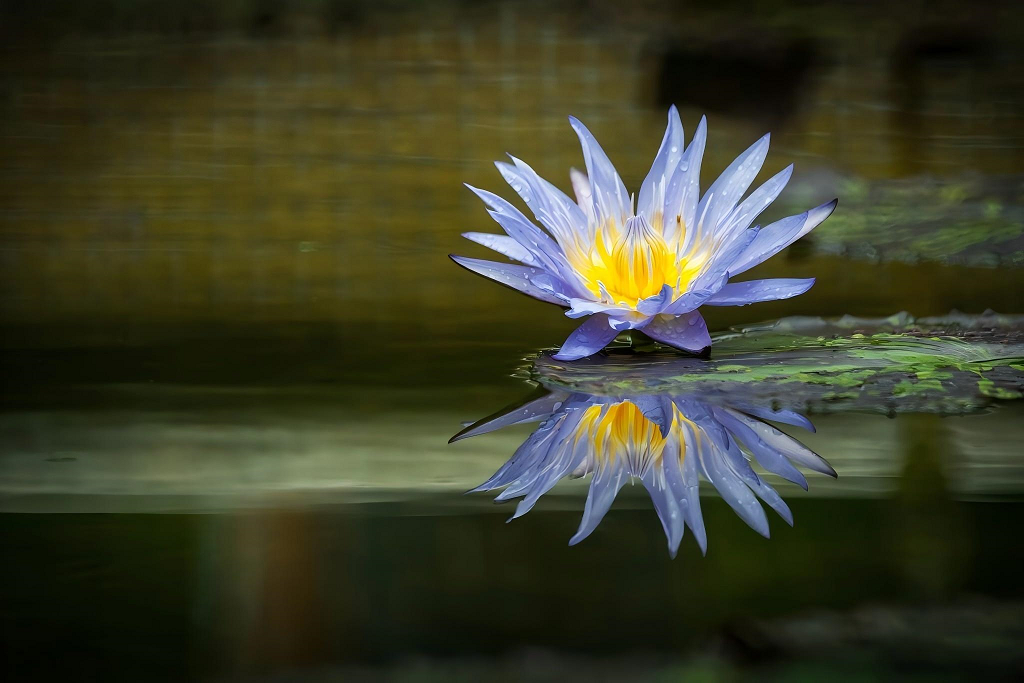
2nd Runner-up
劉思均
耳鬢廝磨
耳鬢廝磨
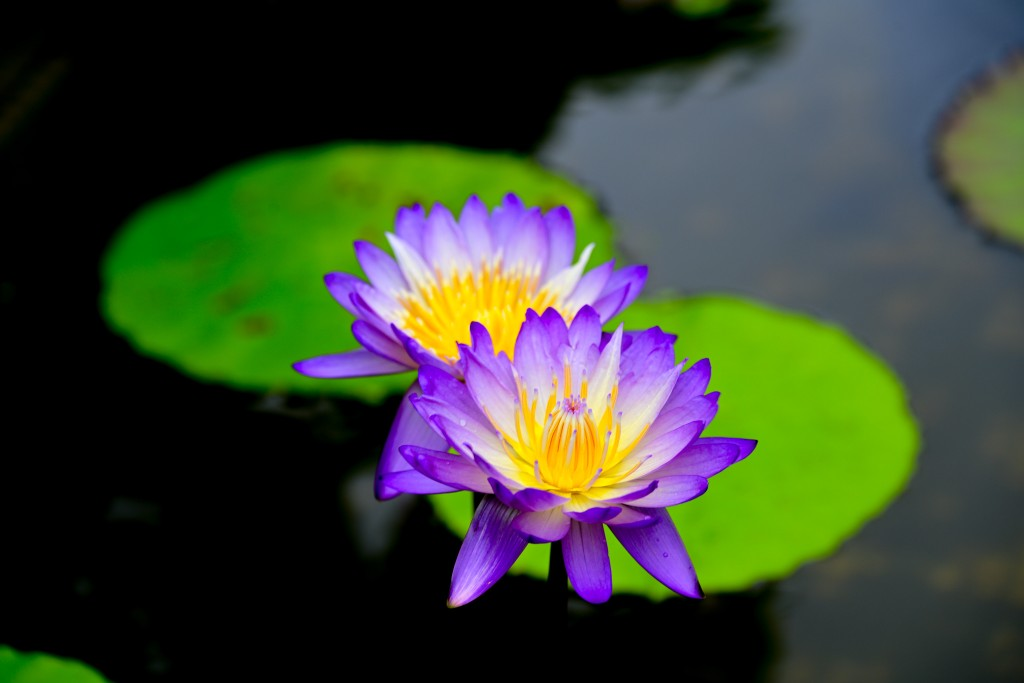
Merit (in no particular order)
黃文傑
花仙子
花仙子
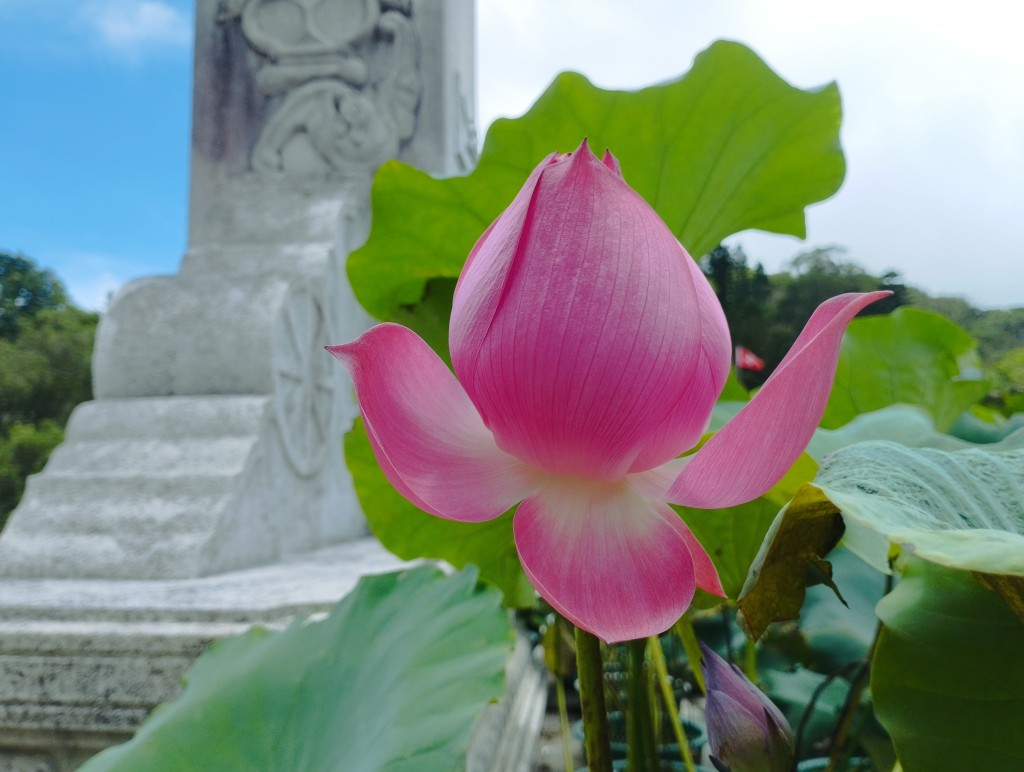
尤祖吉
含苞待放
含苞待放
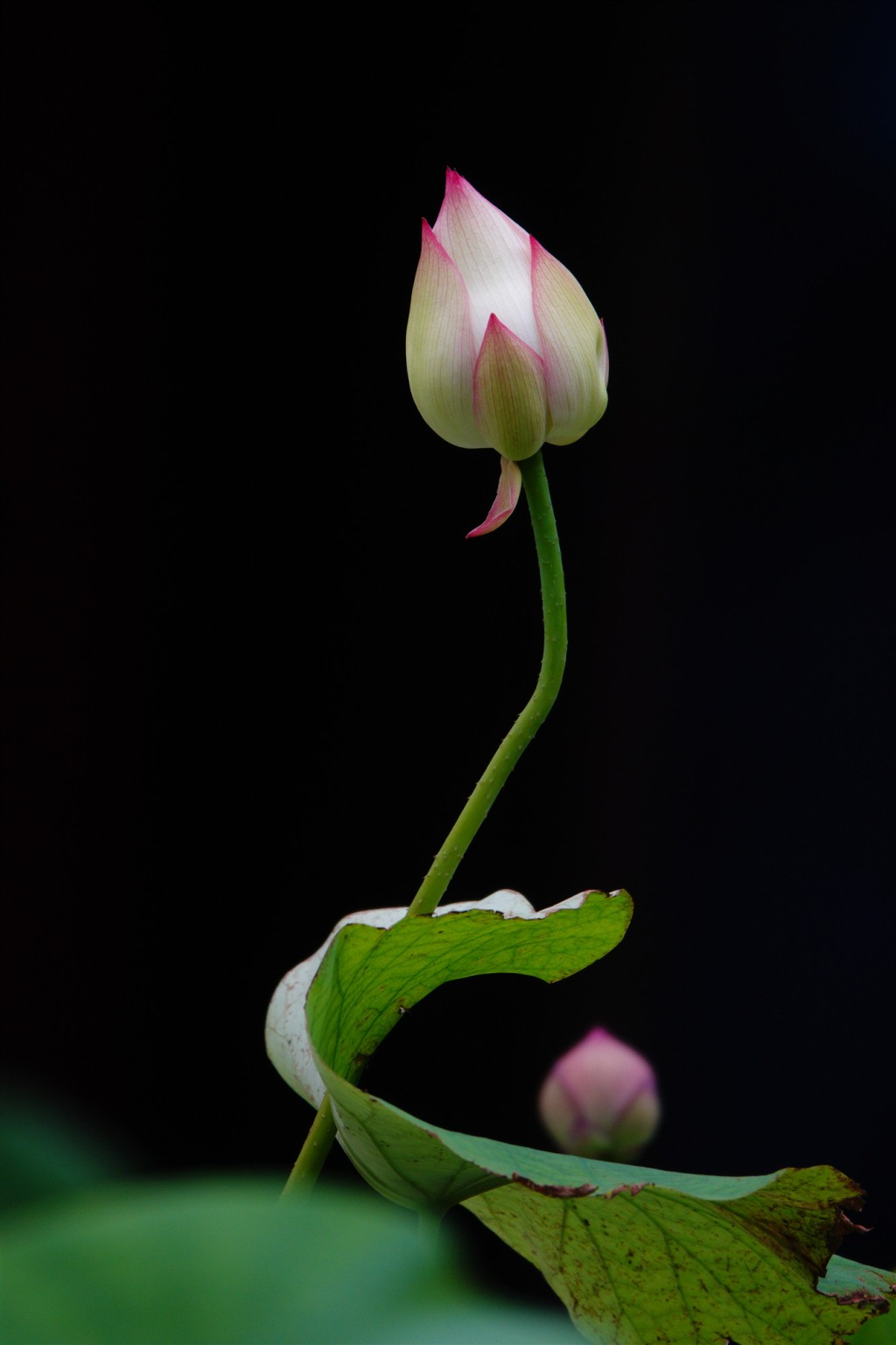
黃俊威
荷花兩母子
荷花兩母子
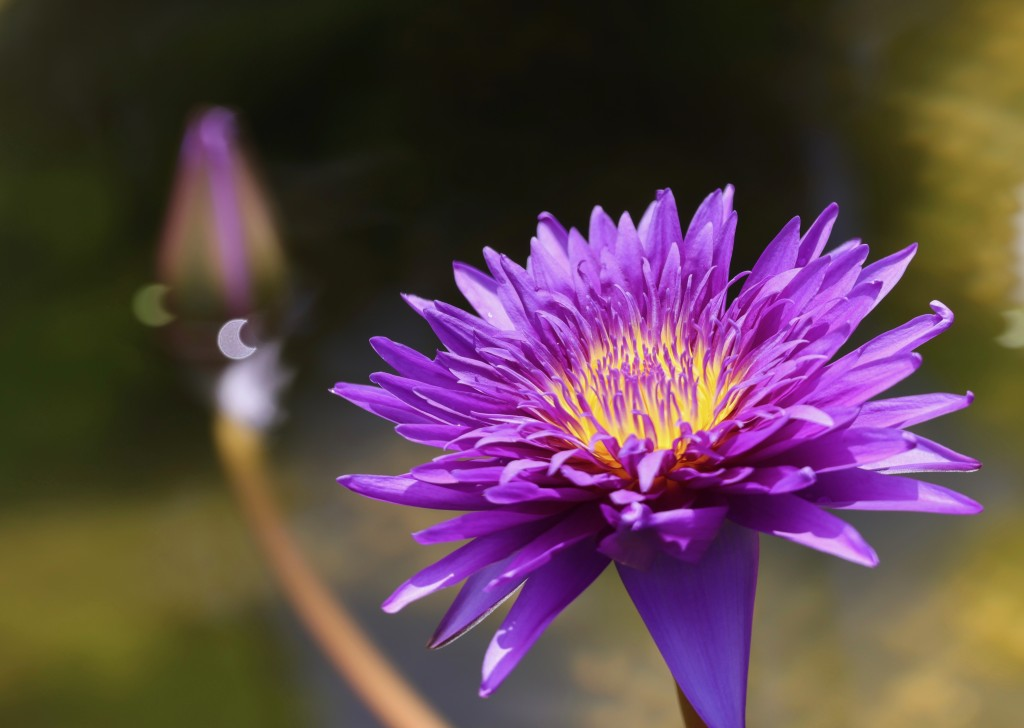
馬倩瑜
亭亭玉立的荷花
亭亭玉立的荷花
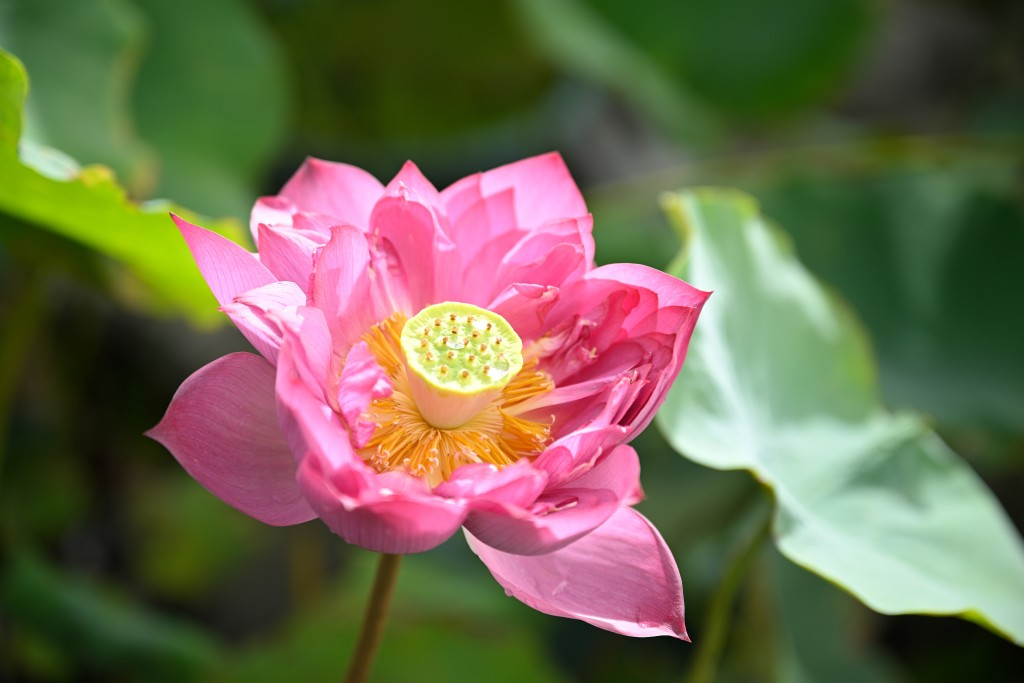
黃錦暉
睡蓮盛放•相互祝福
睡蓮盛放•相互祝福
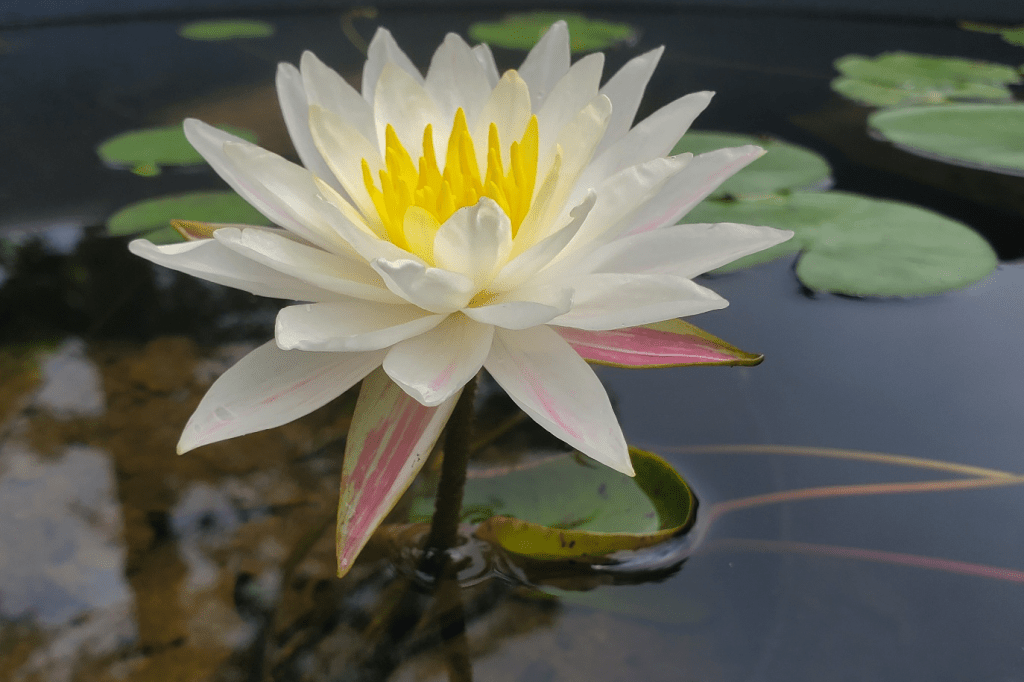
Chau Siu wai
荷上的風彩
荷上的風彩
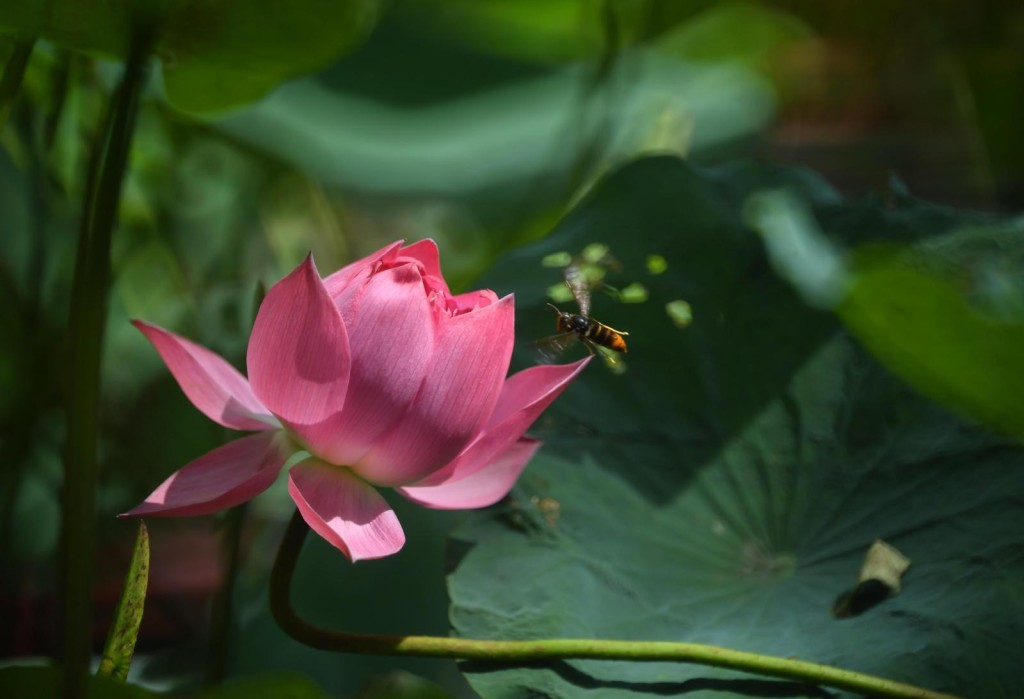
周志成
荷的姿態
荷的姿態
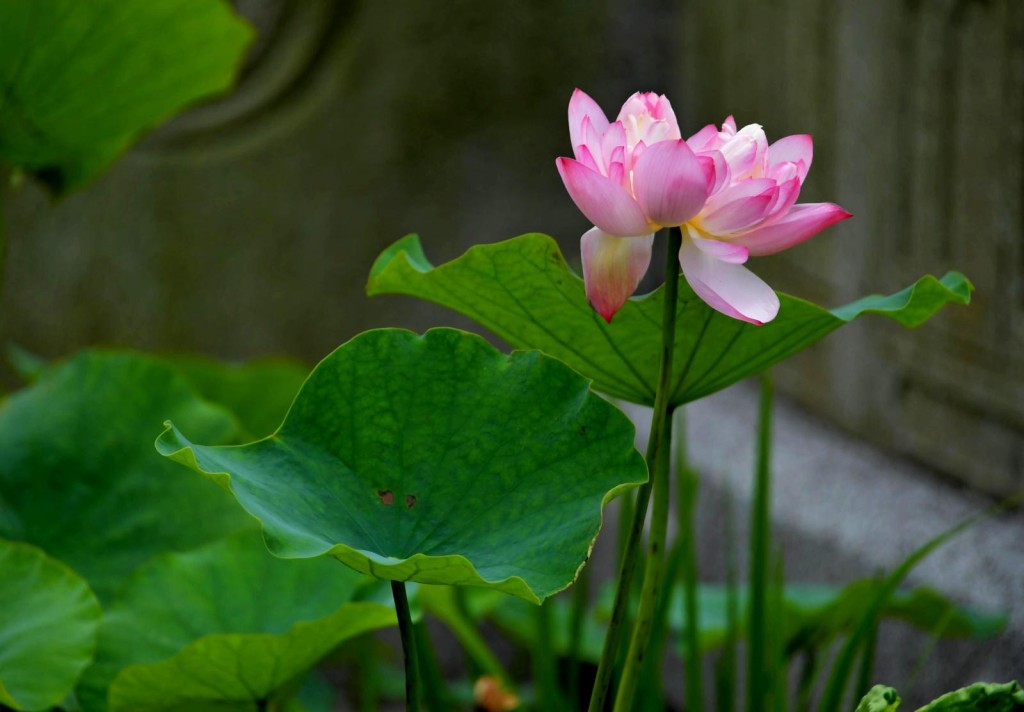
麥淑芳
顧影淨蓮
顧影淨蓮
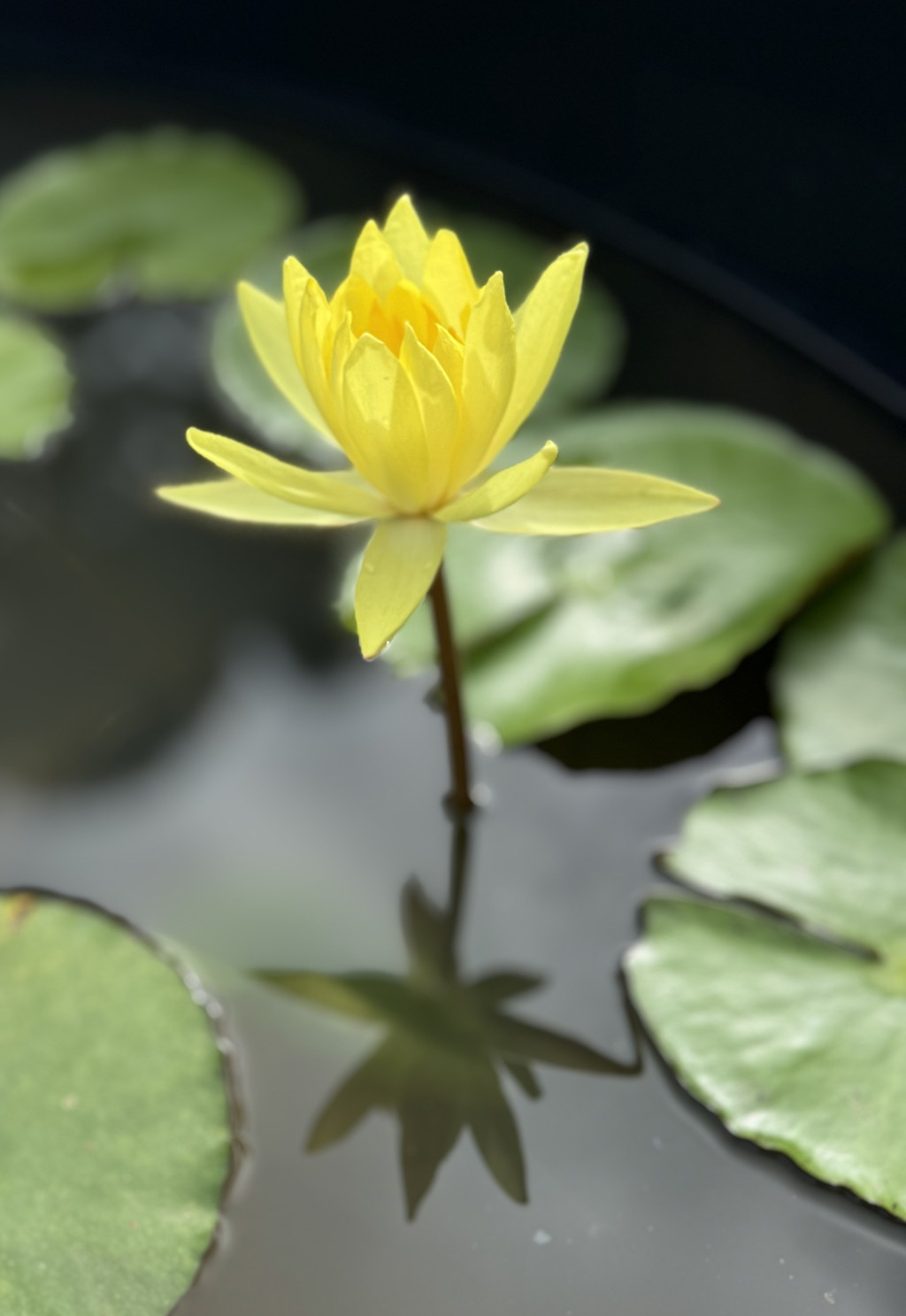
劉天然
古韻白荷
古韻白荷
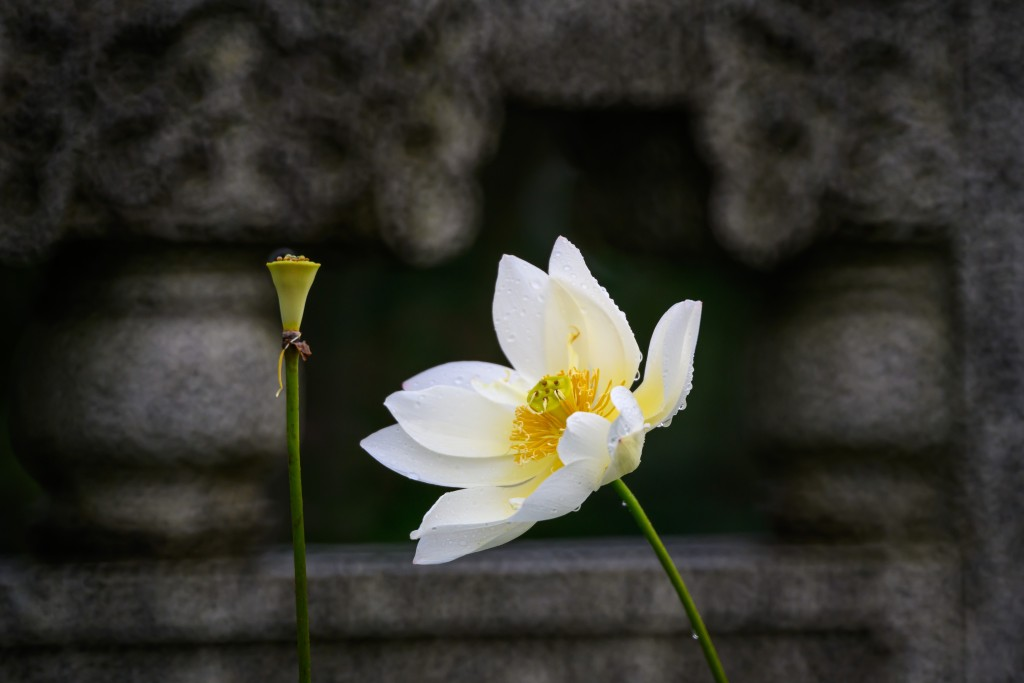
陳穎心
荷花燈
荷花燈
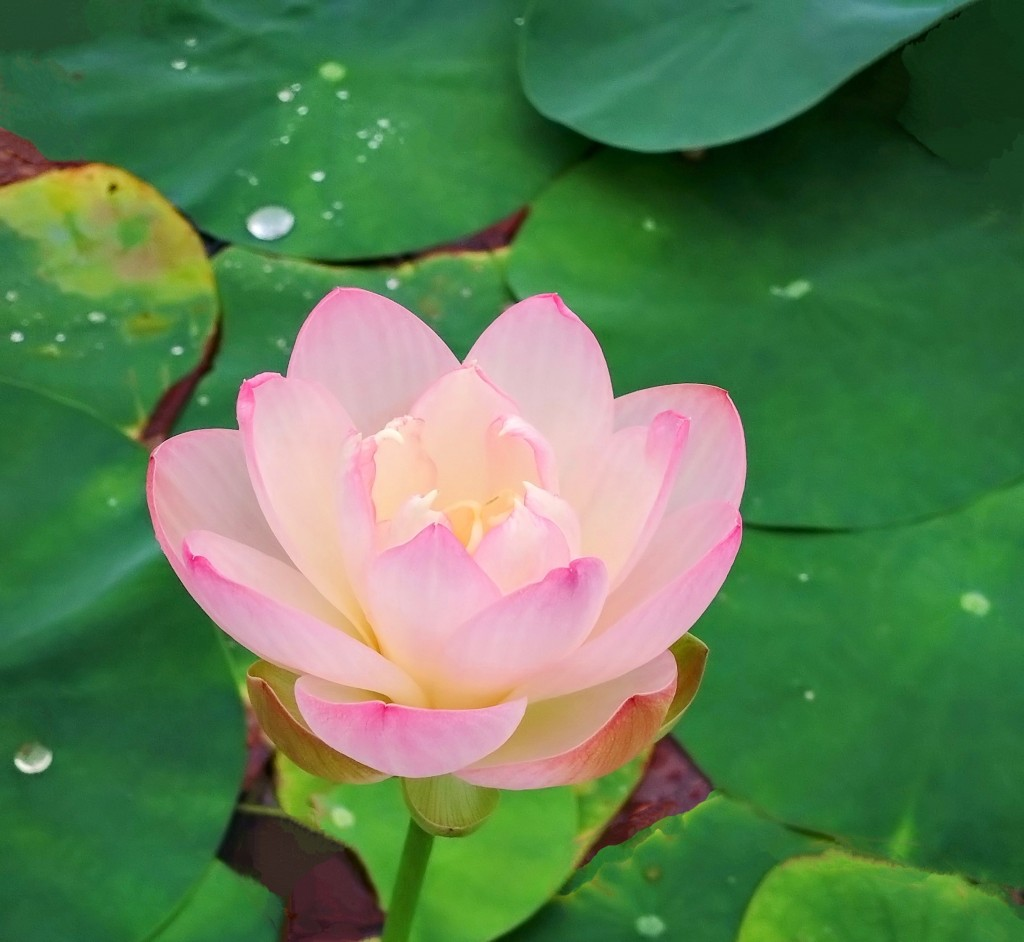
陳潔冰
紫睡蓮
紫睡蓮
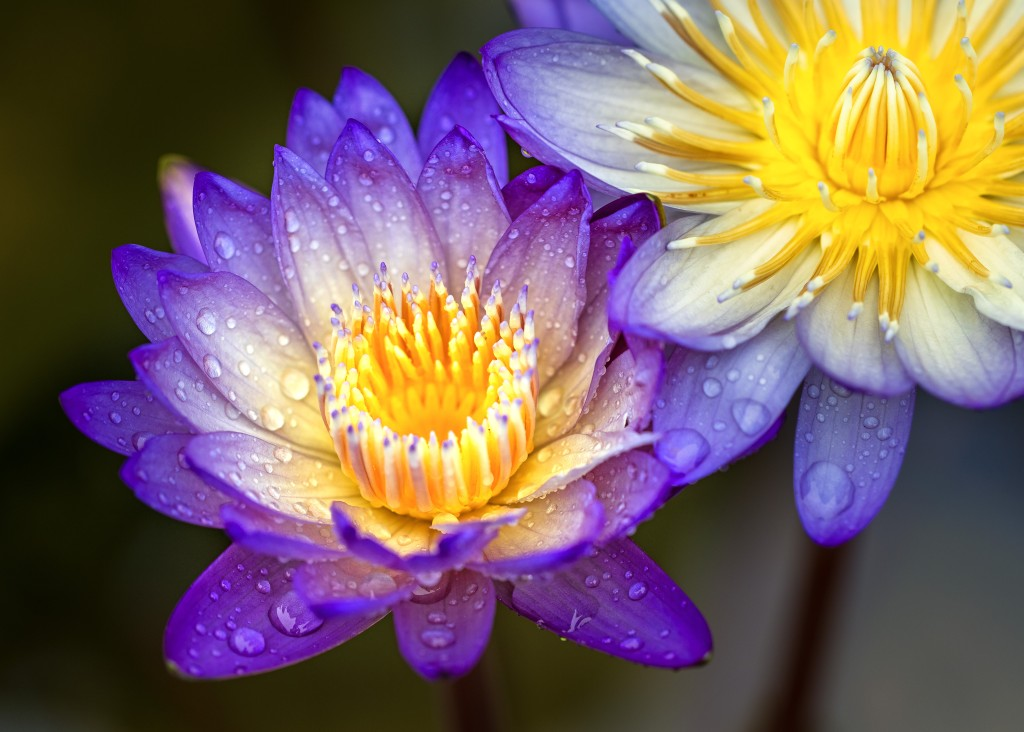
林麗珍
睡蓮一雙
睡蓮一雙
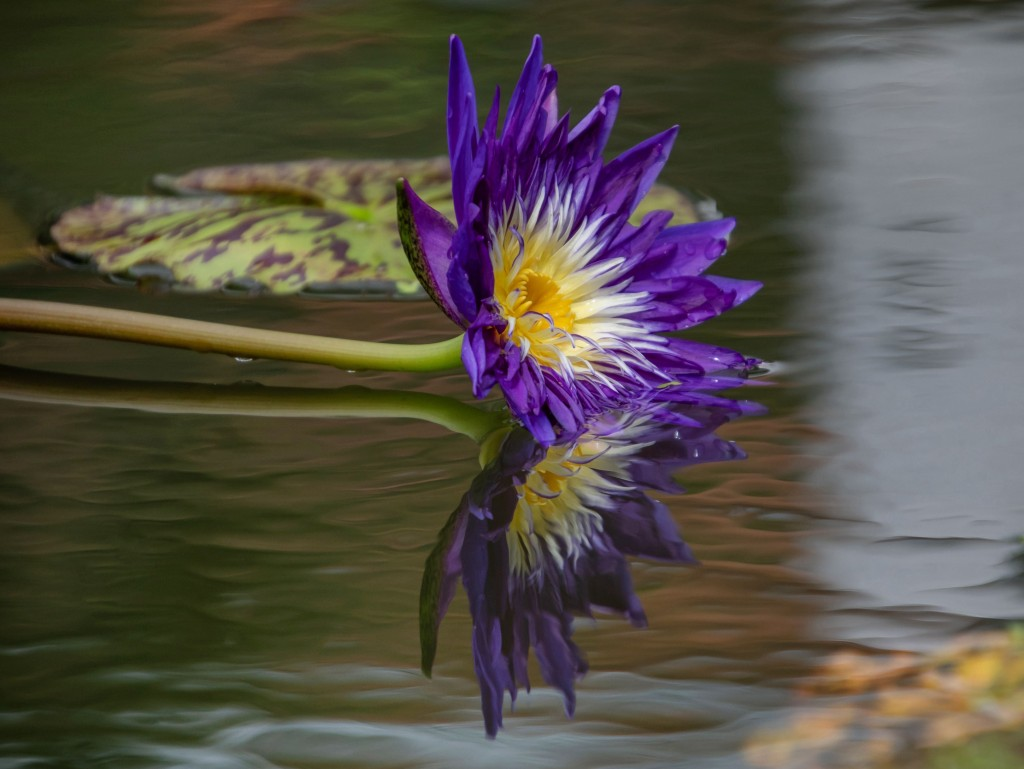
陳進豪
荷花映佛影
荷花映佛影
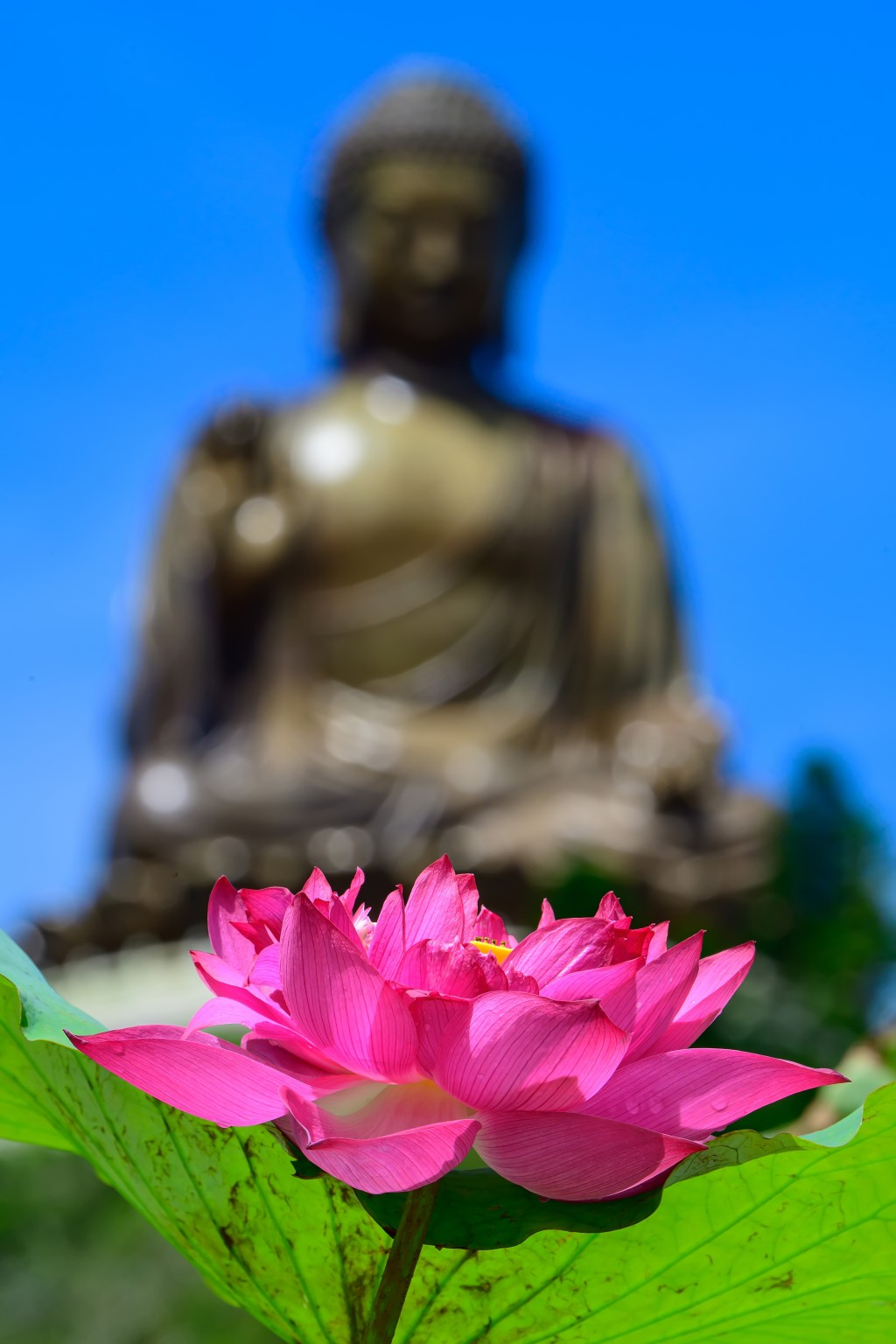
張麗珍
形麗
形麗
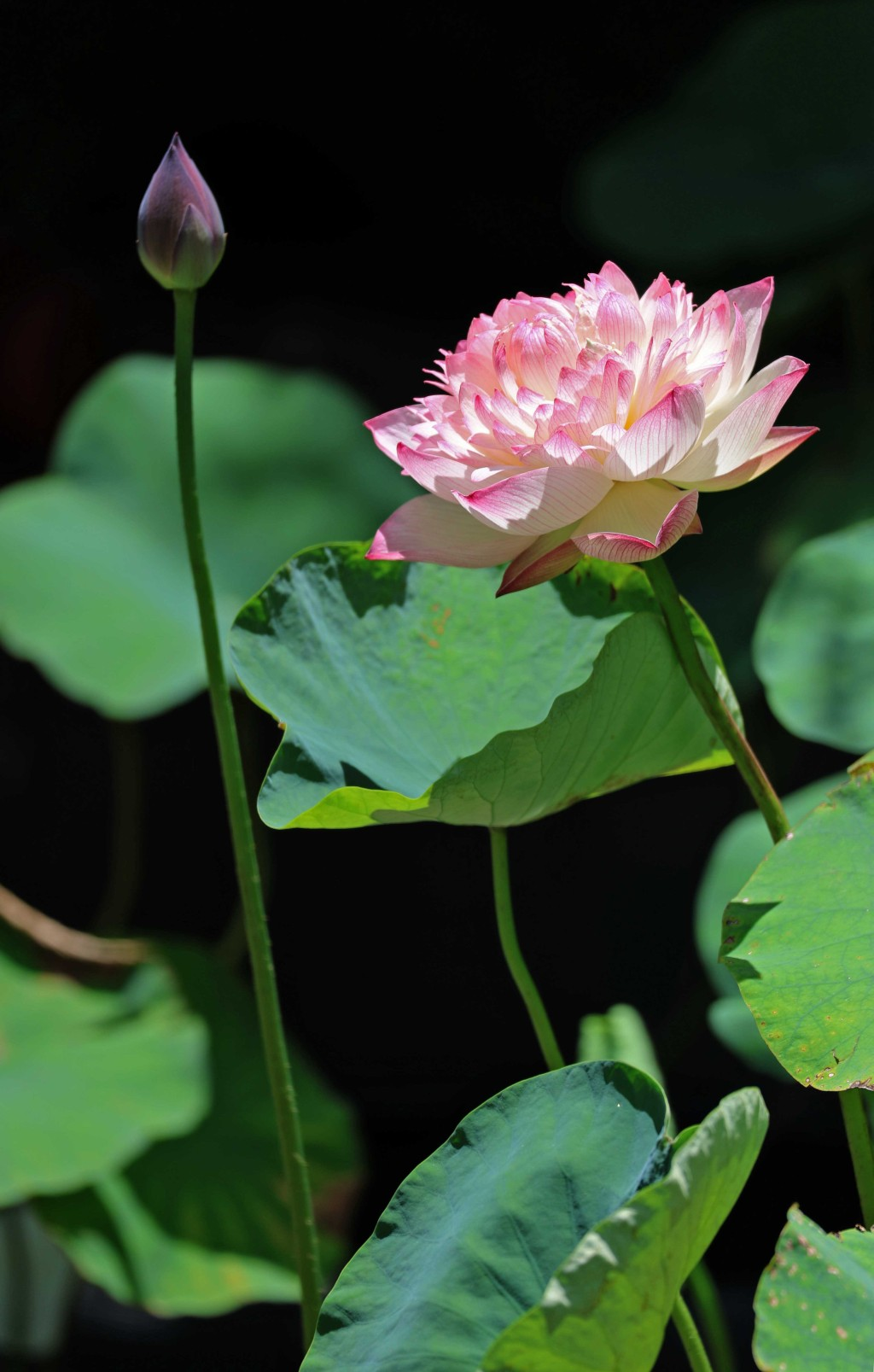
李汝基
形態
形態
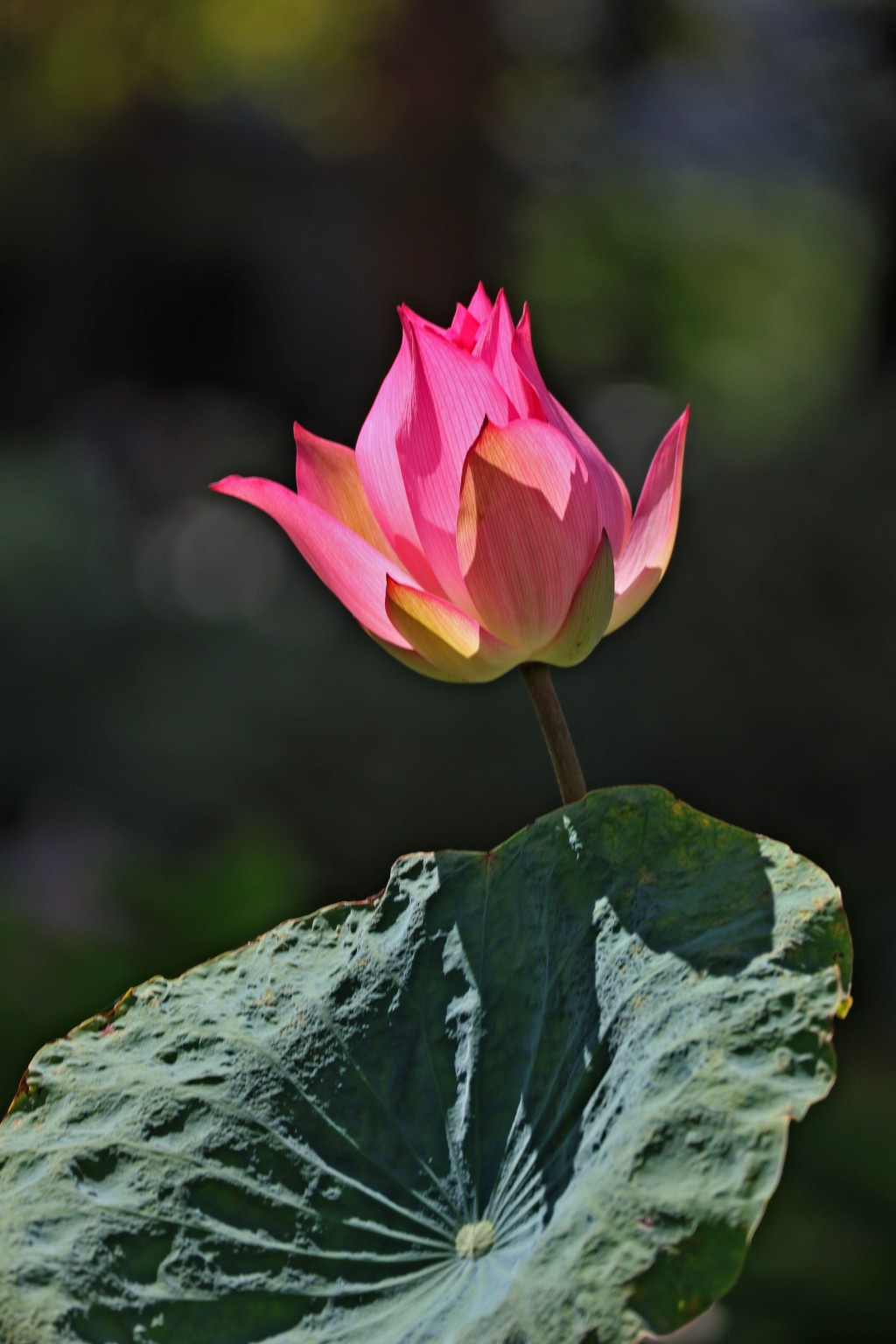
余福強
君子之風
君子之風
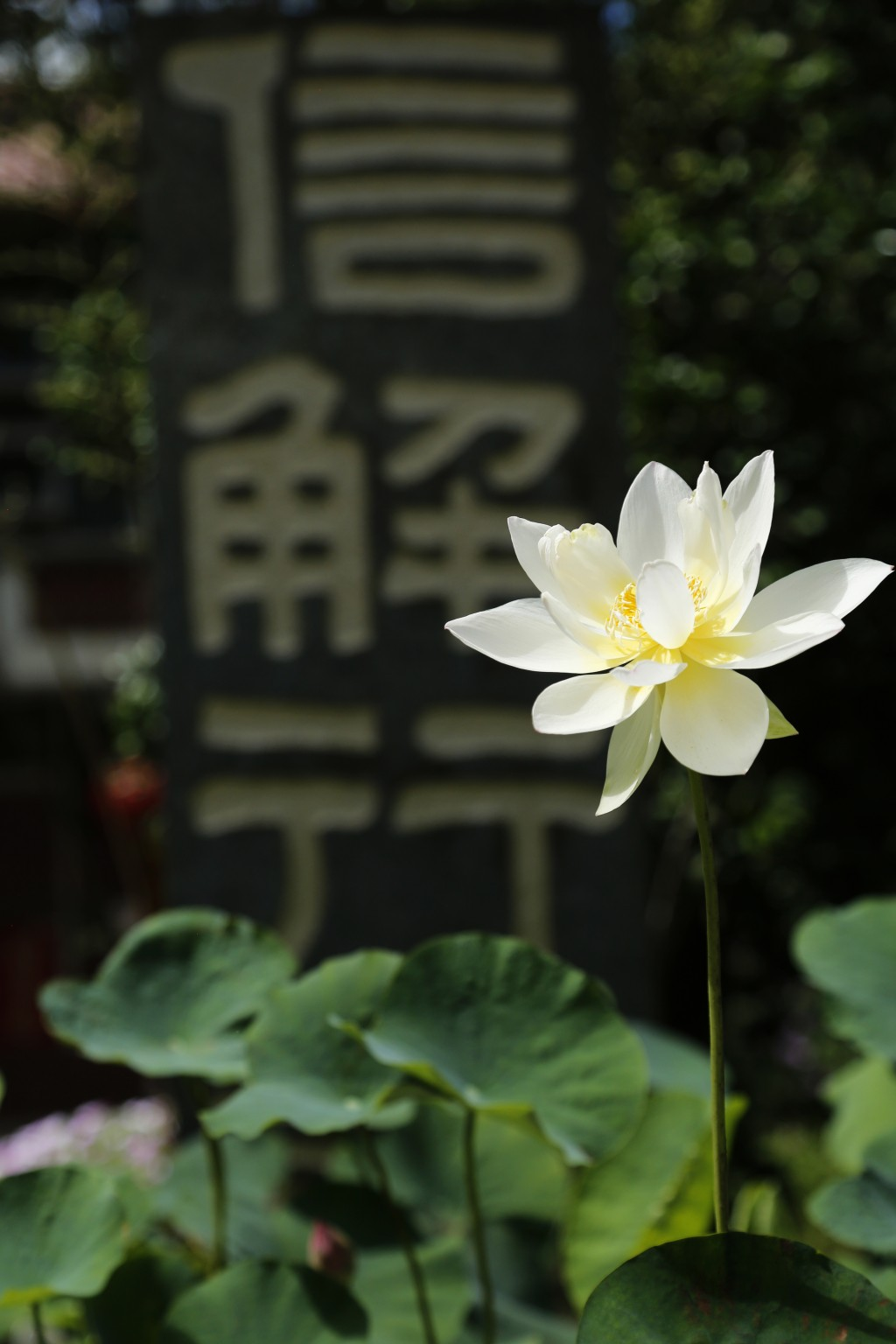
陳美儀
與寶蓮為伴
與寶蓮為伴
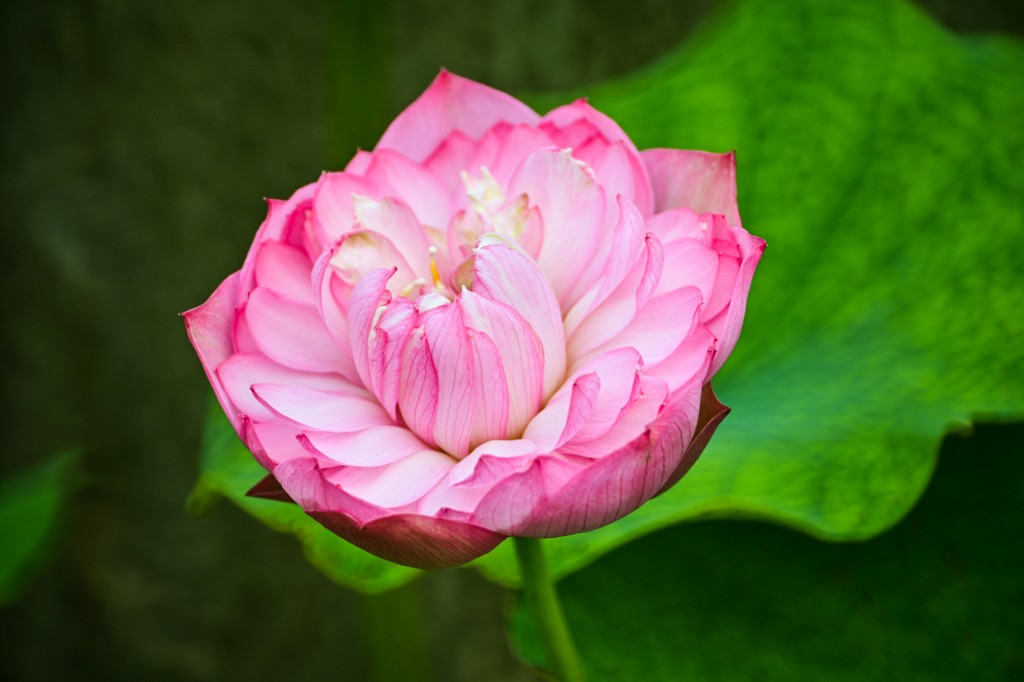
袁錦存
佛國蓮華
佛國蓮華
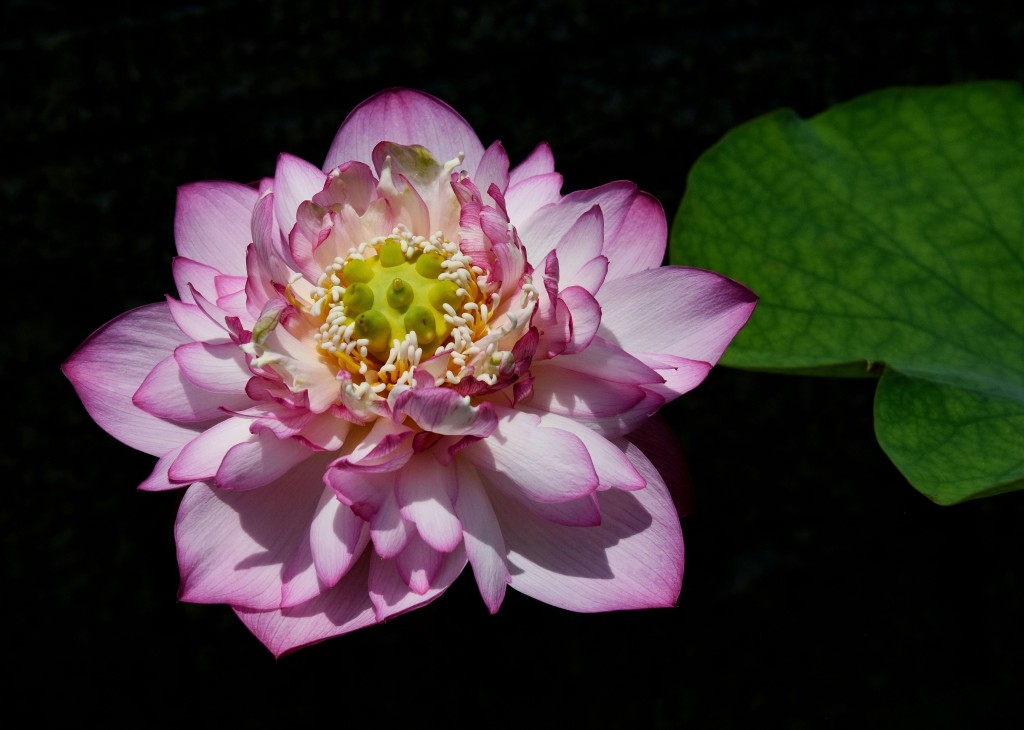
馮家麗
荷塘清韻 心心相印
荷塘清韻 心心相印
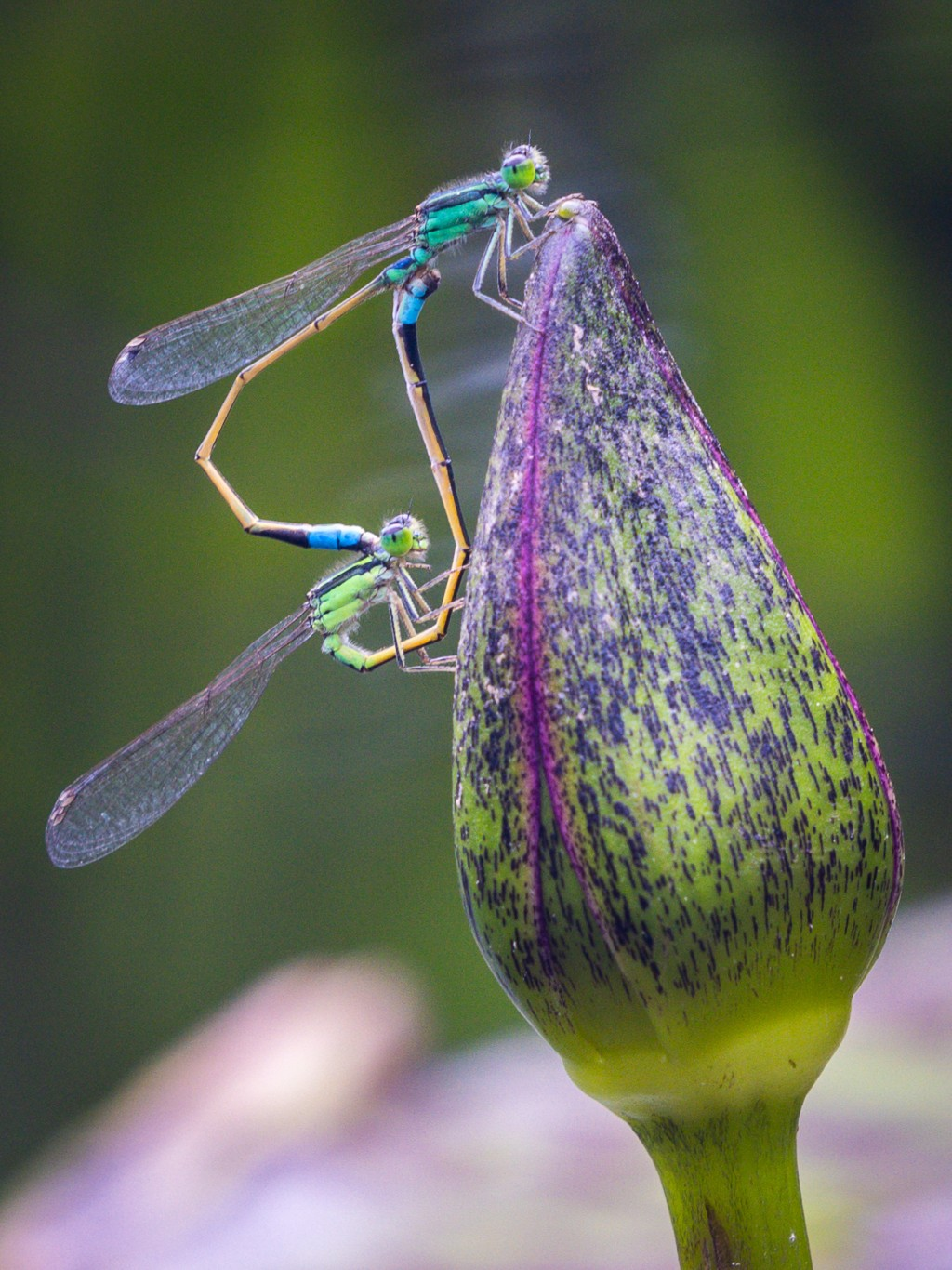
林麗英
艷美
艷美
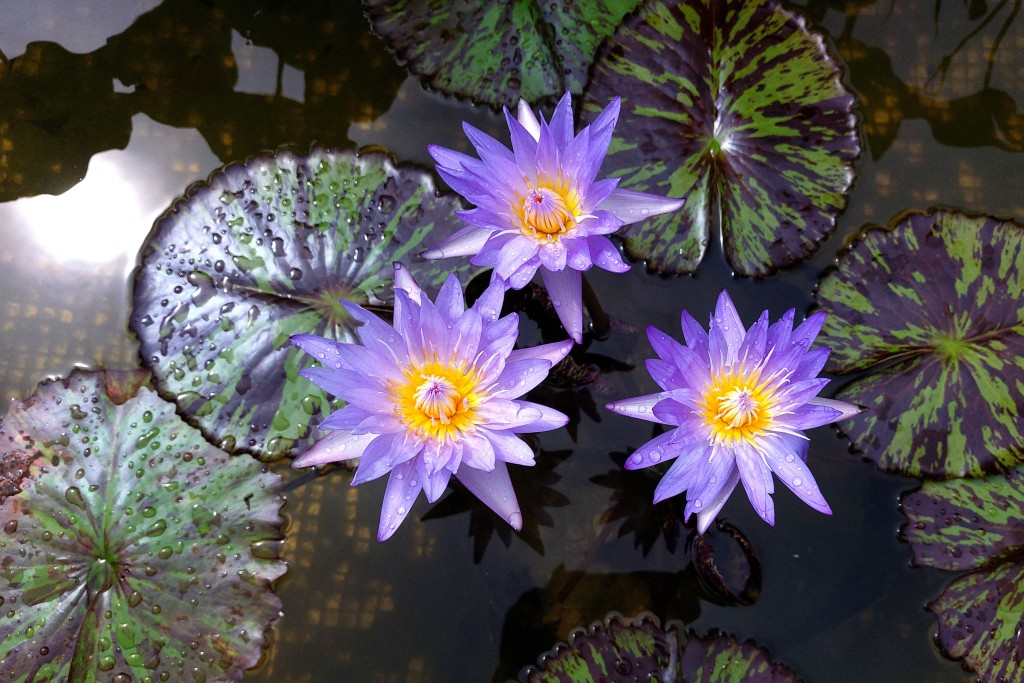
Group B: Snapshots
Ranking
Winners
Theme
Theme
Winner
吉家敏
雨後仙境
雨後仙境
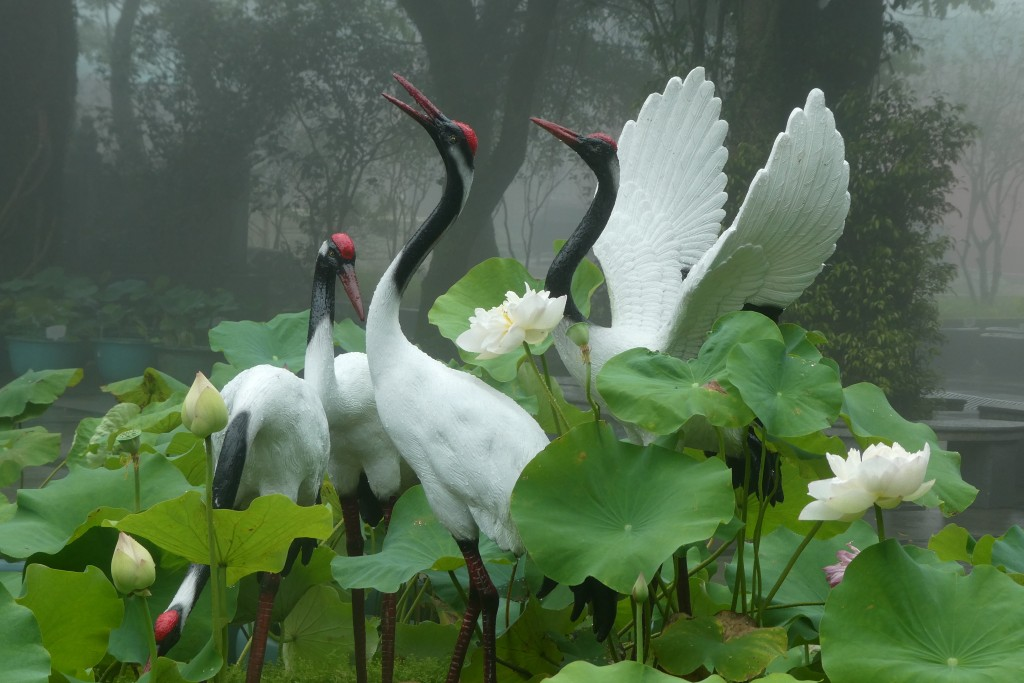
1st Runner-up
黃俊威
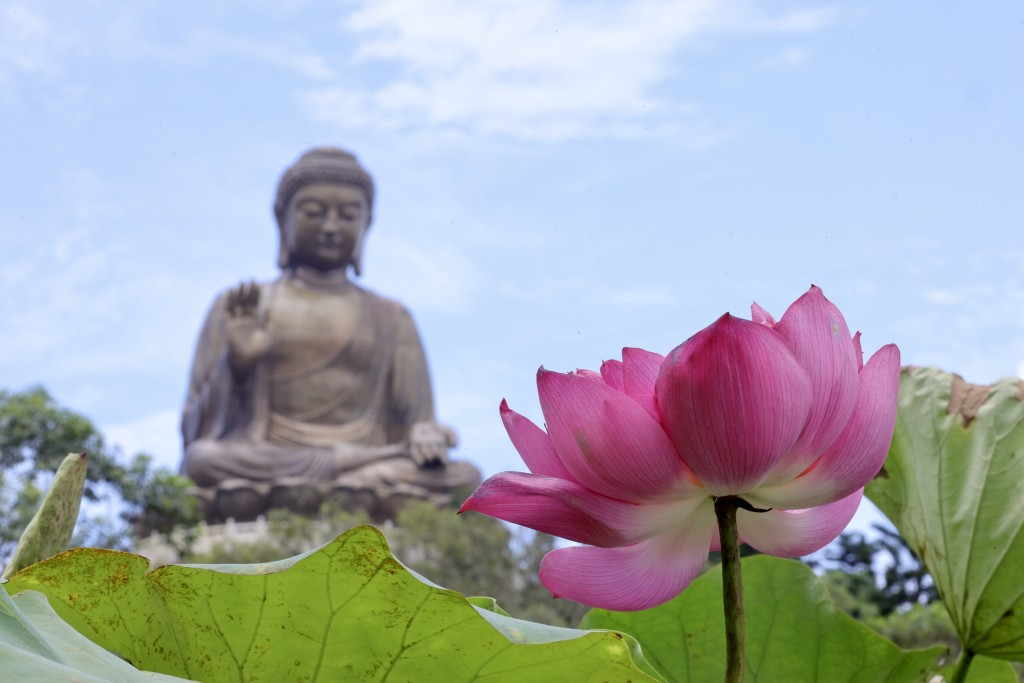
並肩
並肩
2nd Runner-up
彭紫雯
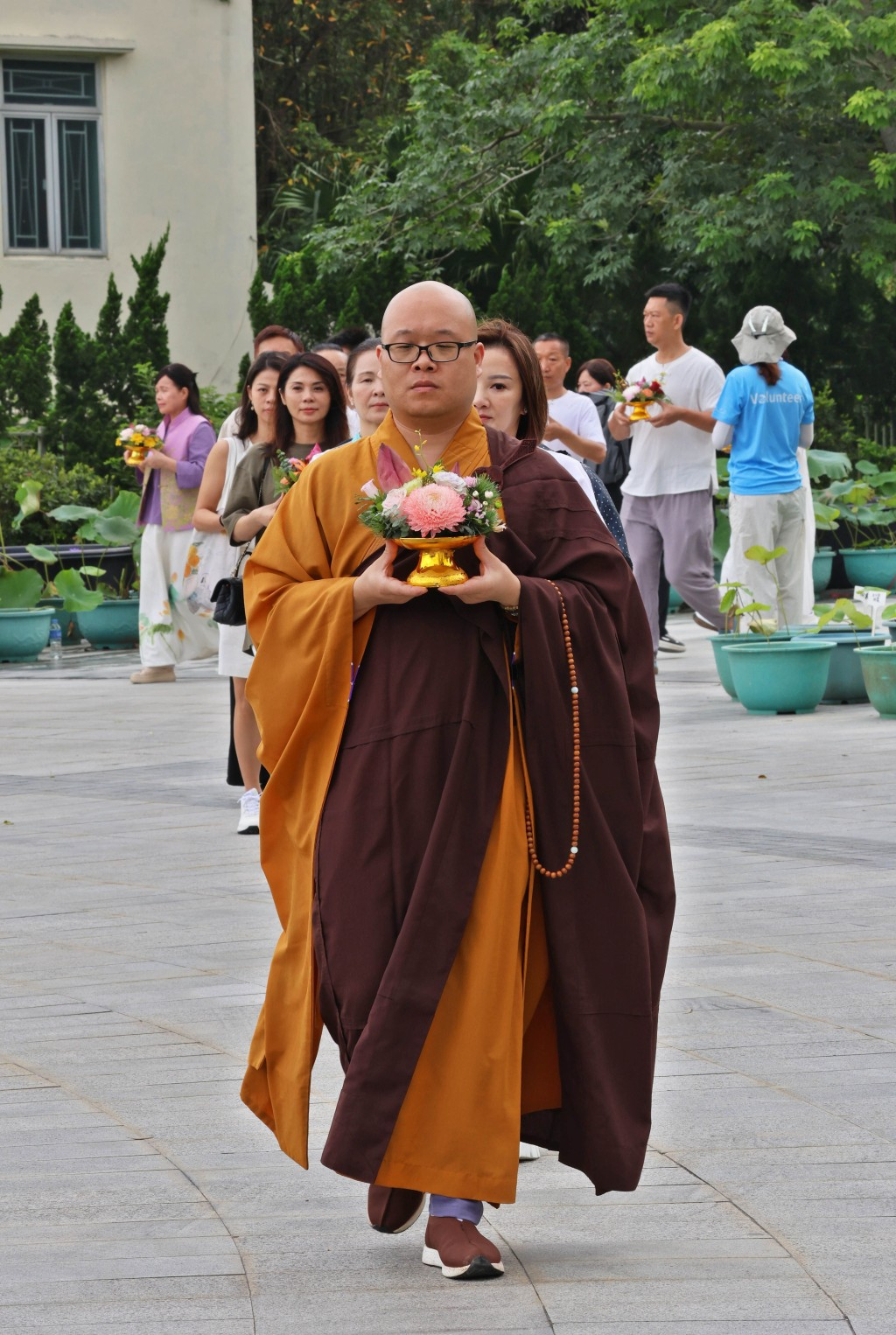
儀式
儀式
Merit (in no particular order)
彭力民
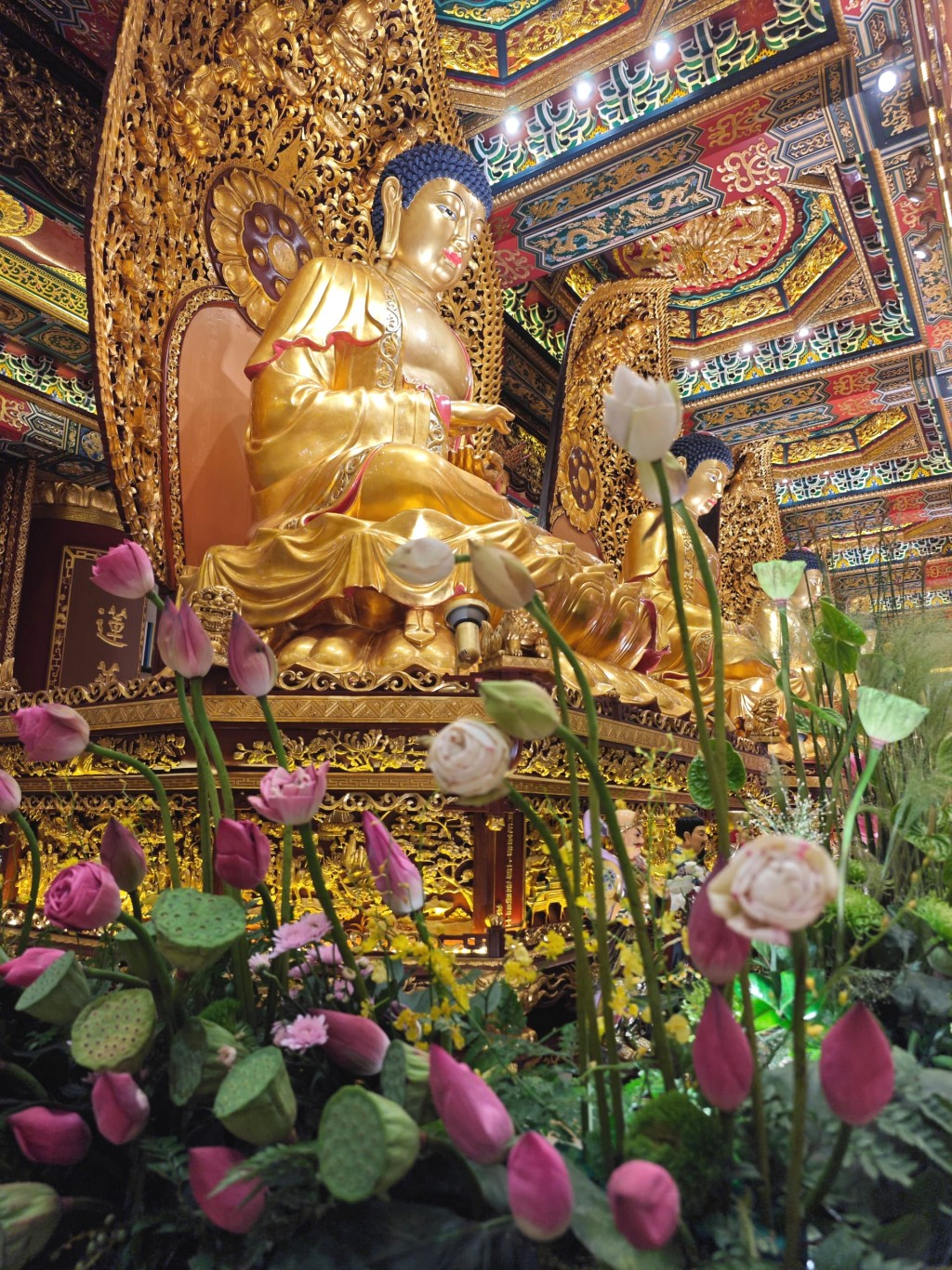
敬佛荷花
敬佛荷花
李永能
留住最美一刻
留住最美一刻
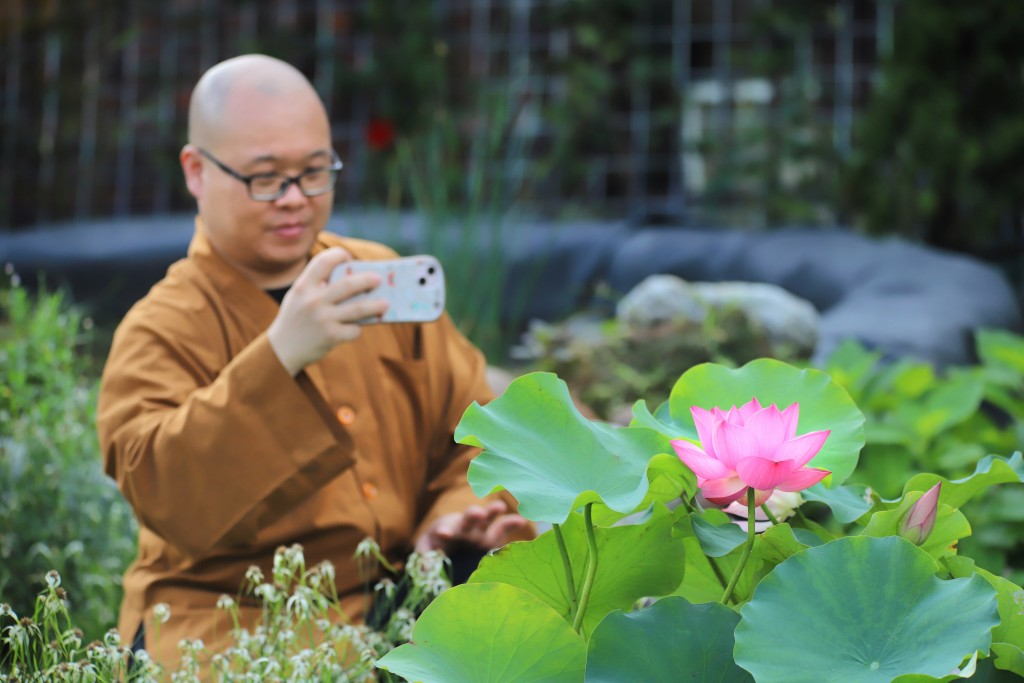
陳潔冰
荷花仙子
荷花仙子
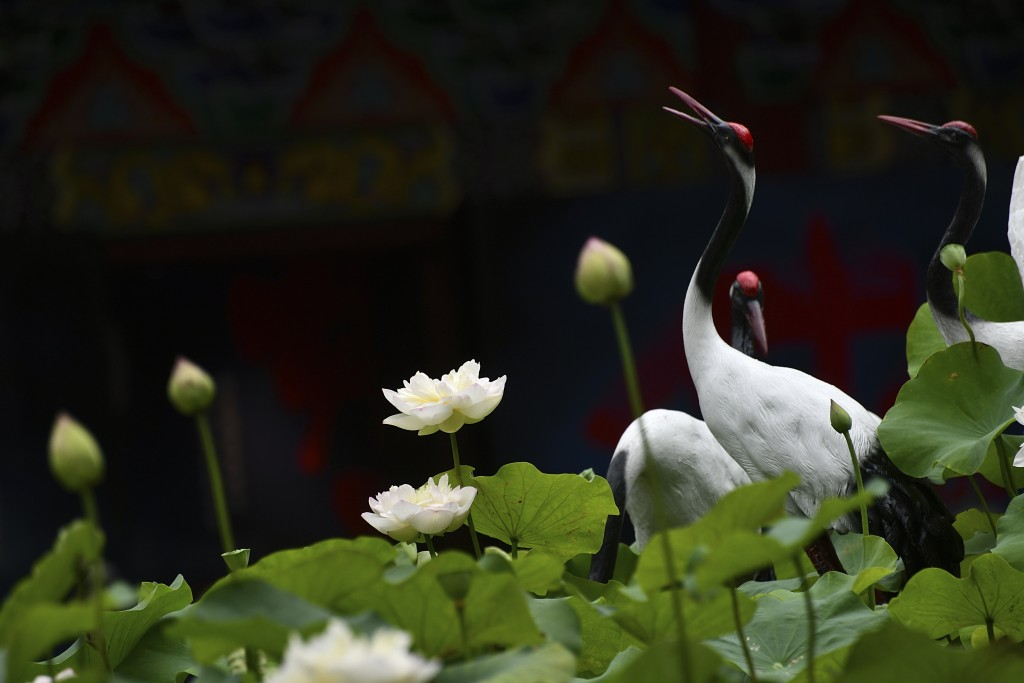
崔少燕
齊鳴
齊鳴
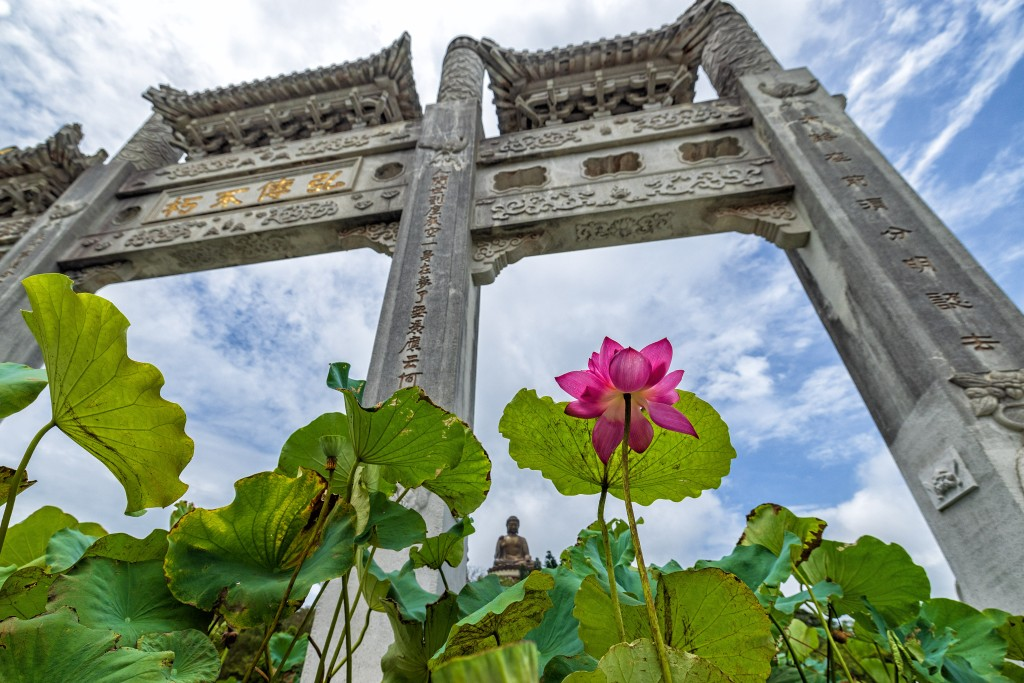
王麗雅
荷花、山門與大佛
荷花、山門與大佛
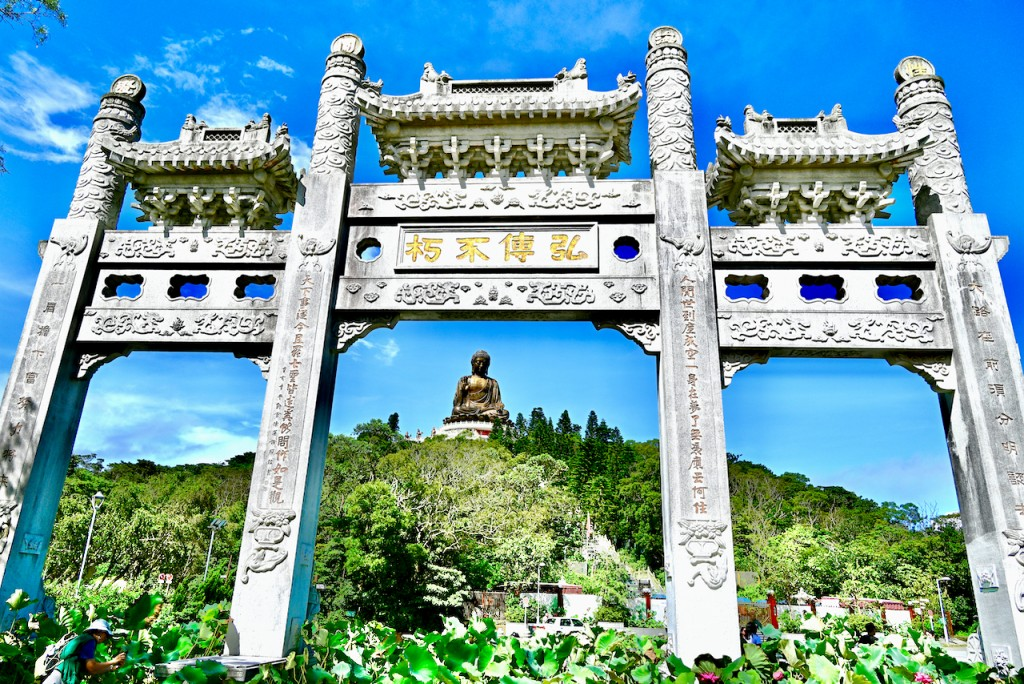
劉永佳
荷韻佛門溢梵心
荷韻佛門溢梵心
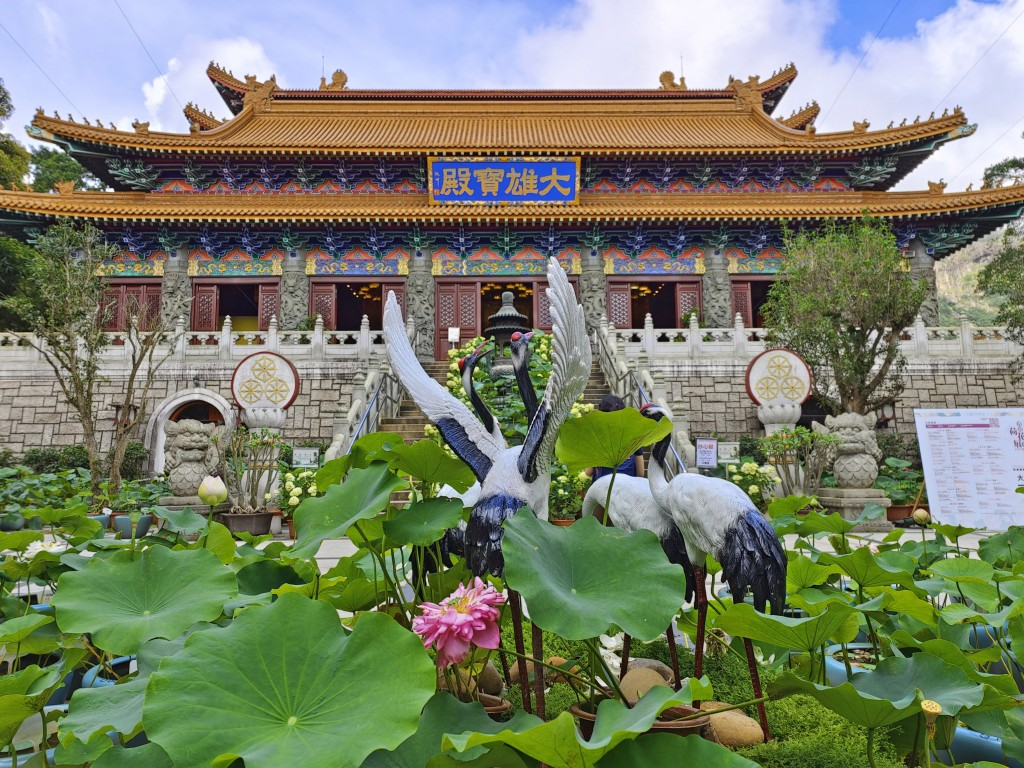
何佩琪
寶剎迎賓
寶剎迎賓
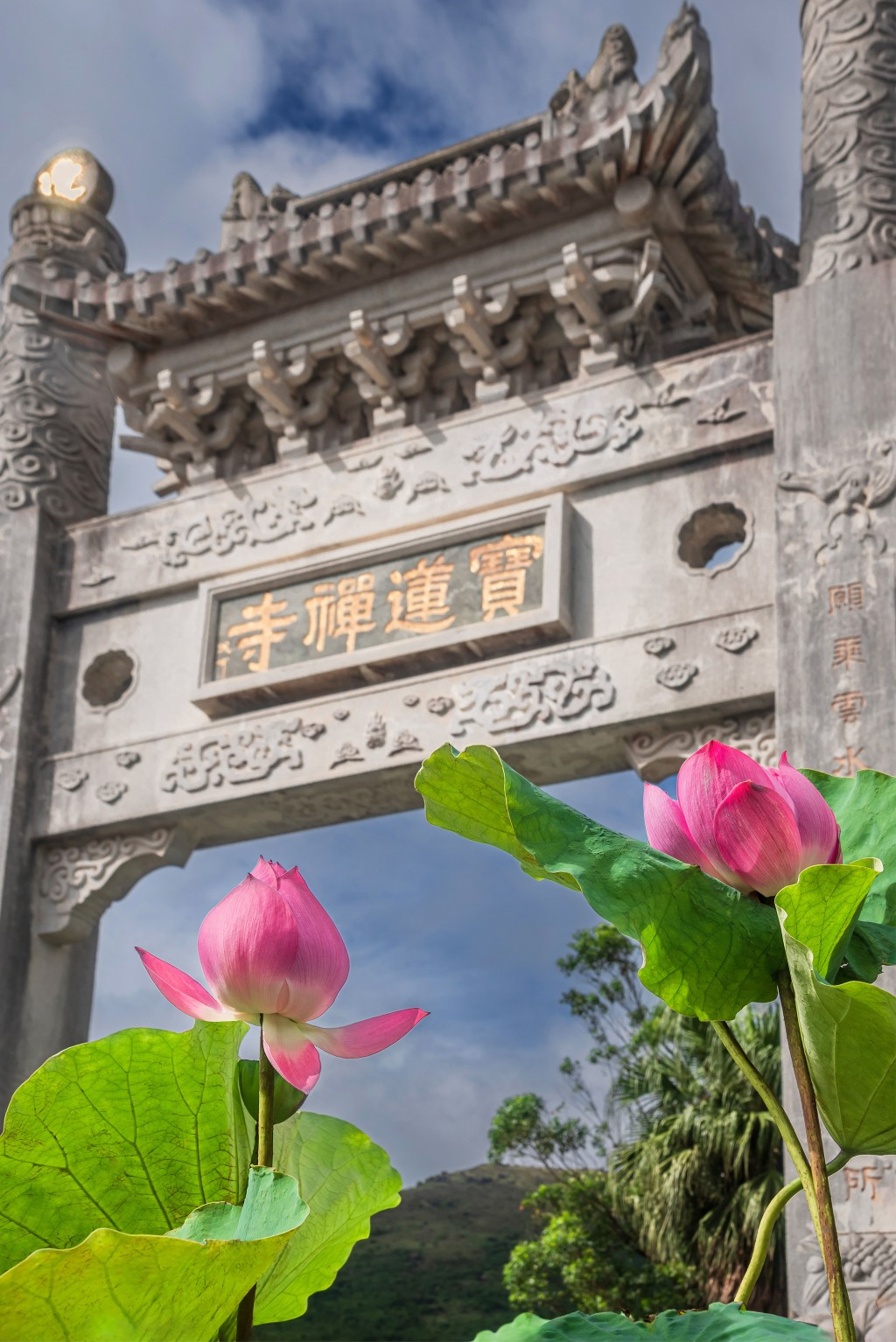
陸尚義
漫步人生
漫步人生
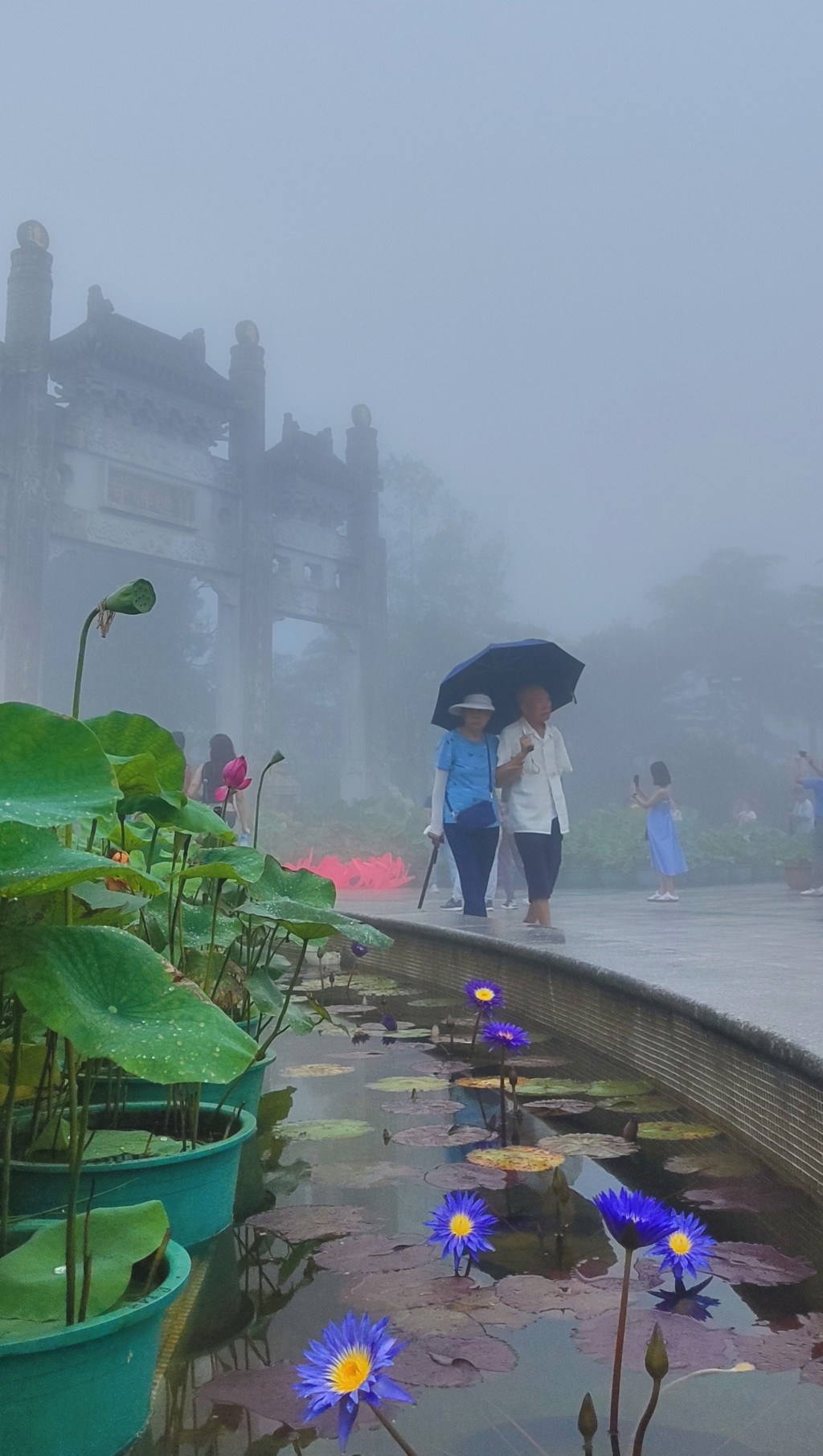
林珠
祥和丹頂
祥和丹頂
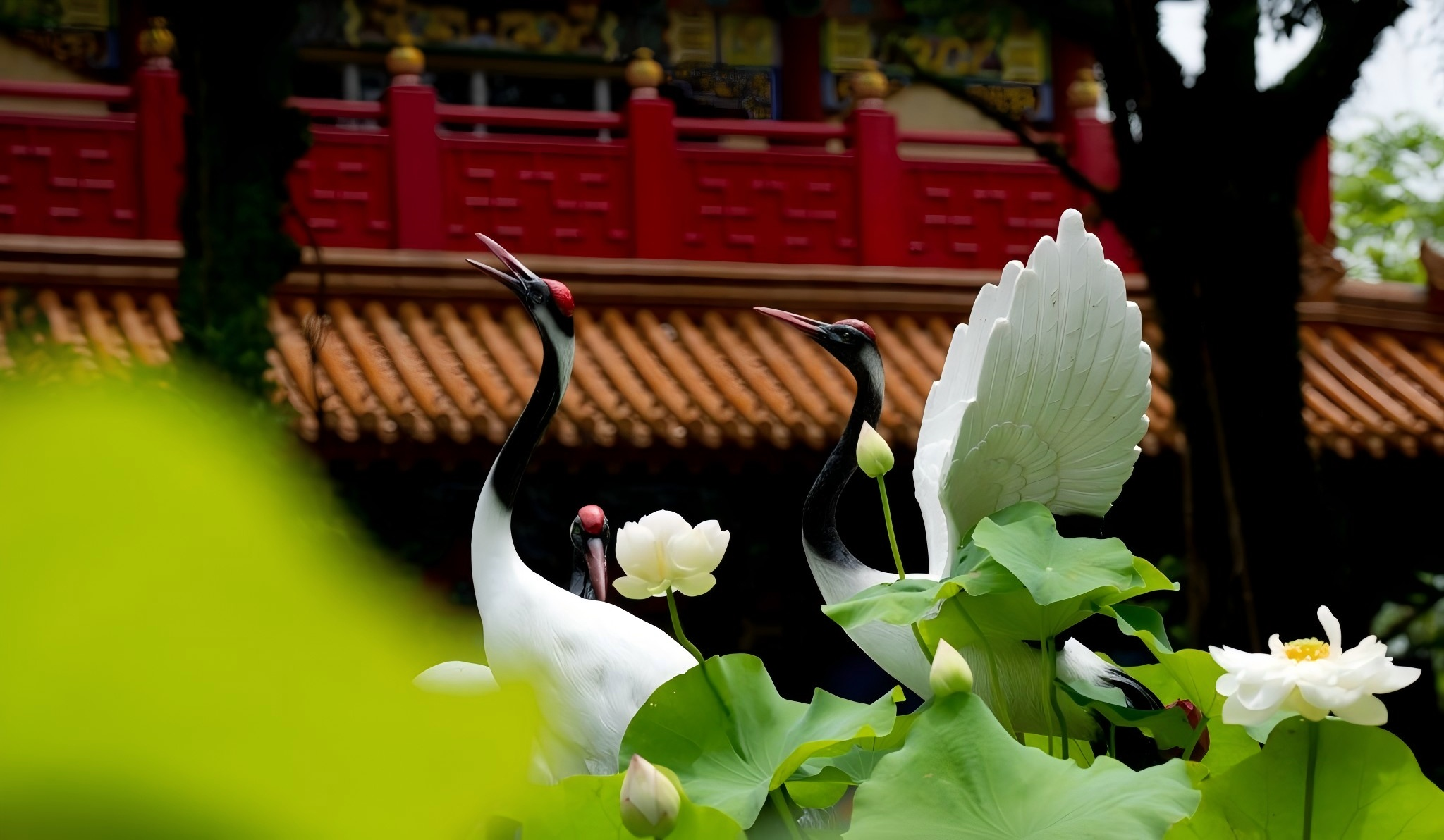
李繼昌
智慧洗無明
智慧洗無明
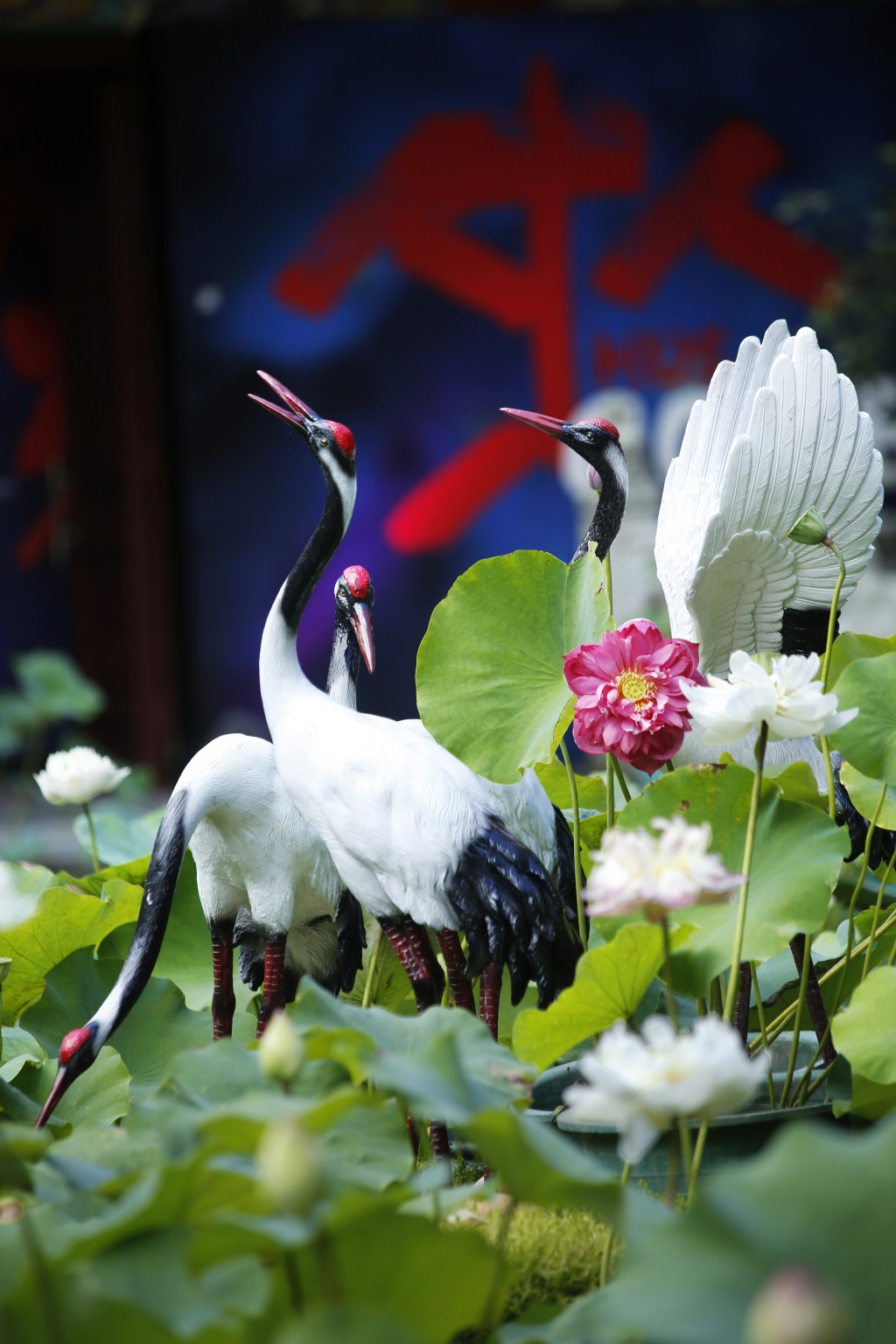
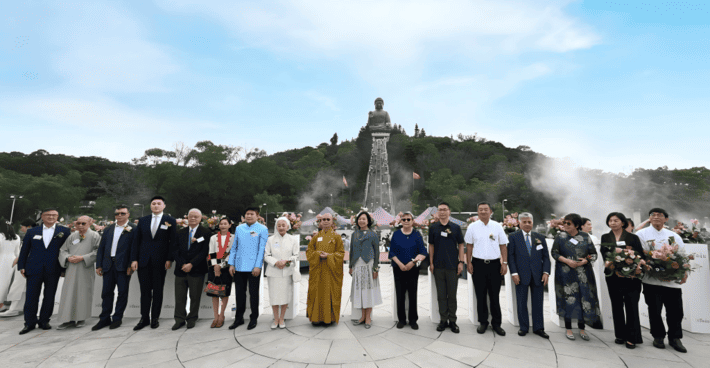
The first Hong Kong Lotus Festival, jointly organised by Po Lin Monastery, Institute of Horticultural (Hong Kong), and Sing Tao News Corporation, is themed "Prosperous Lotus, Blessing Hong Kong." Held at Po Lin Monastery on Lantau Island starting 23 June, the ten-day exhibition aims to transform Po Lin Monastery and Ngong Ping into an immersive traditional cultural experience centre, offering students and the public a humanities and aesthetic feast of traditional culture.
On 23 June, the opening ceremony of the "Hong Kong Lotus Festival 2023" took place as scheduled.
Representatives of the organizers included Venerable Jing Yin, Abbot of Po Lin Monastery; Dr. Choi Jin, Executive Director and CEO of Sing Tao News Corporation; Ms. Choy So-yuk, Honorary President of the Institute of Horticultural (Hong Kong); and Ms. Xu Hefen, President of the Institute of Horticultural (Hong Kong). Officiating guests at the opening ceremony included: Ms. Mak Mei-kuen, Secretary for Home and Youth Affairs; Dr. Yiu Kai Pang, Chairman of the Hong Kong Tourism Board; Mr. Chaturont CHAIYAKAM, Consul General of Thailand in Hong Kong; Mr. Li Gongxun, Deputy Director of the New Territories Sub-office of the LOCPG; Dr. Leung Oi-sie, former Deputy Director of the Hong Kong Basic Law Committee of the National People's Congress Standing Committee; Dr. Fan Hsu Lai-tai, former member of the Standing Committee of the National People's Congress; Mr. Yeung Chun Fan, Vice Chairman and General Manager of Glorious Sun Enterprises Limited; Mr. Yao Maolong, President of the Hong Kong Jiangsu Community Association; Professor Lee Chack-fan, Director of the Jao Tsung-I Petite Ecole at the University of Hong Kong; Professor Chen Zhi, President of Hong Kong Chu Hai College; and Mr. Yu Hon-kwan, Chairman of the Islands District Council. Together, they unveiled the lotus festival, posed for a group photo, and delivered speeches.
Group A: Flowers
Ranking
Winners
Winner
鄺煒利
1st Runner-up
霍文滿
2nd Runner-up
鍾銳祺
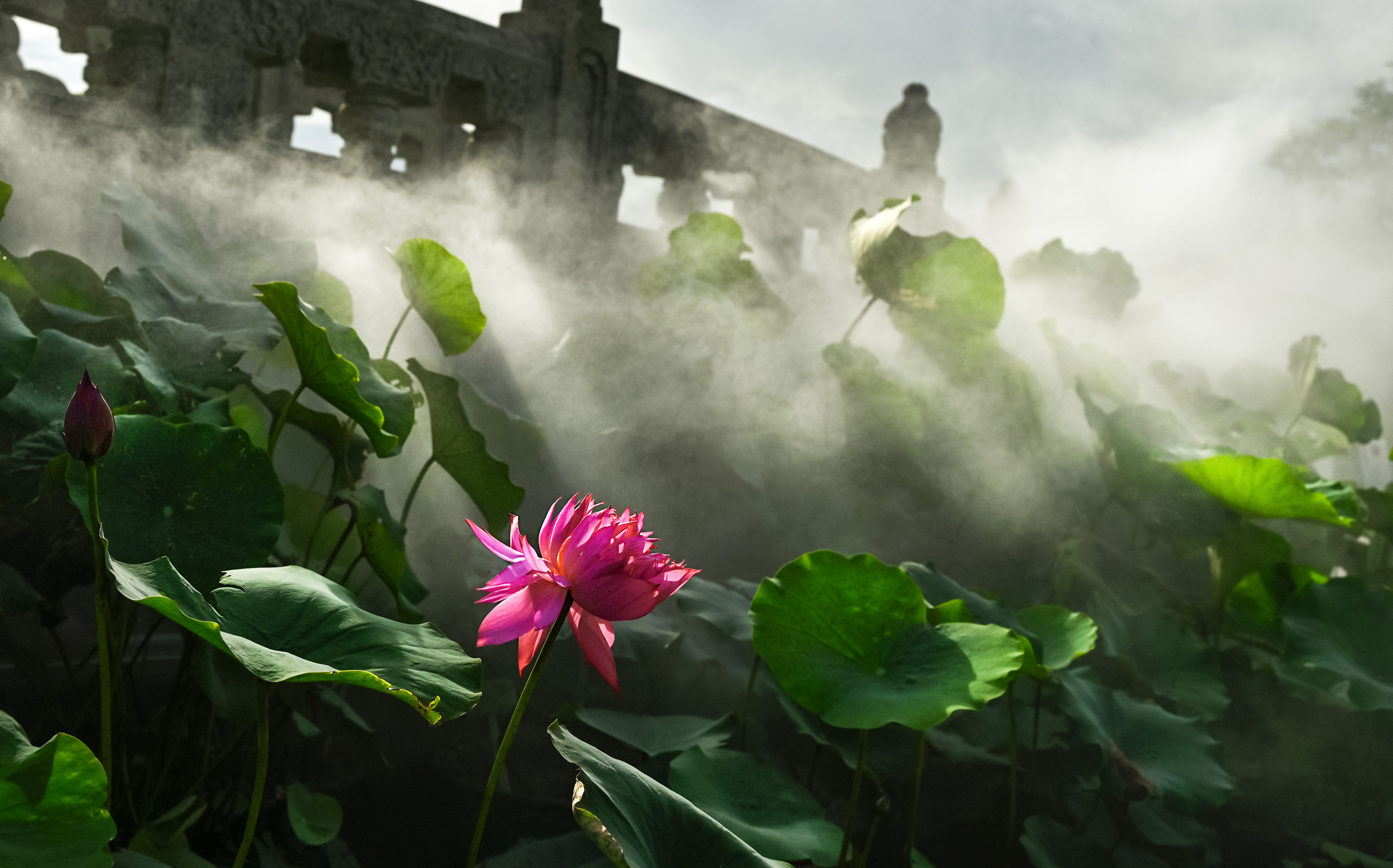
Merit
馮瀚林
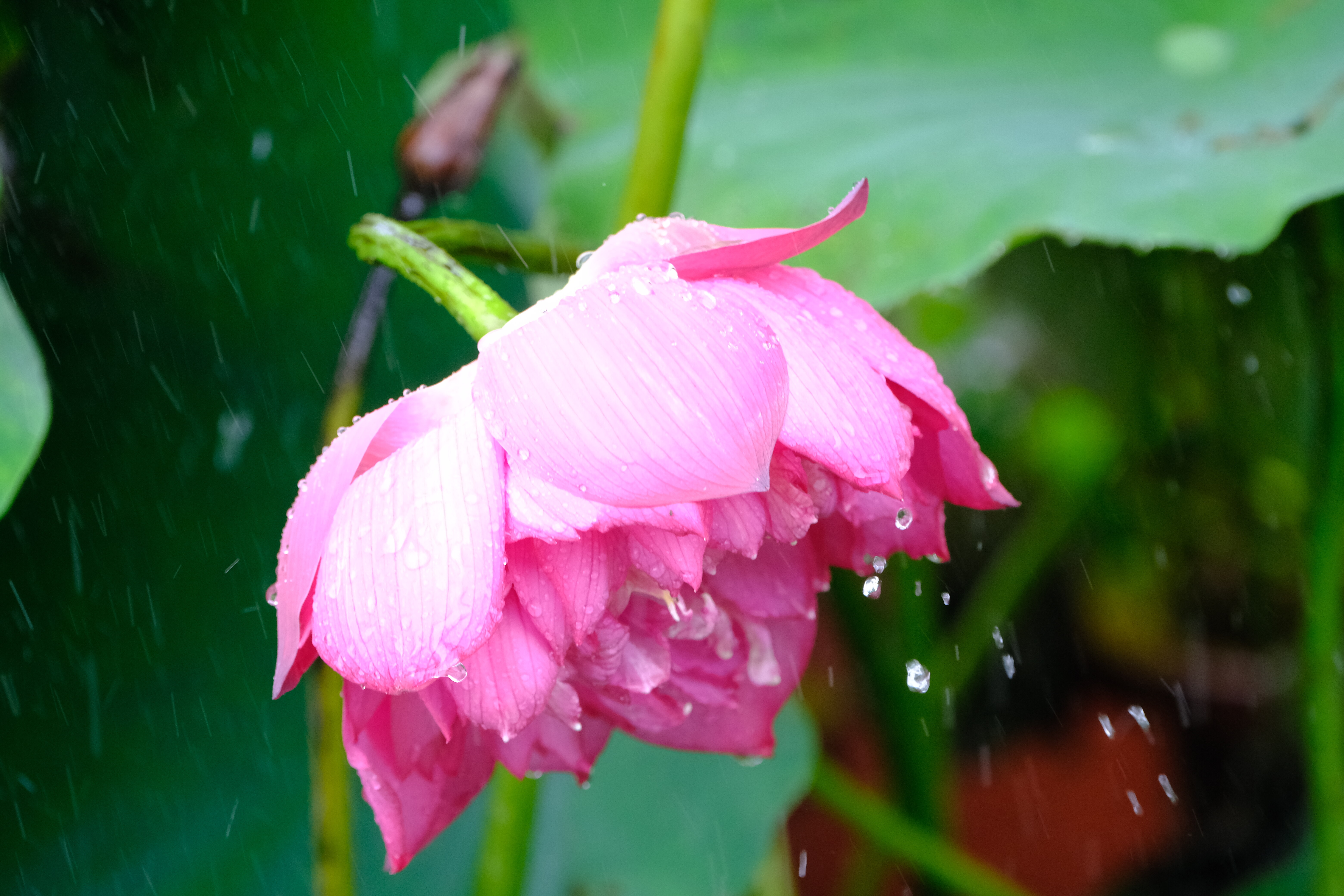
陳悅婷
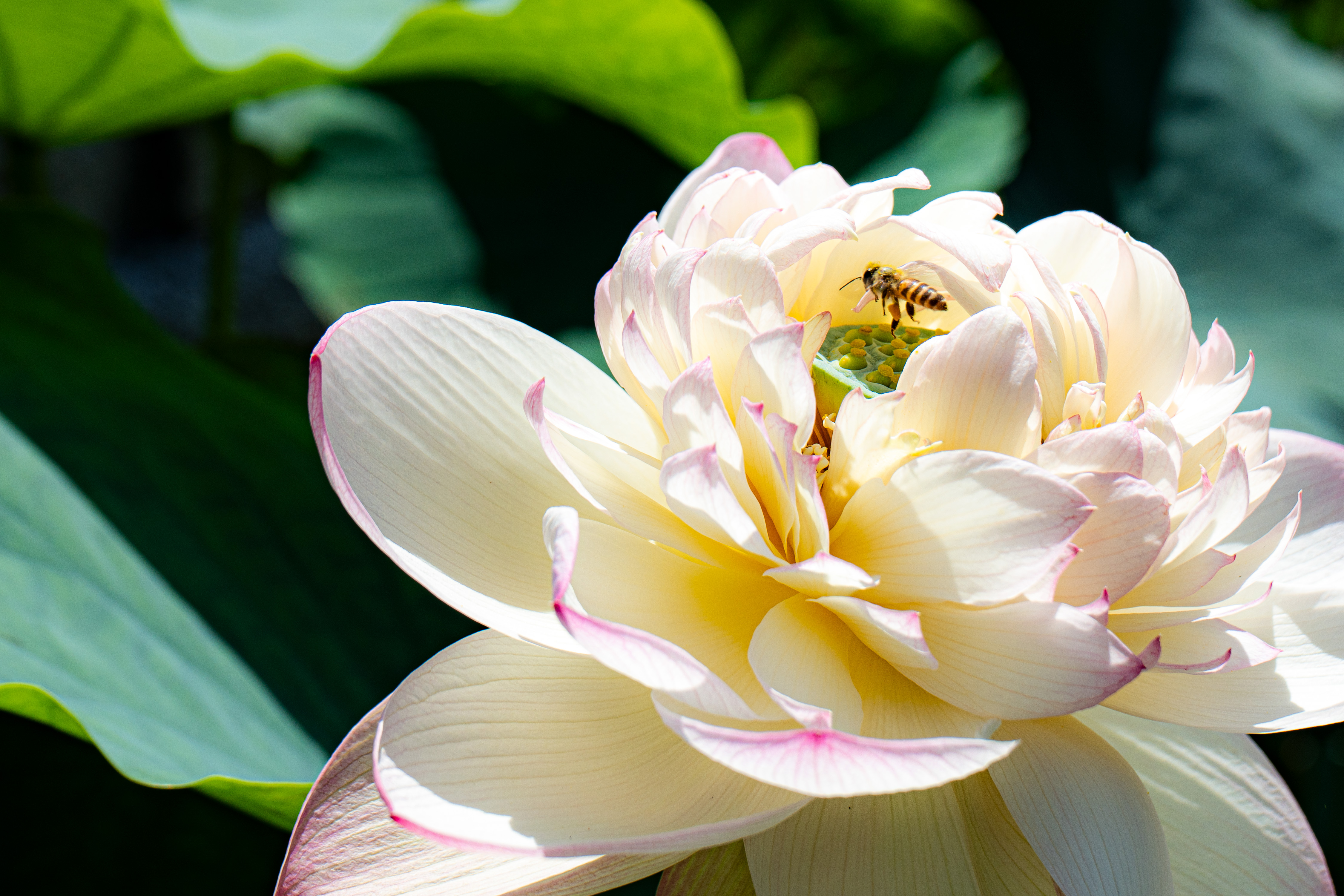
劉澍蕤
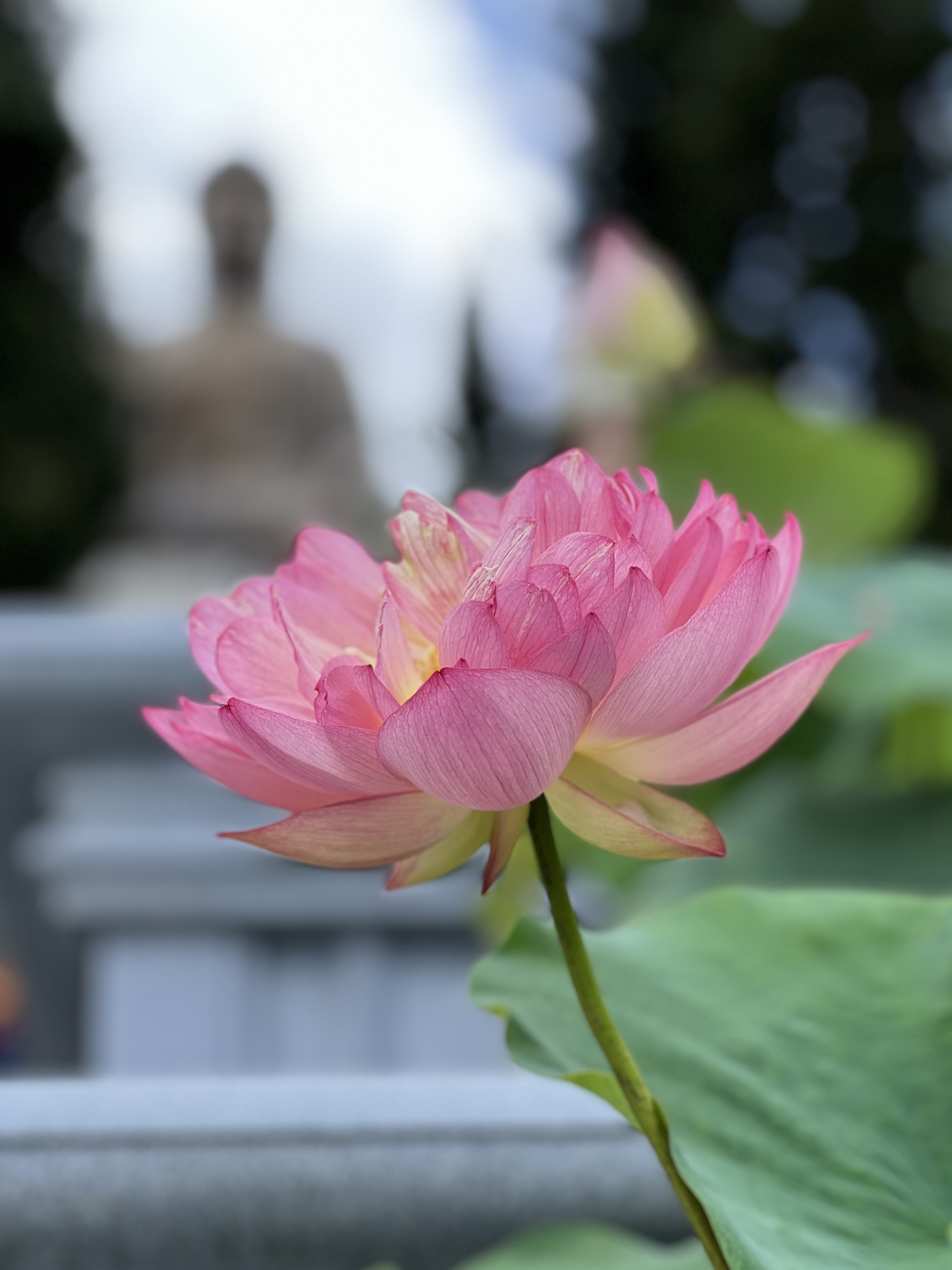
何立恒
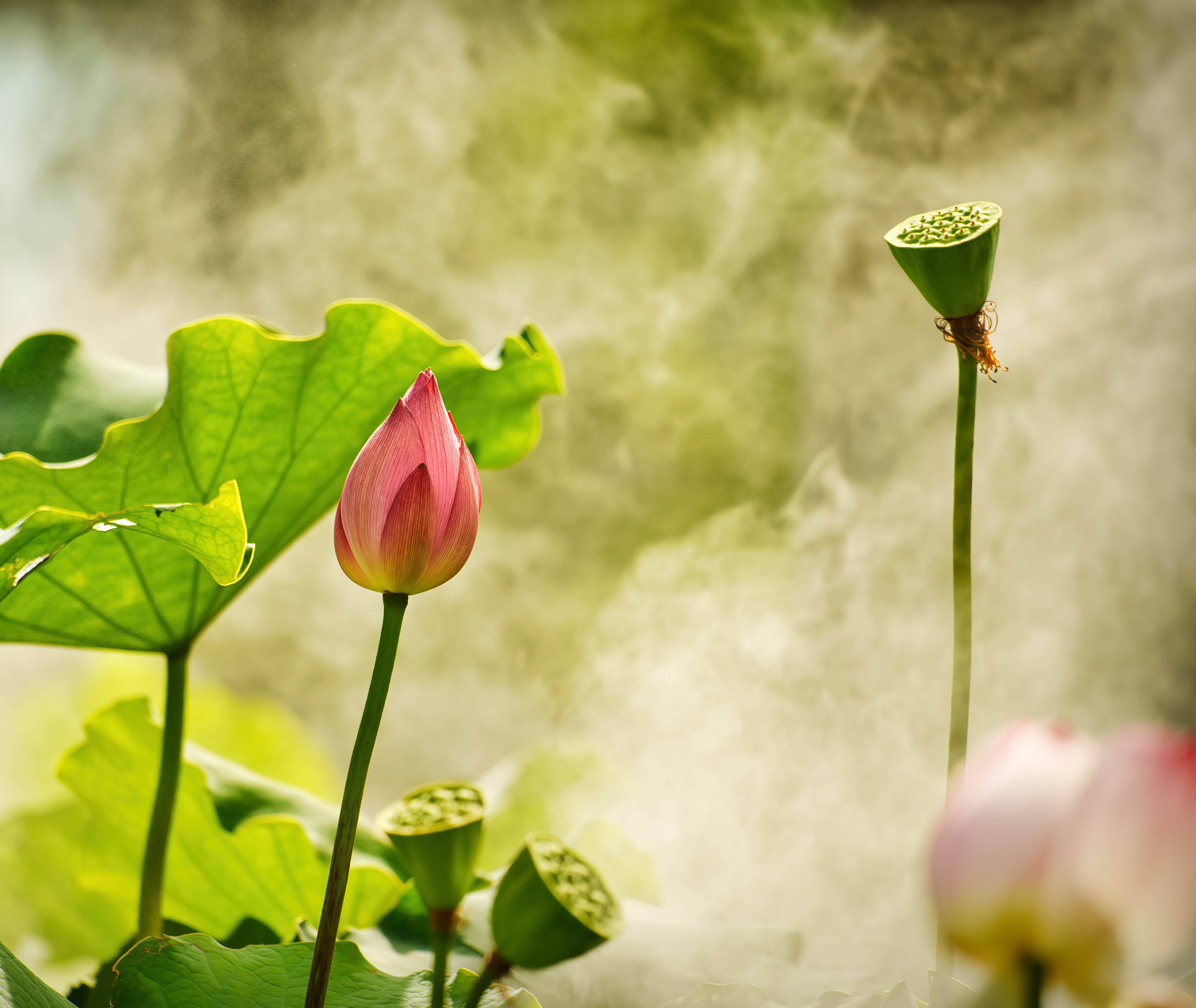
蔡惠霞
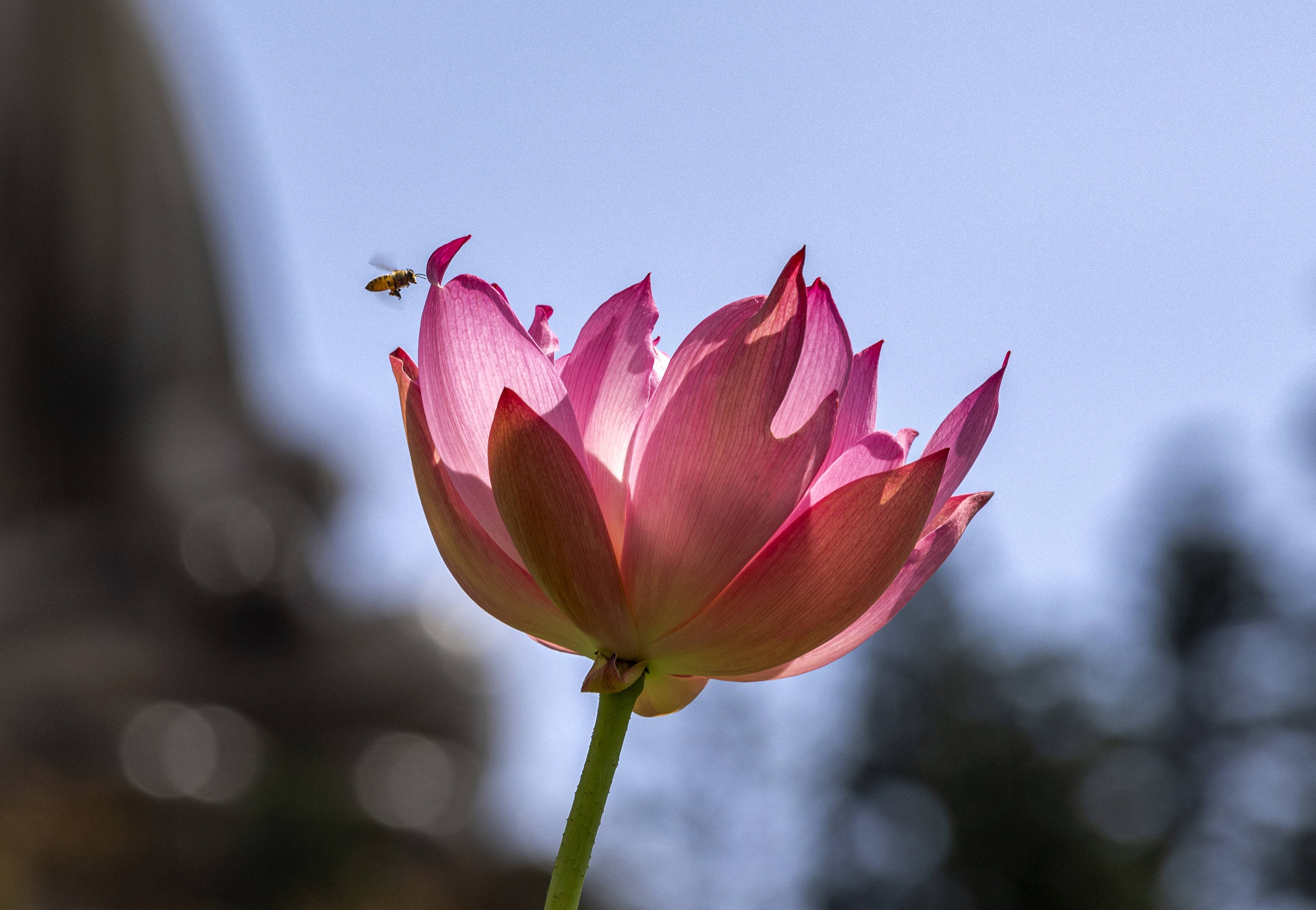
梁明典
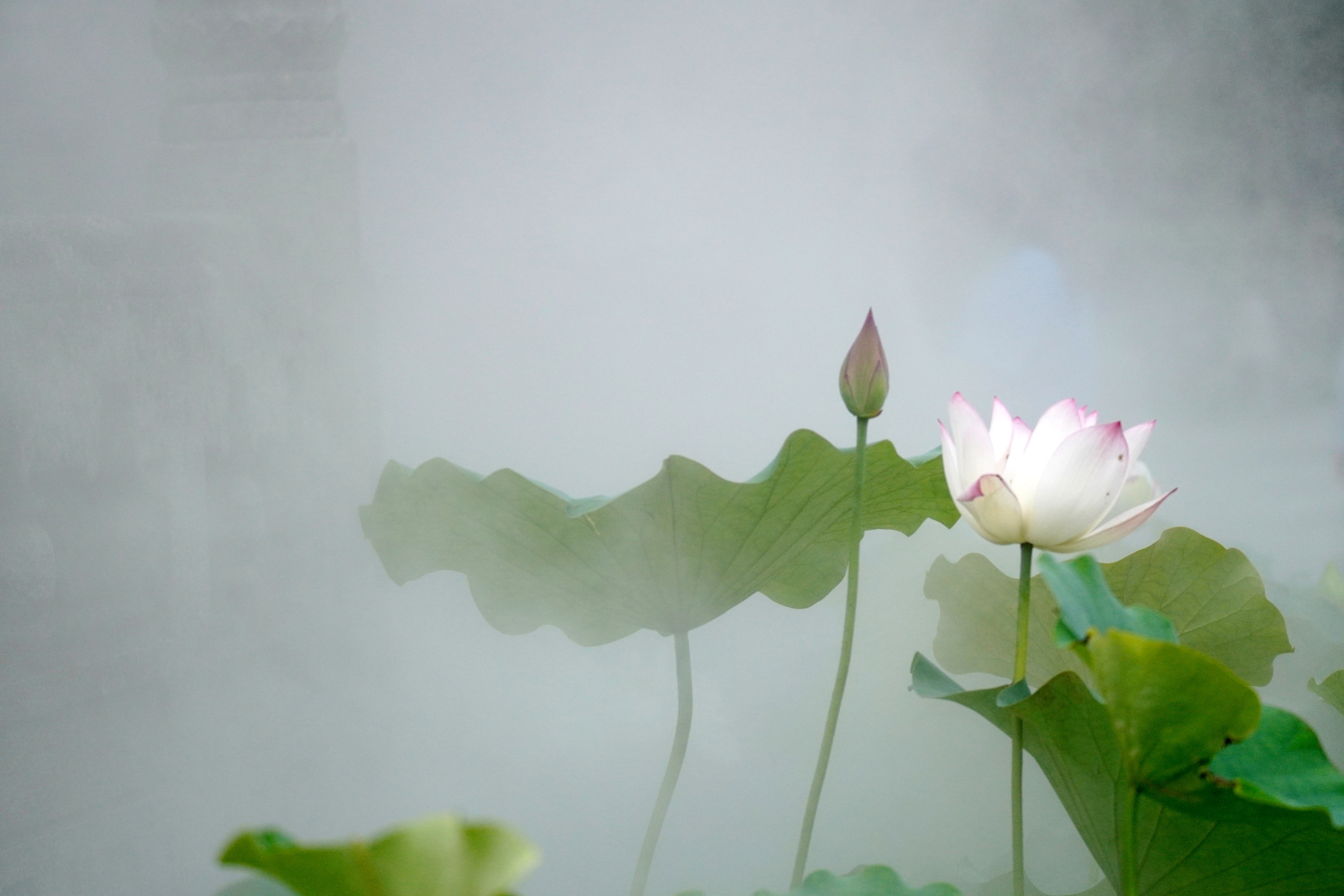
楊人明
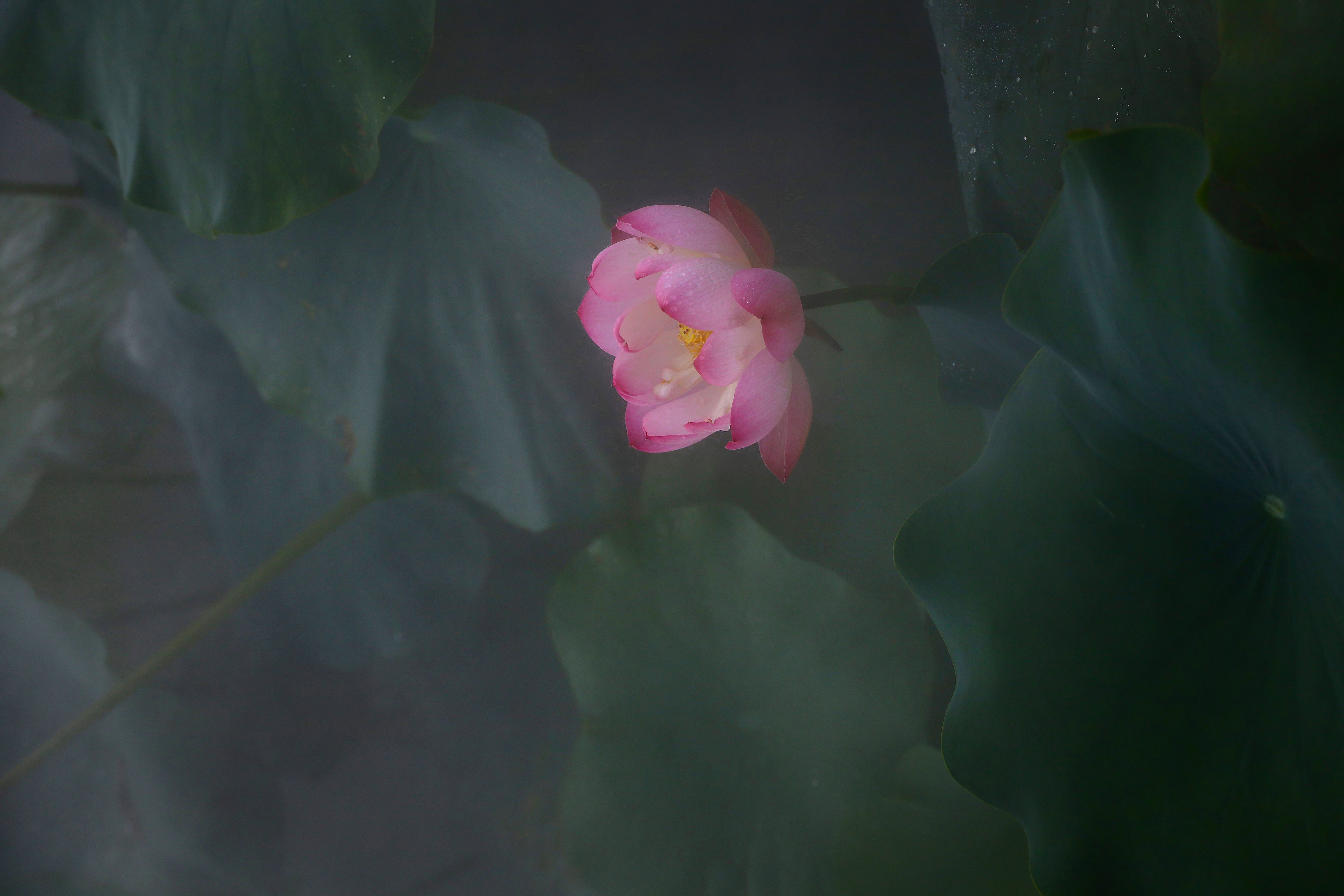
袁銀玉
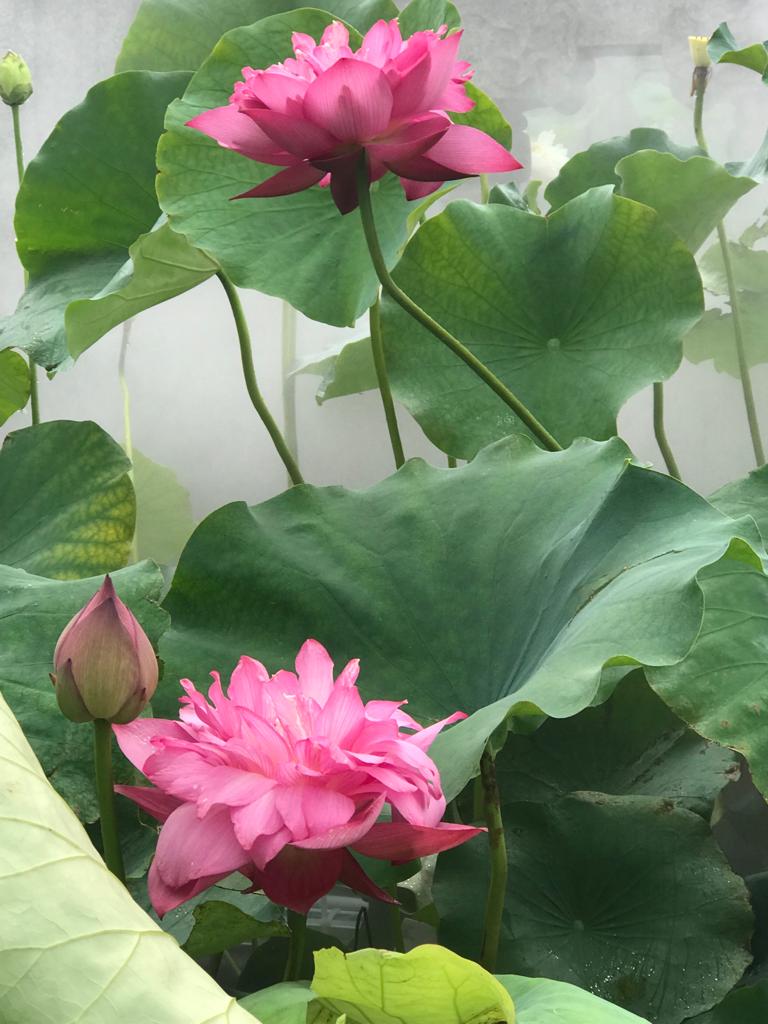
劉健華
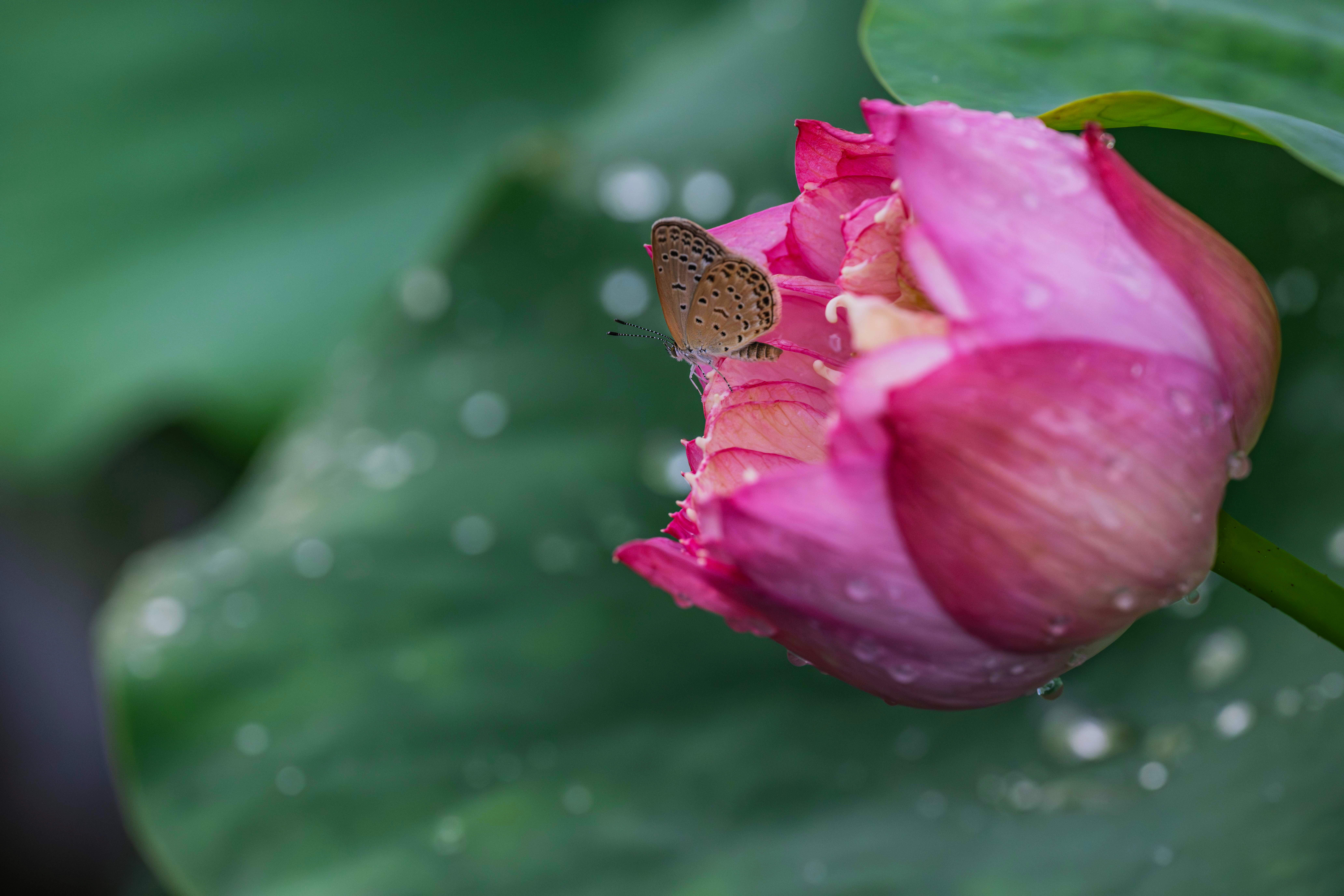
朱長成
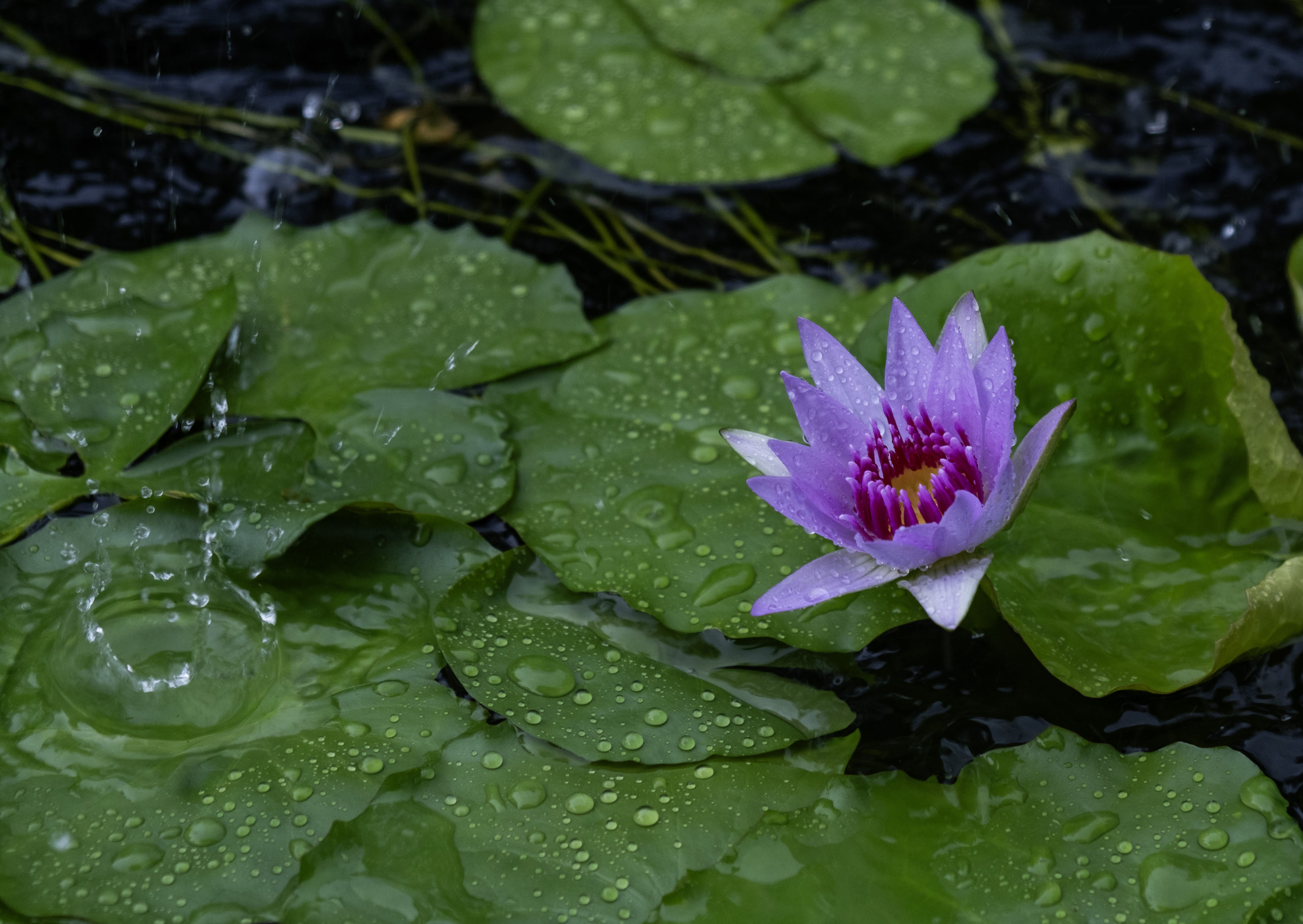
李明威
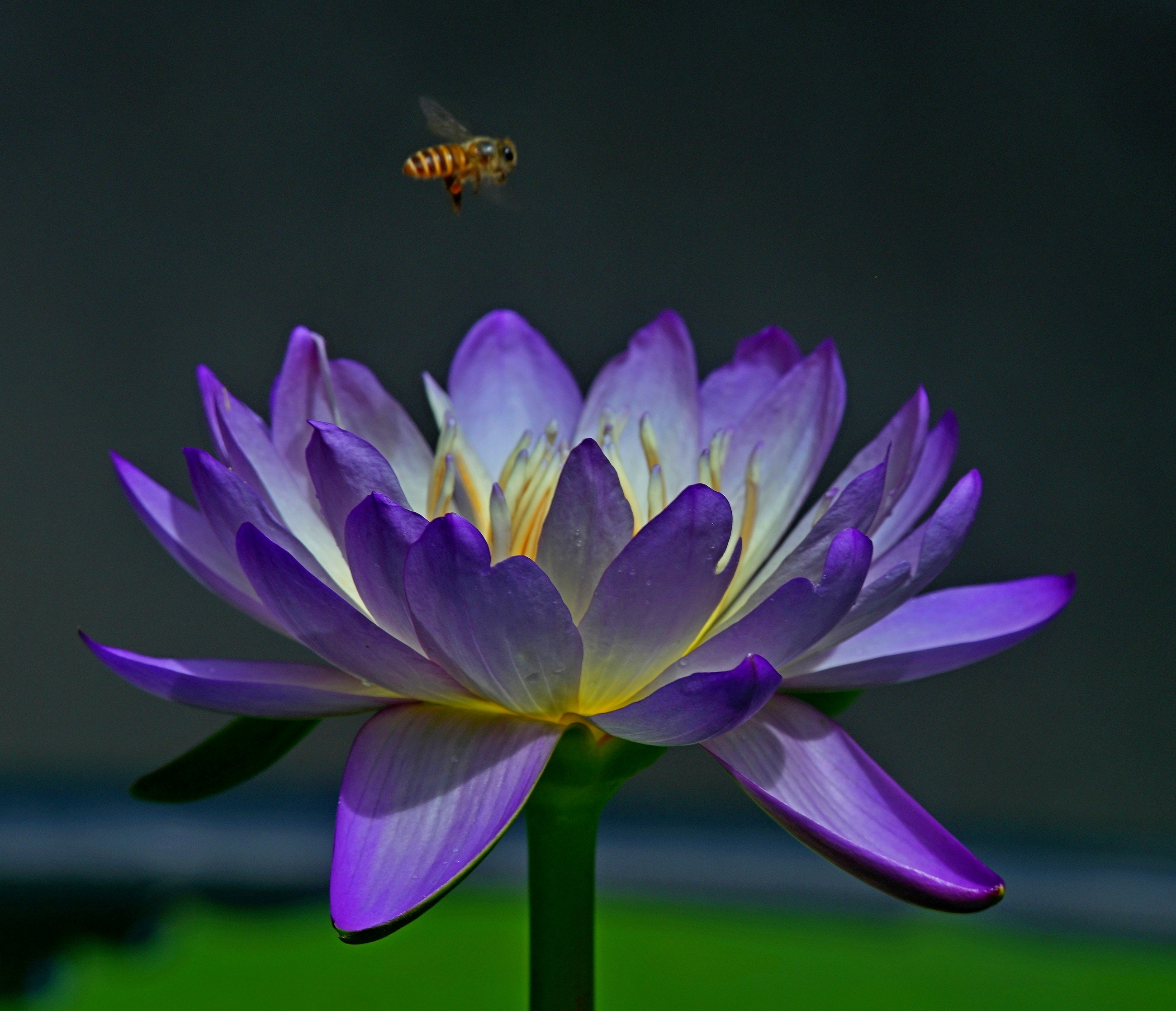
馮兆昌
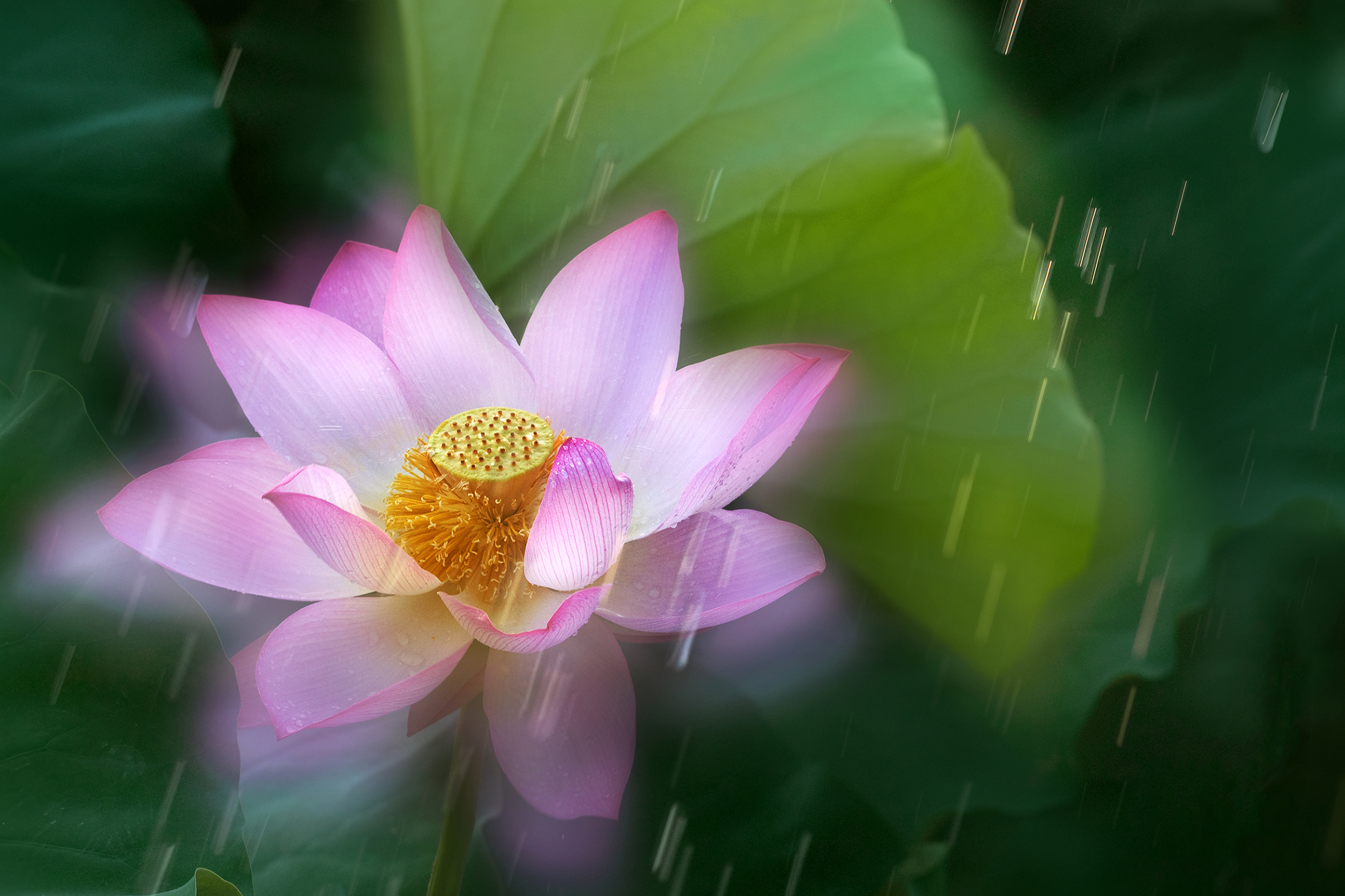
楊佩成
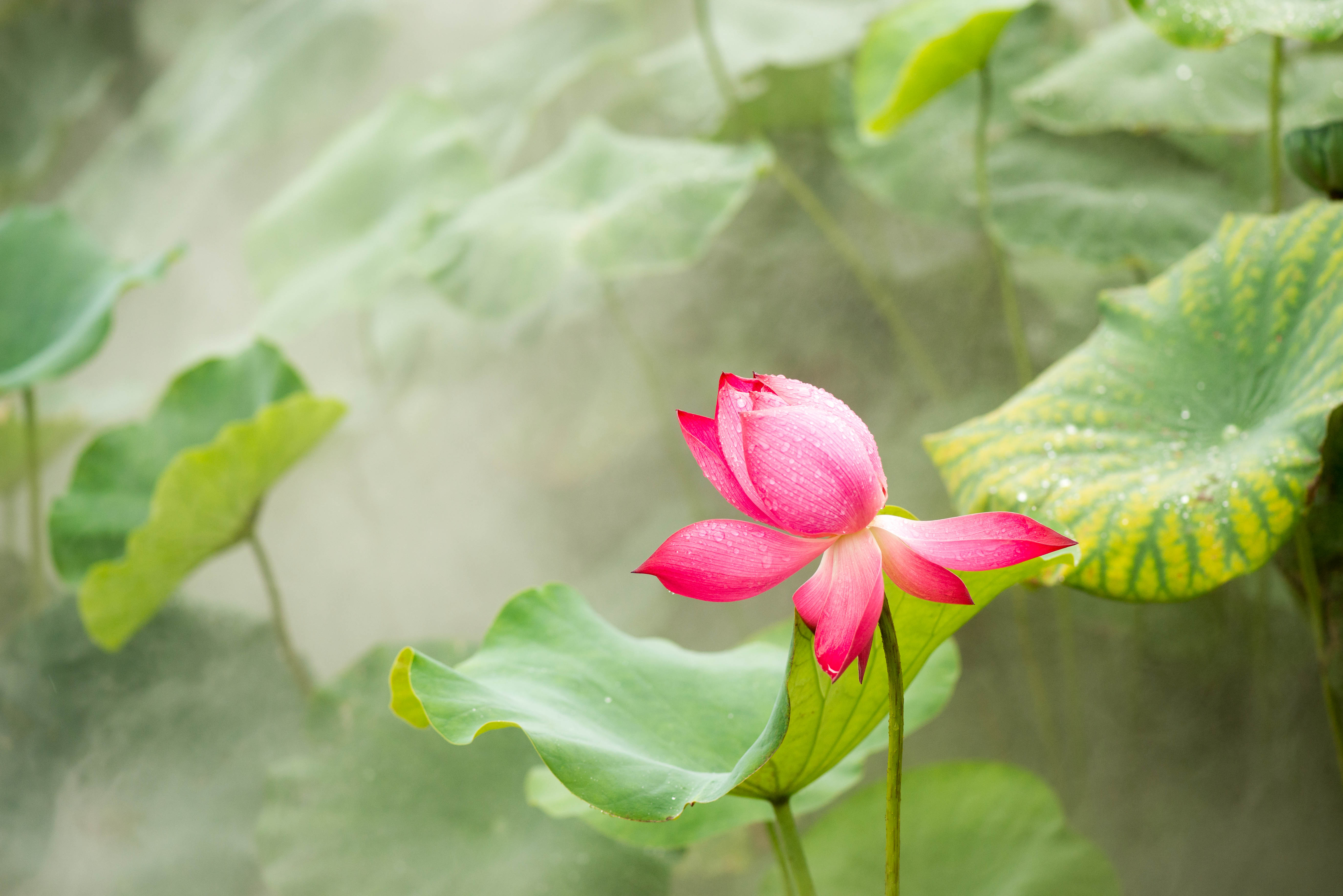
王劍斌
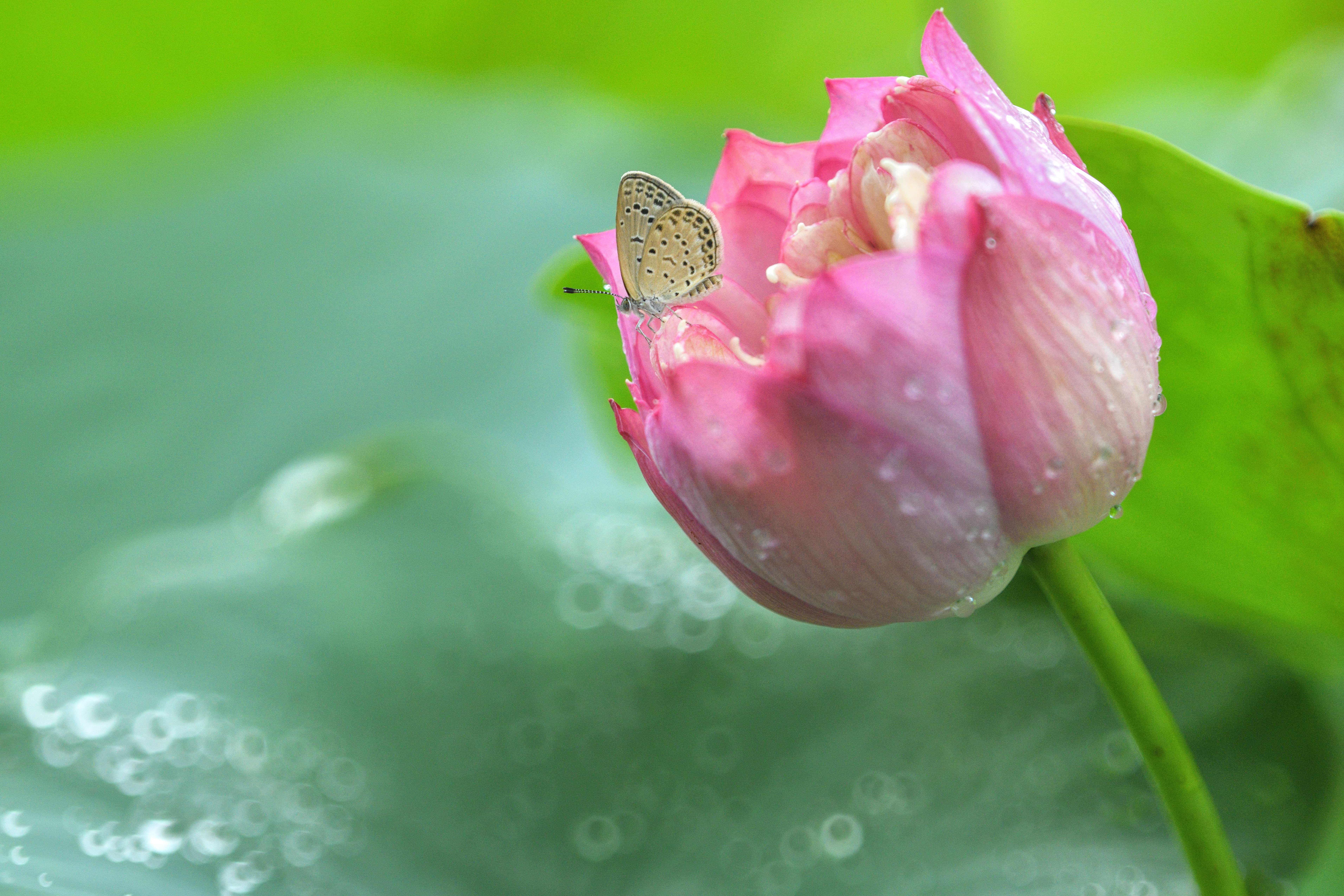
胡健倫
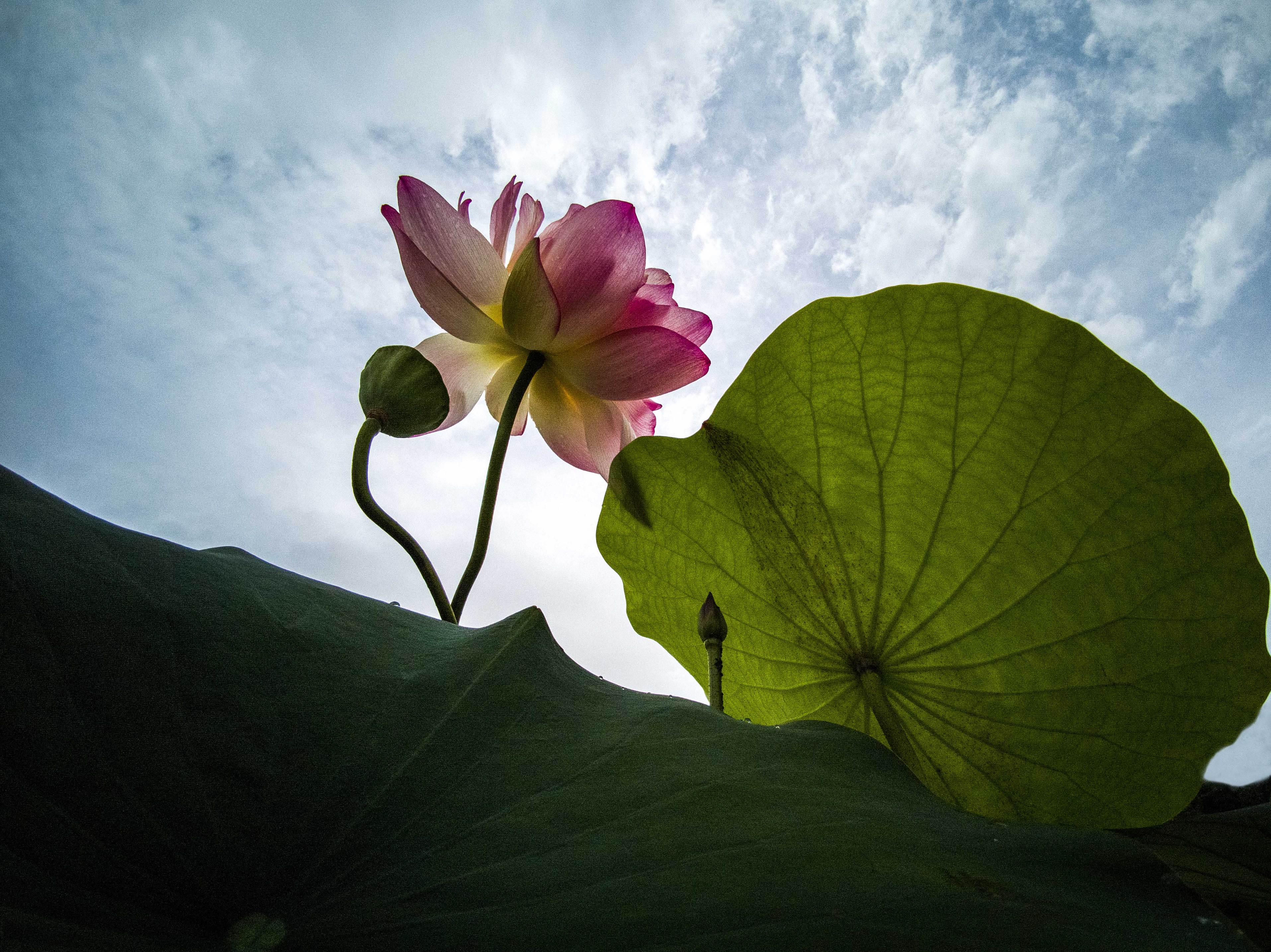
曾佩玲
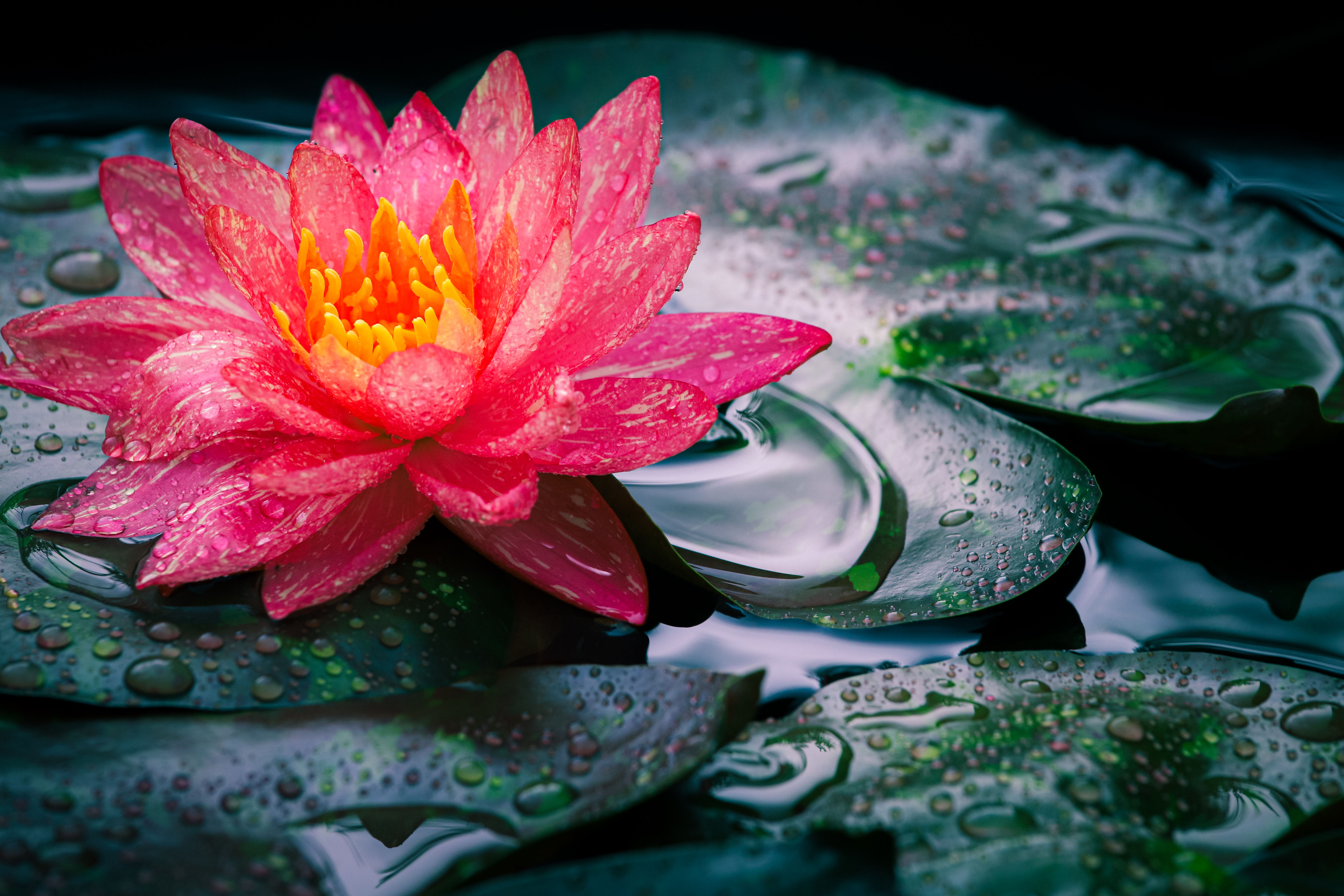
黎金嬌
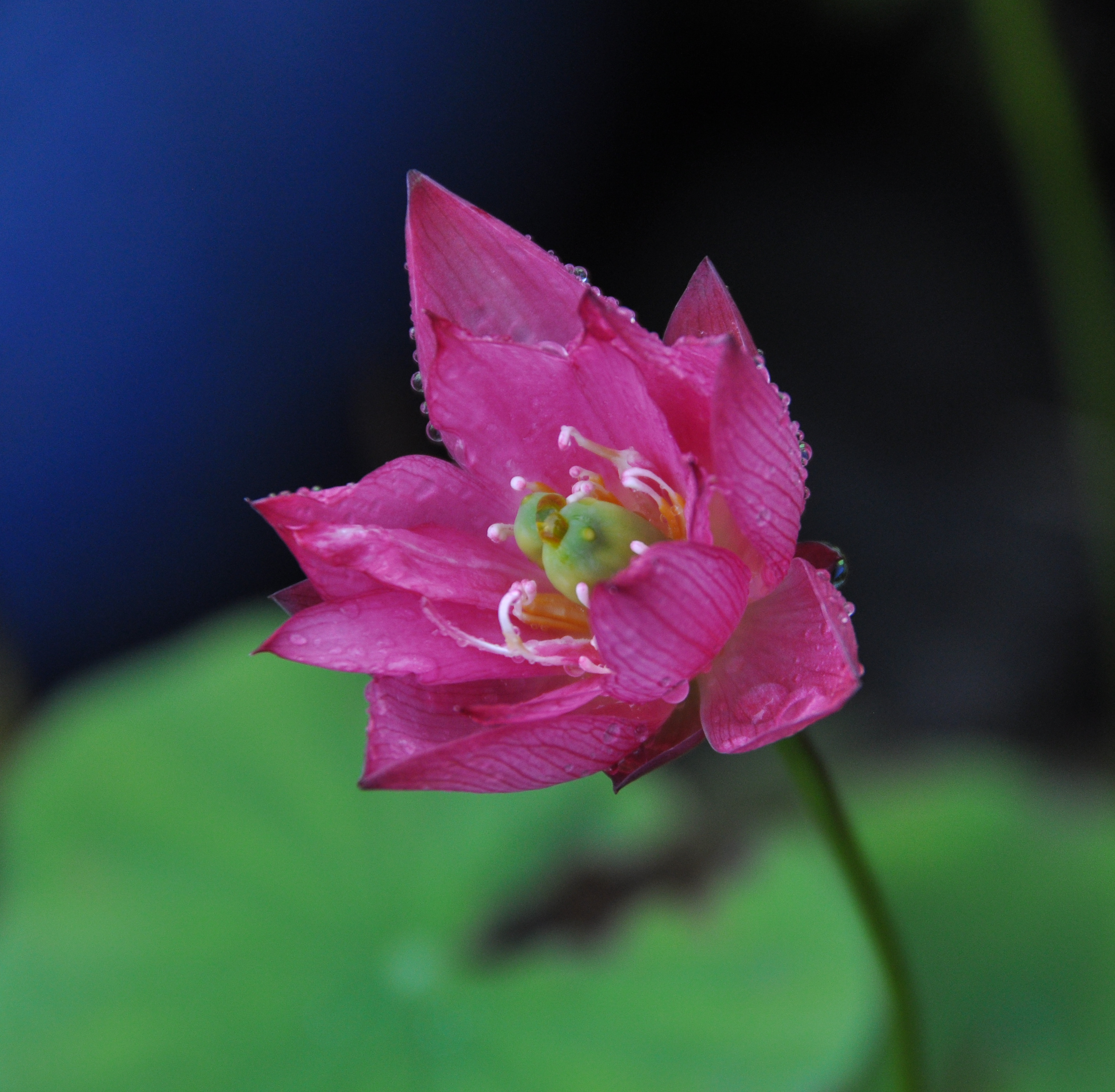
陳玉梅
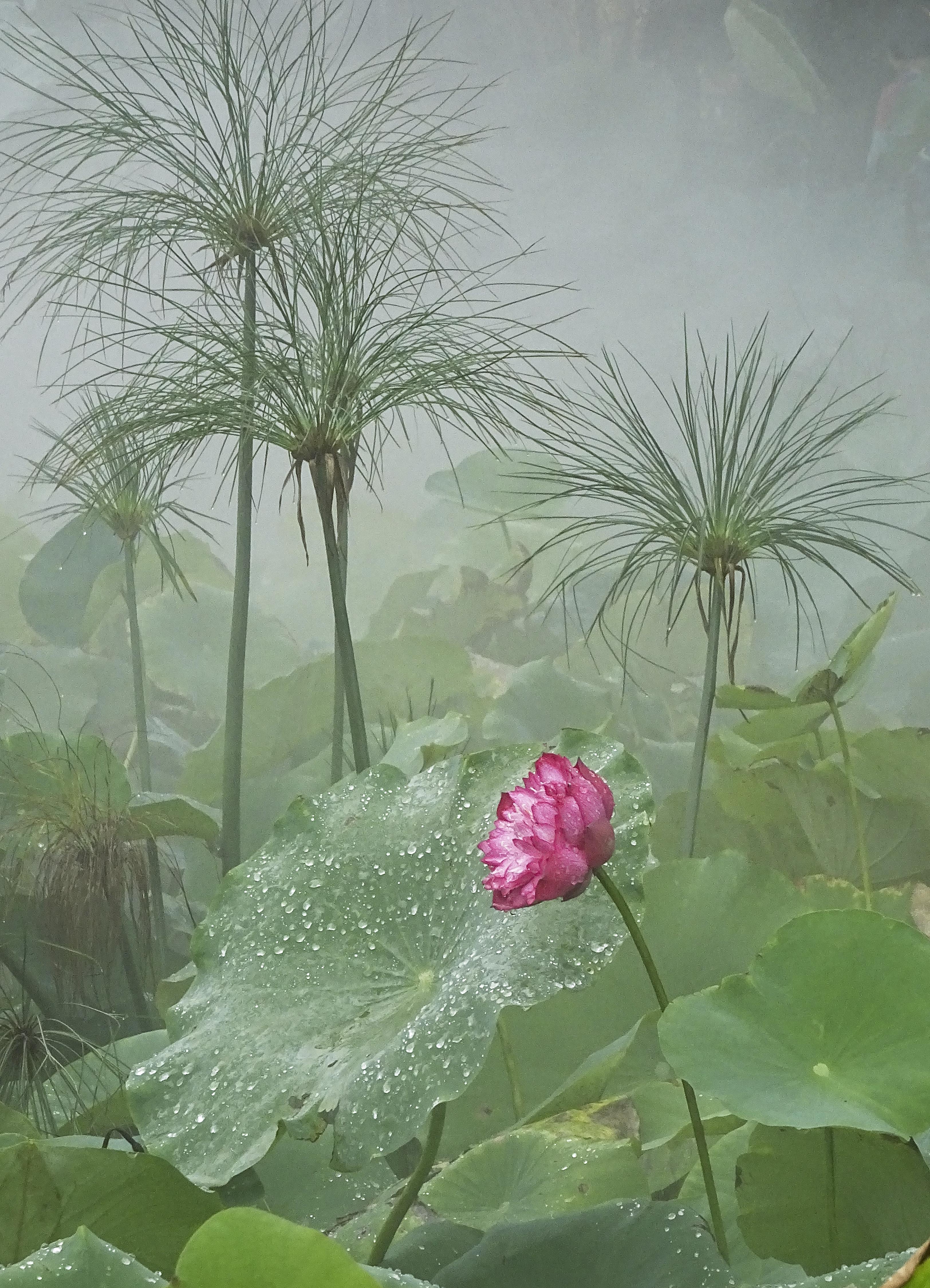
盧麗芳
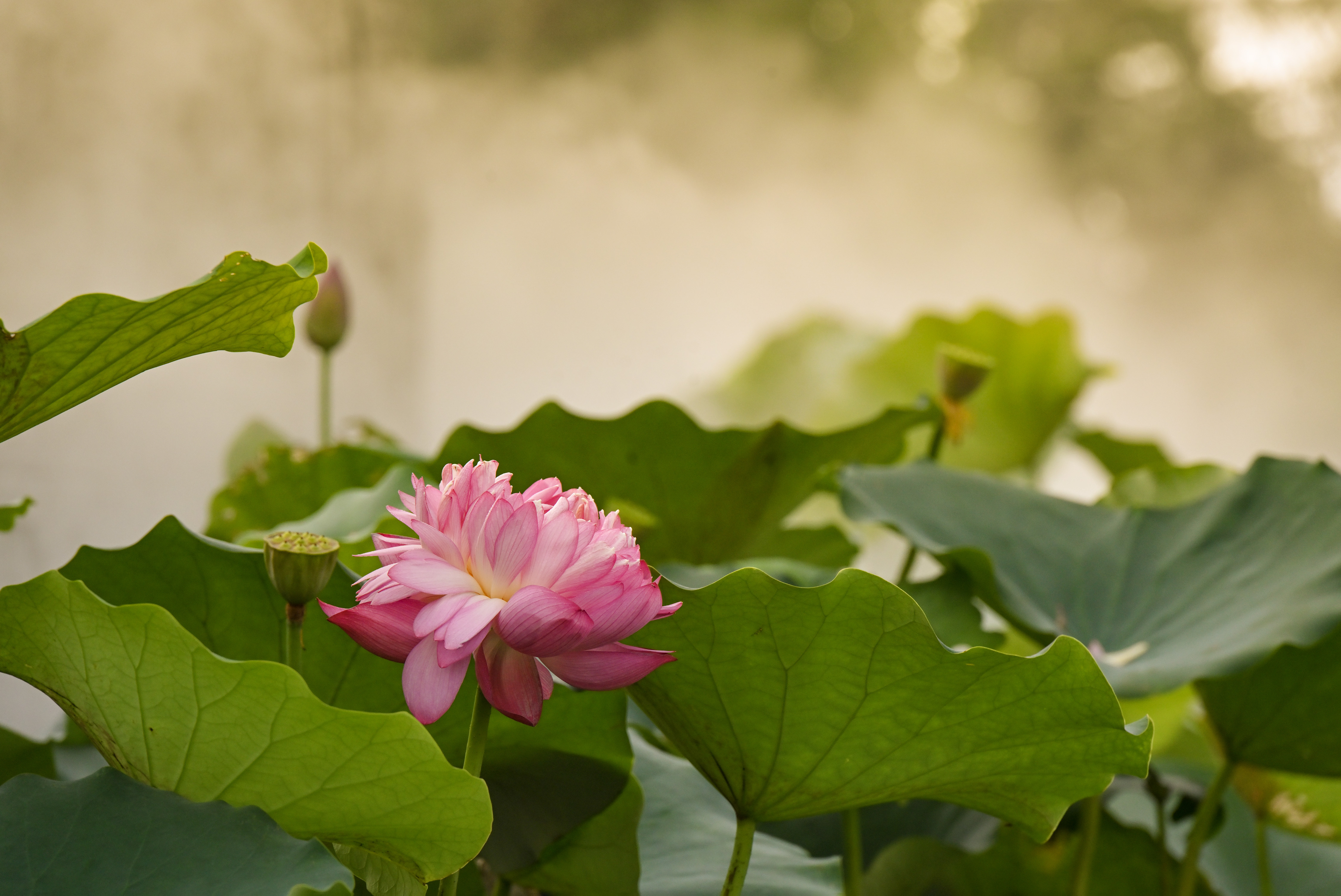
卓孝南
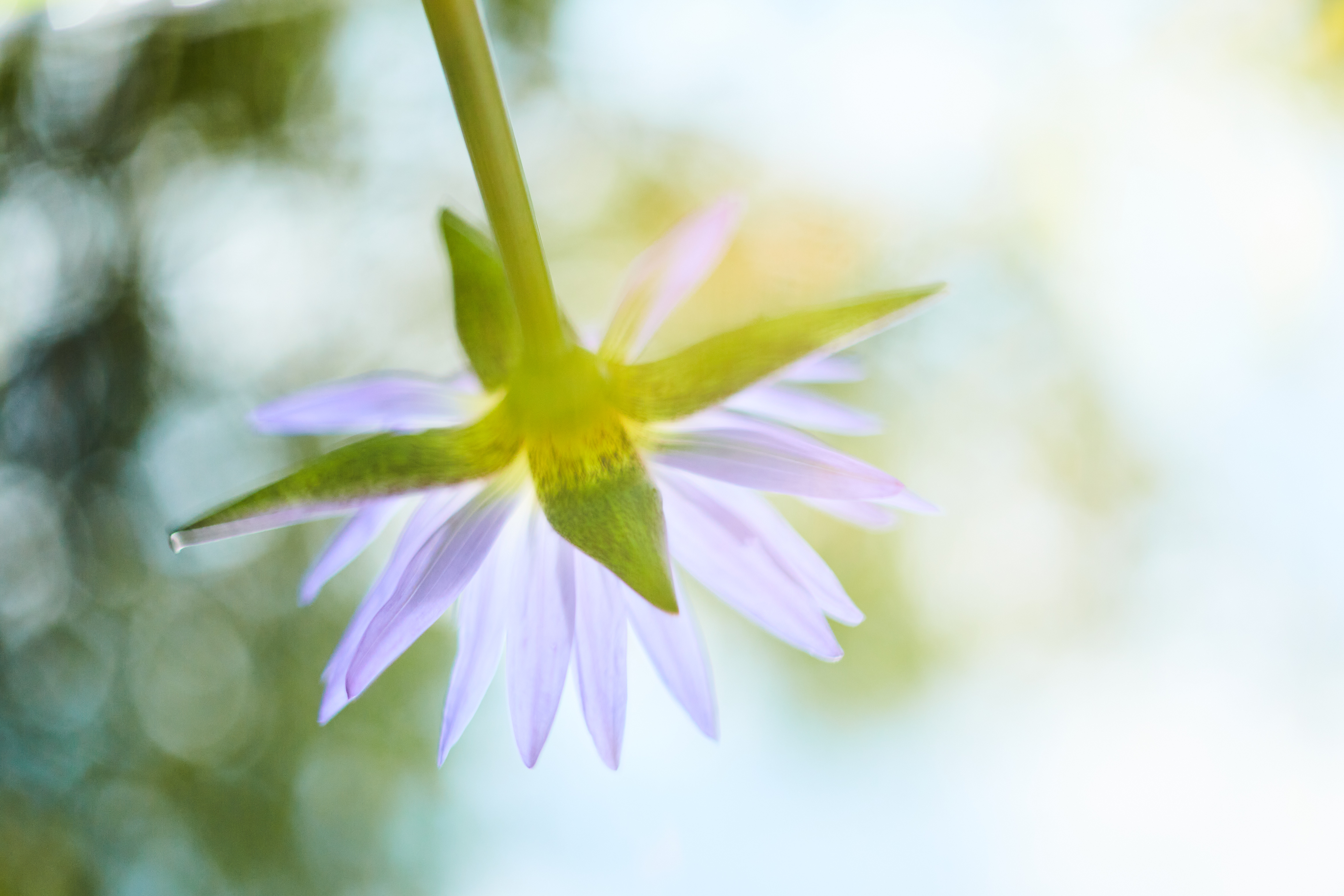
Group B: Snapshots
Ranking
Winners
Winner
李永能
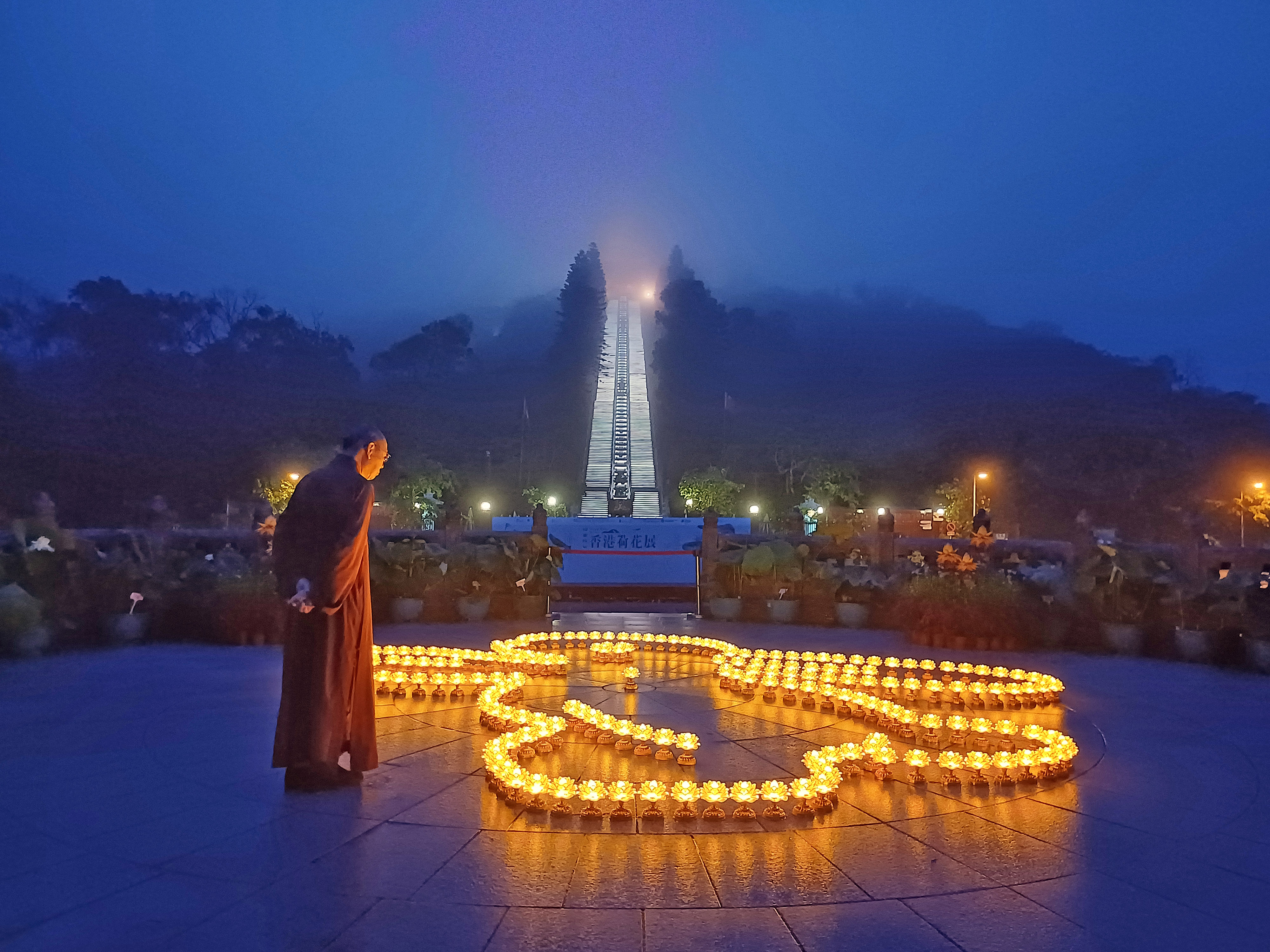
1st Runner-up
劉澍蕤
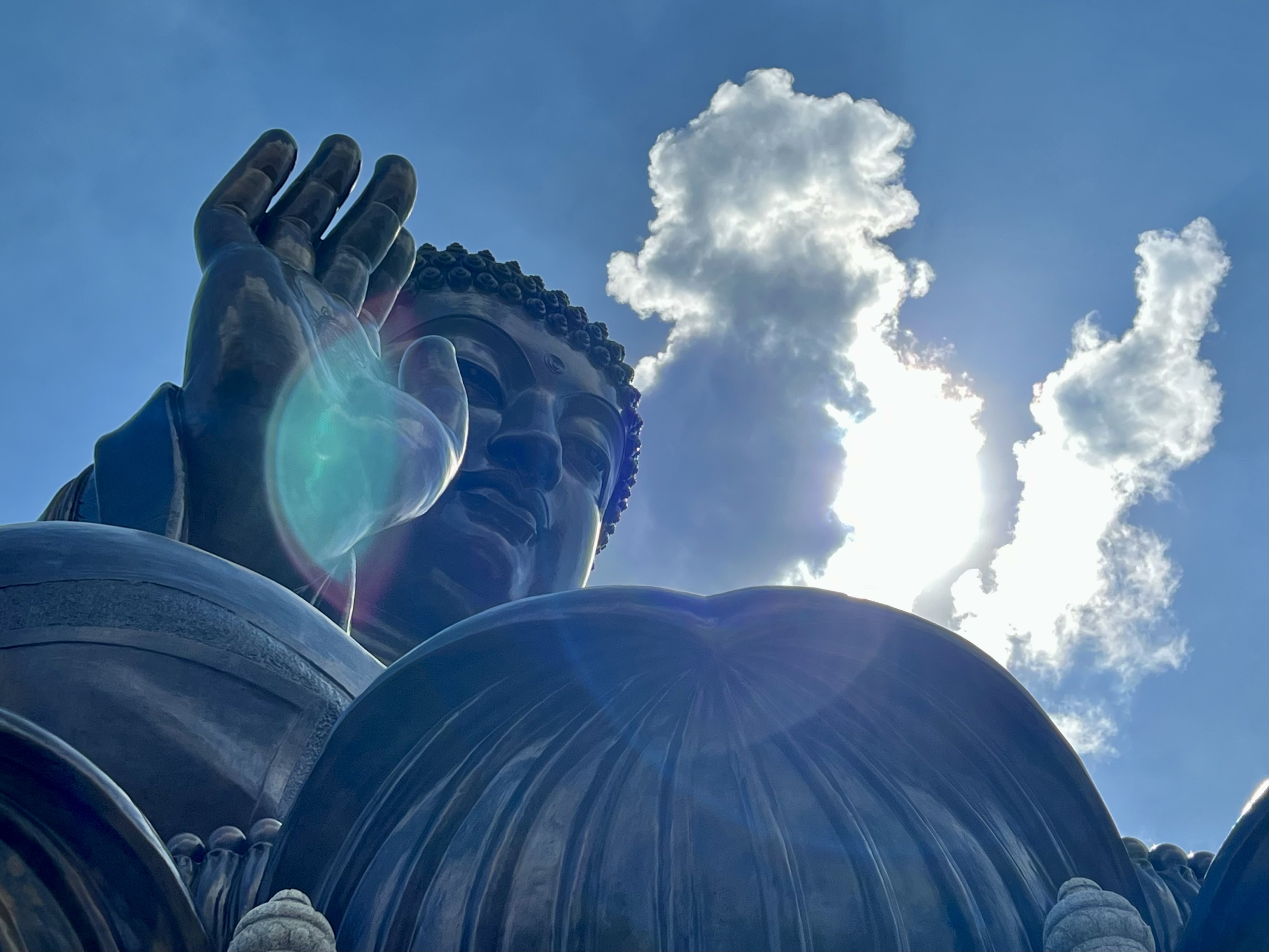
2nd Runner-up
彭力民
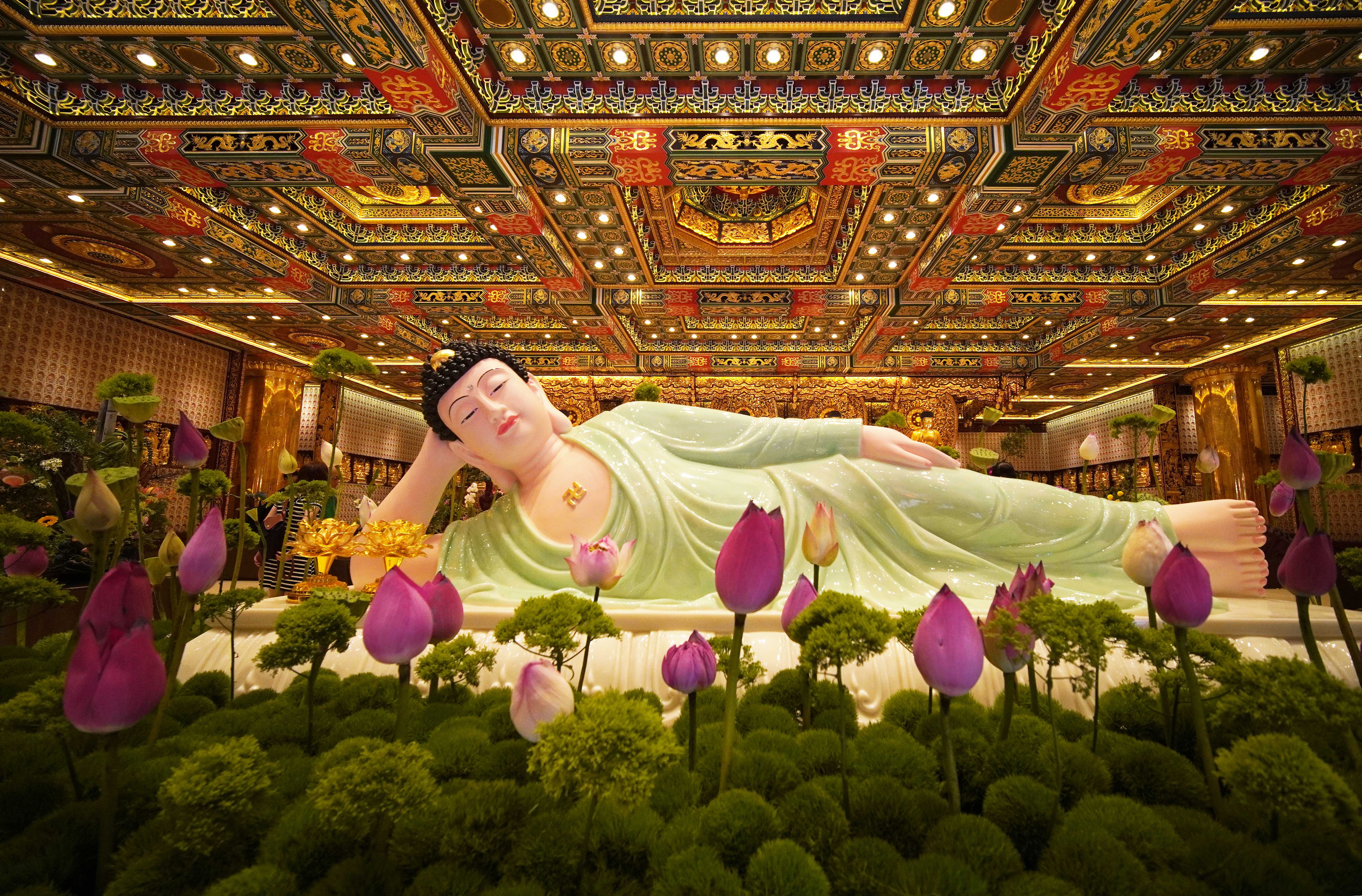
Merit
邱奕淯
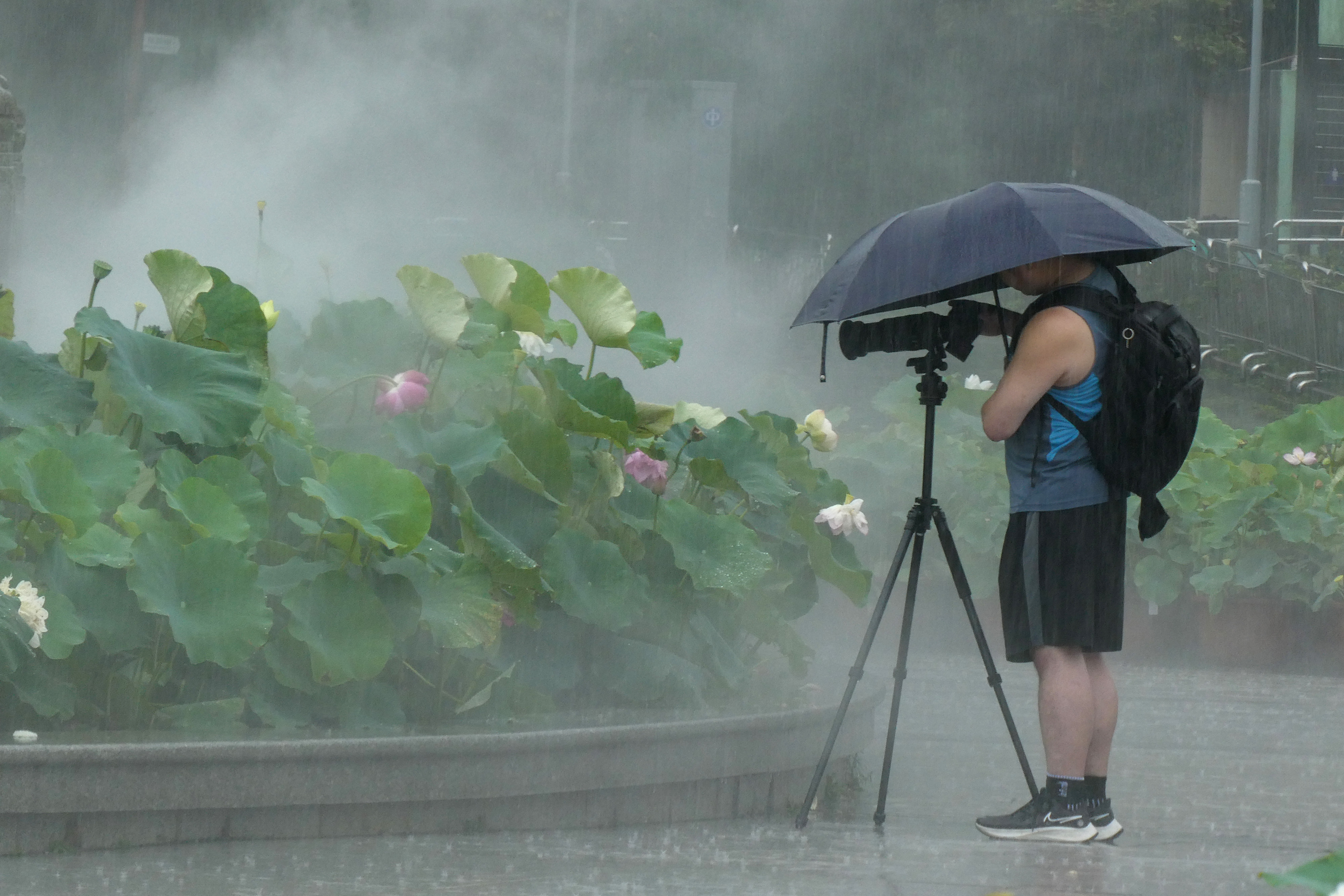
張燦榮
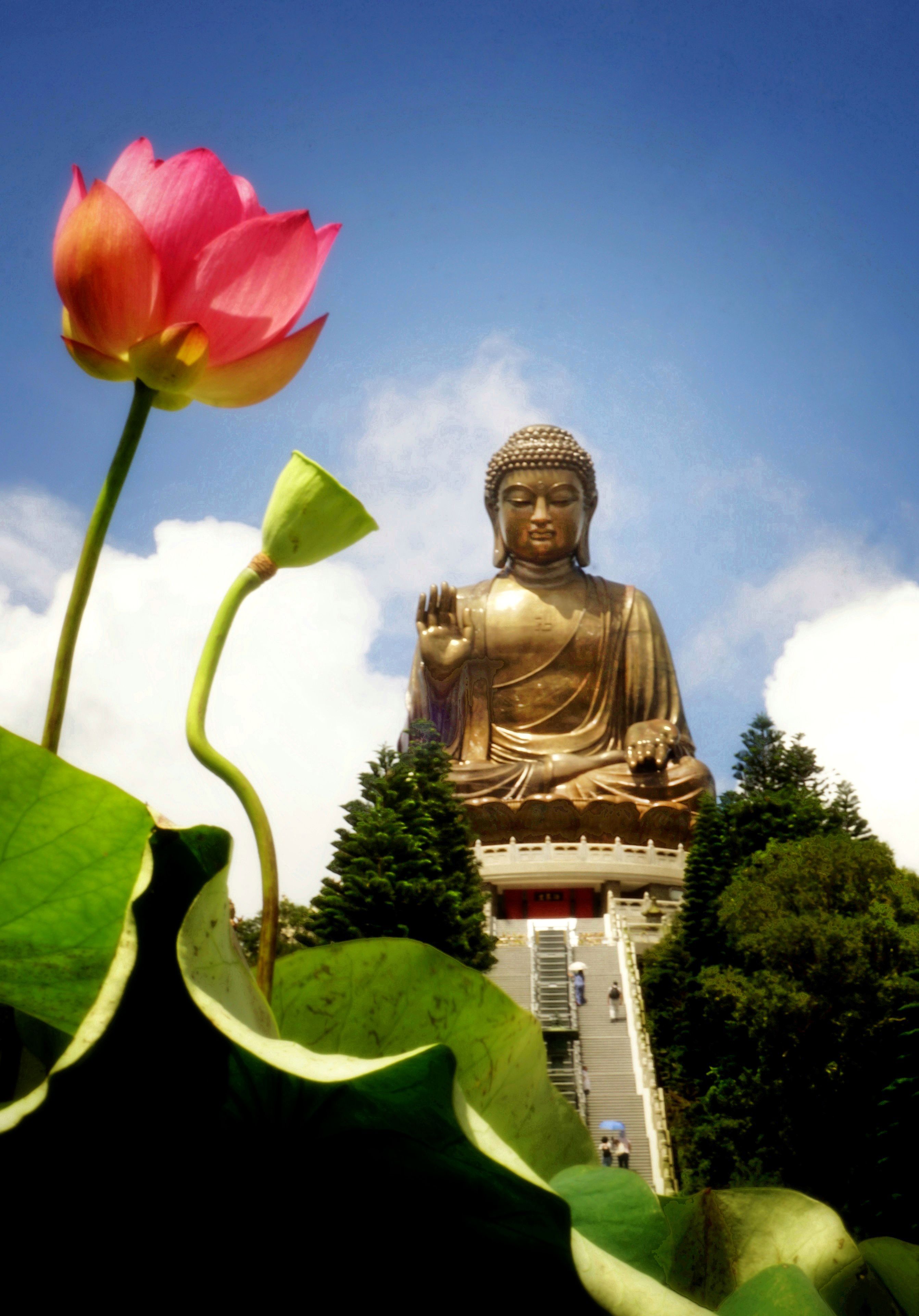
嚴鎮波
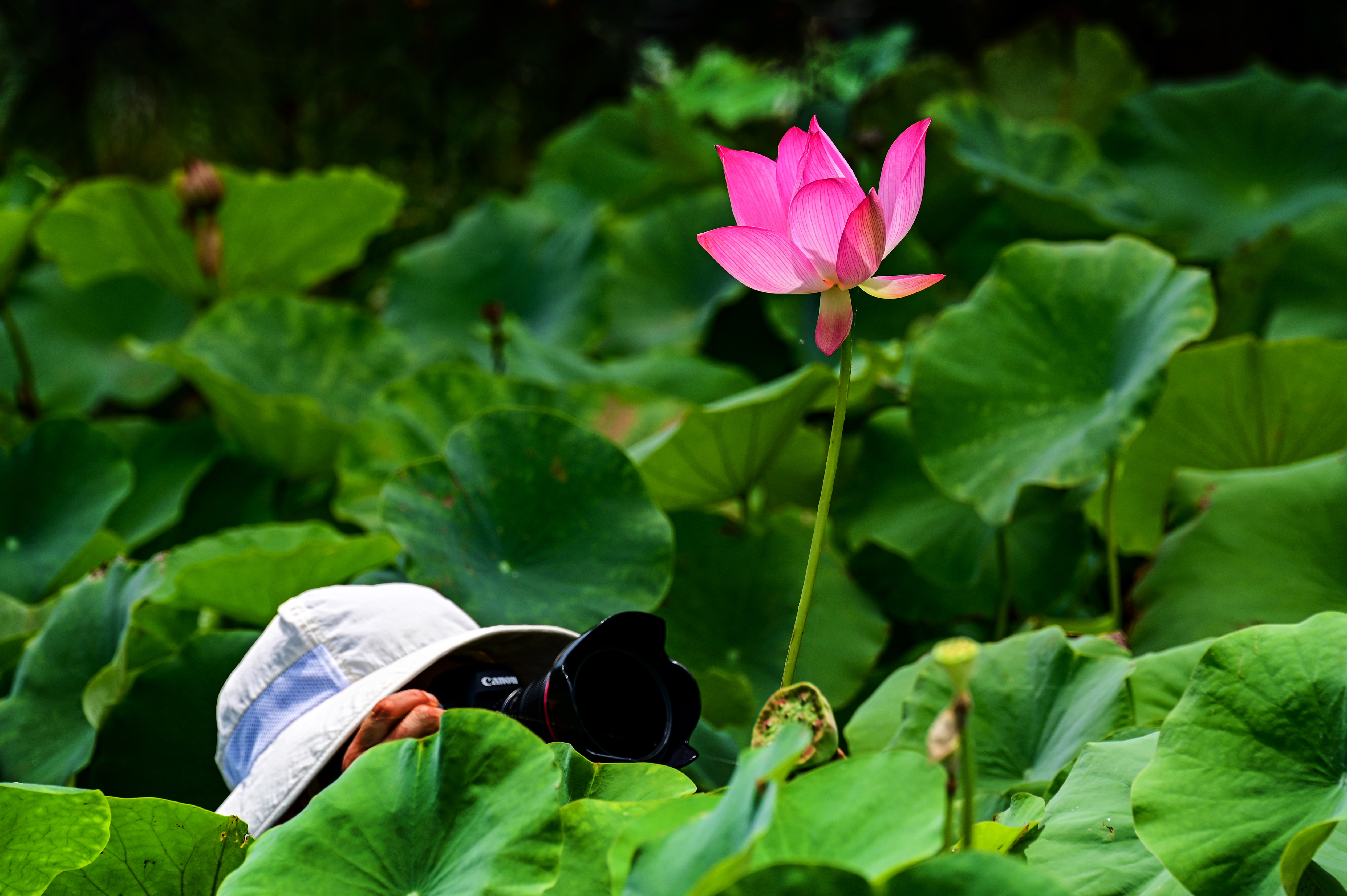
邵偉峰
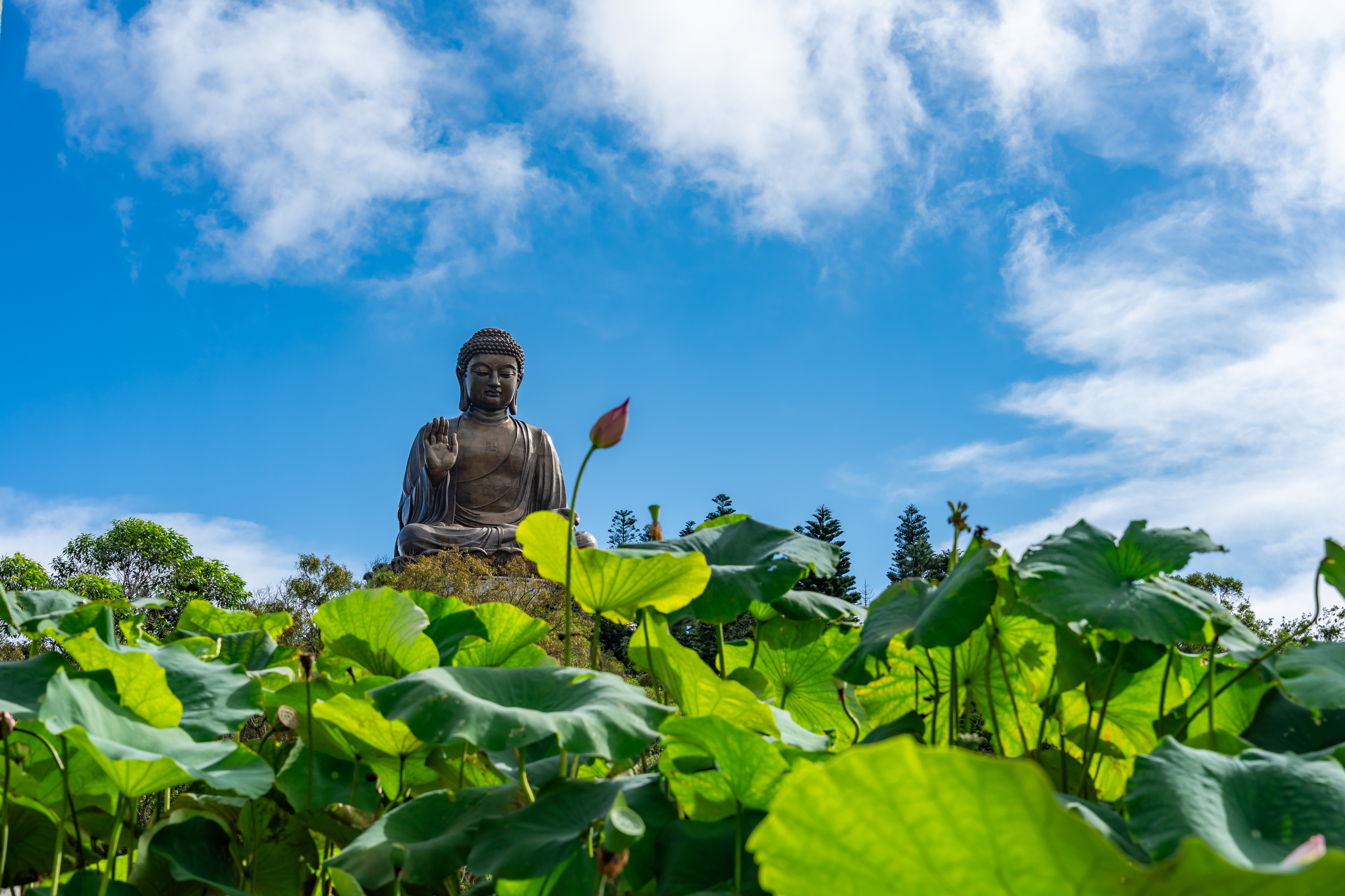
彭廣安
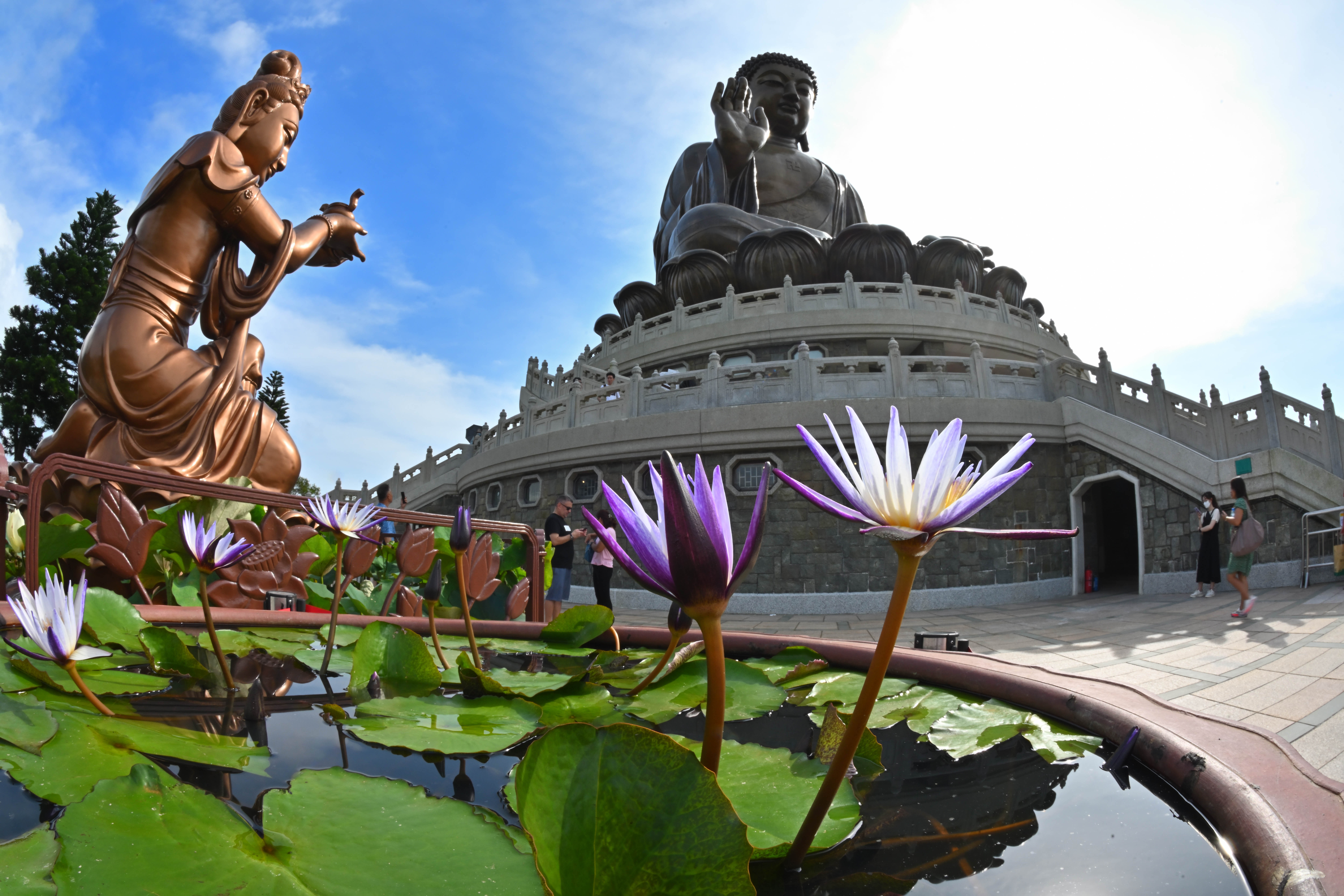
何佩琪
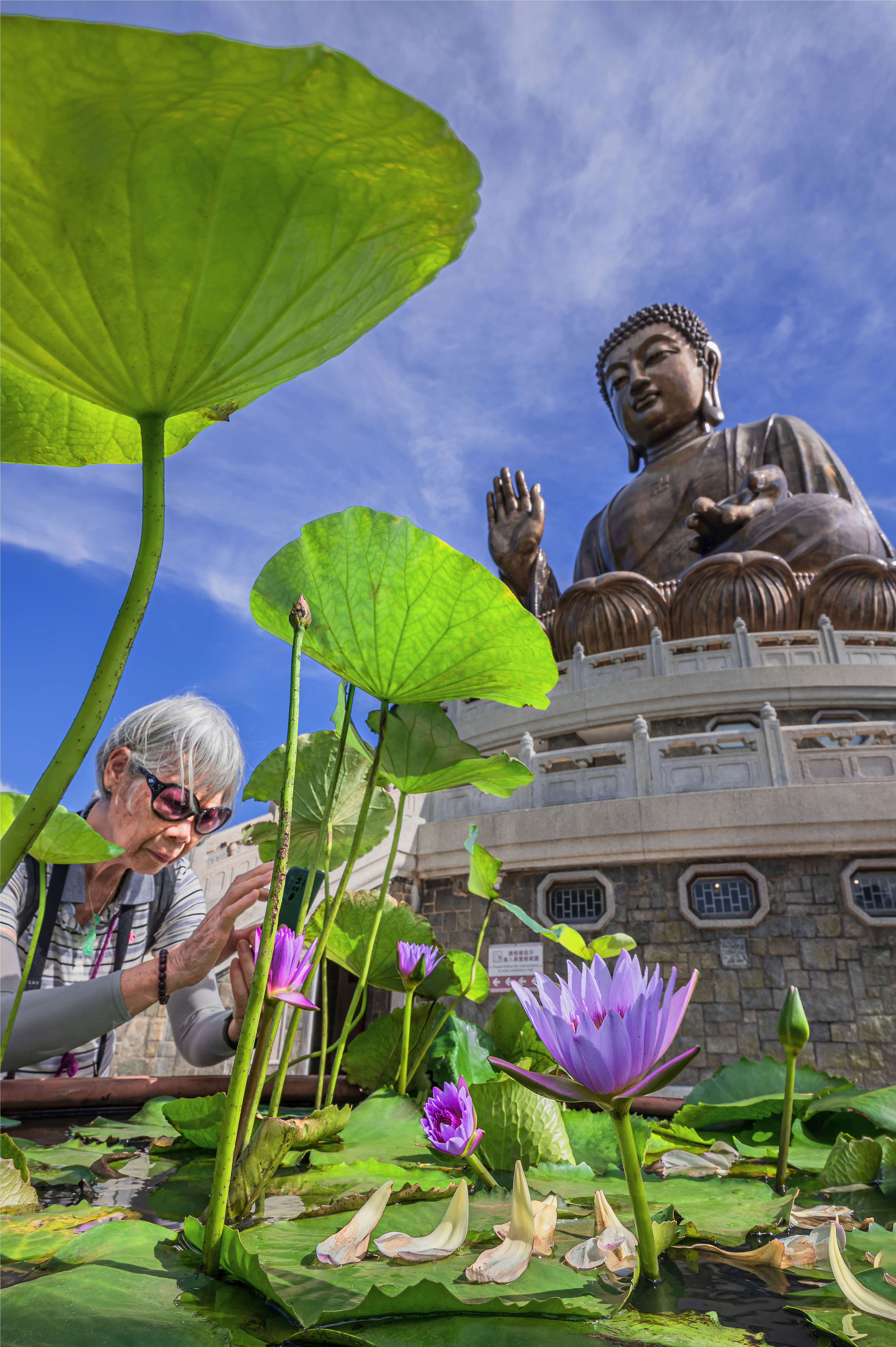
蘇淑芬
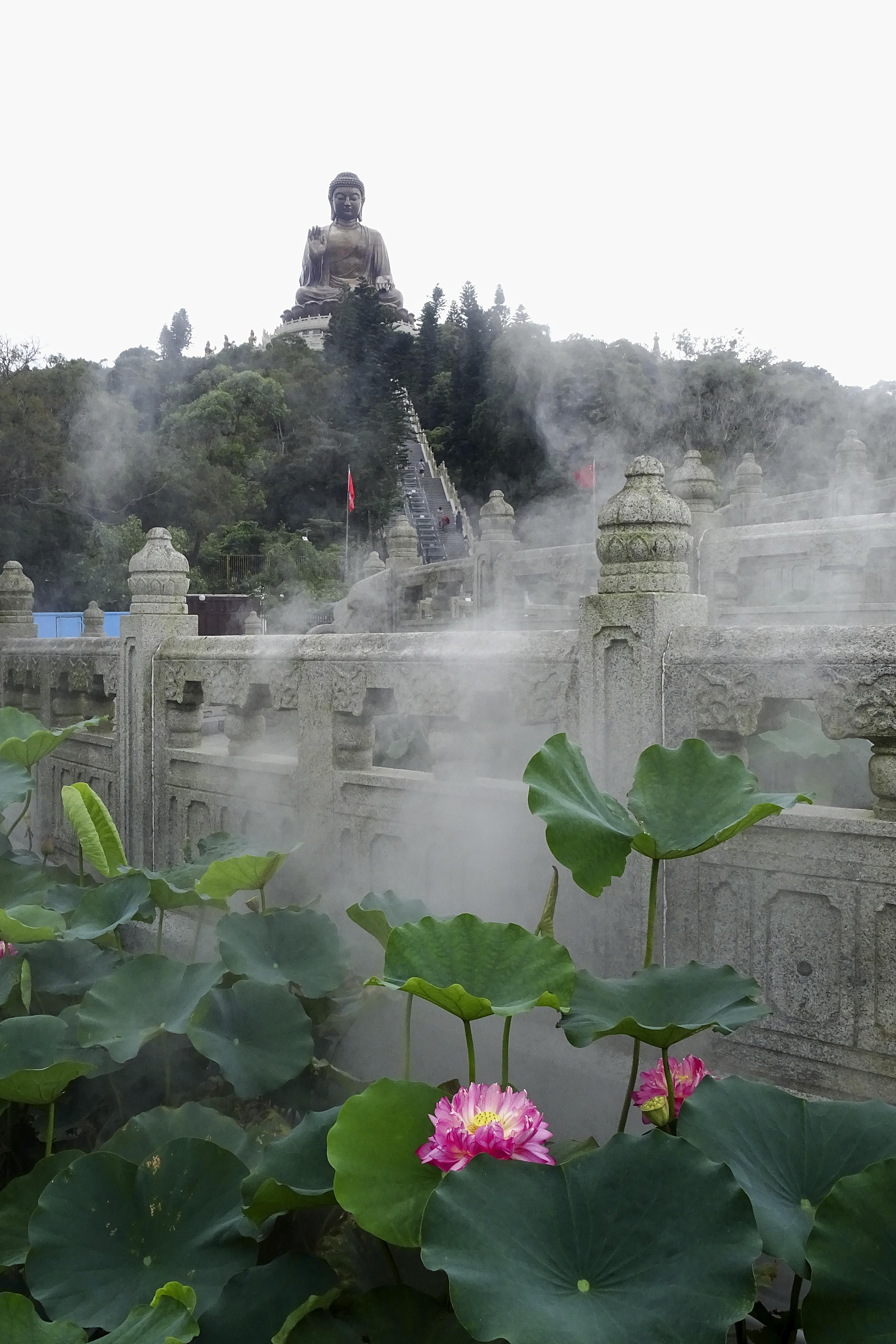
崔日富
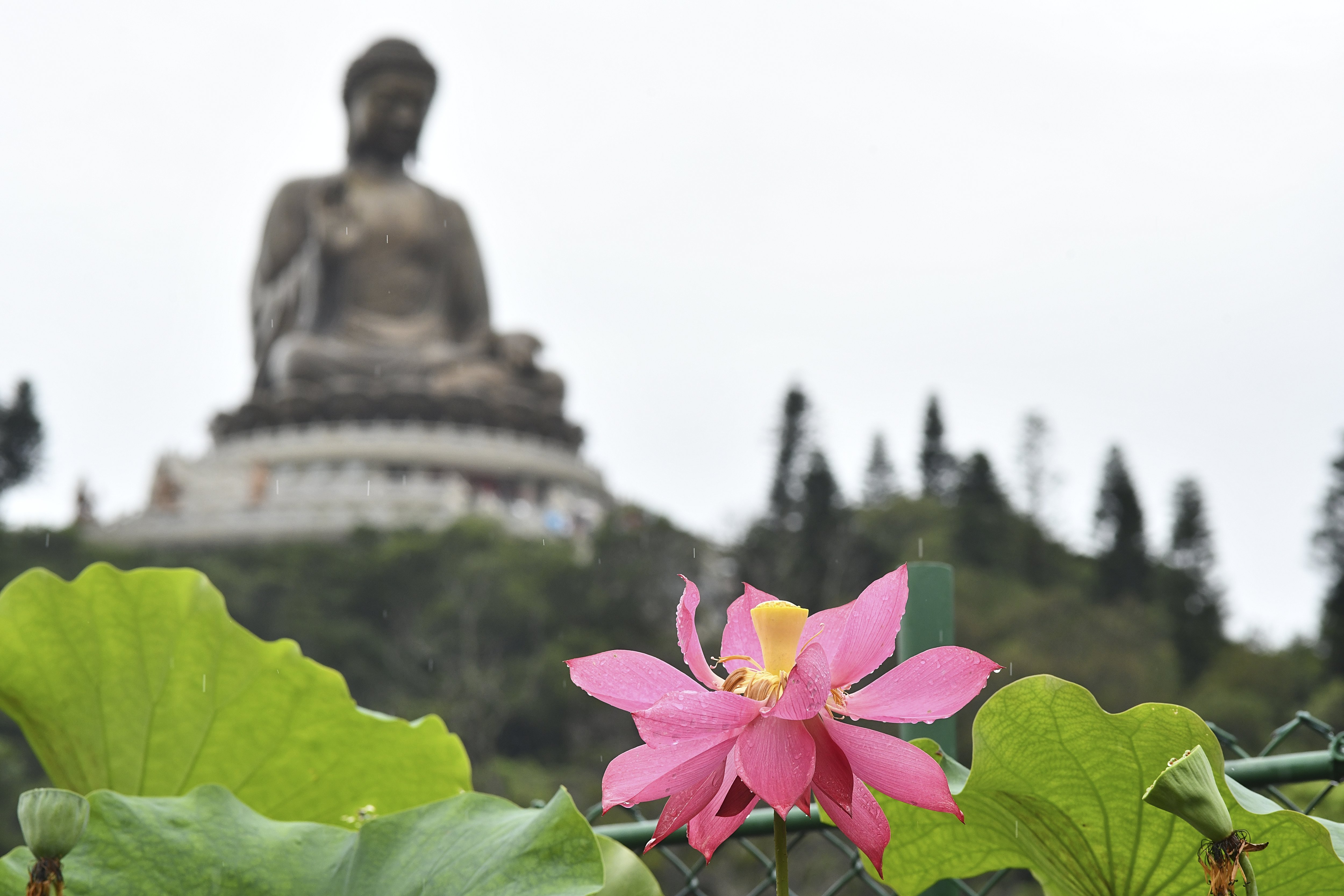
陳杏霖
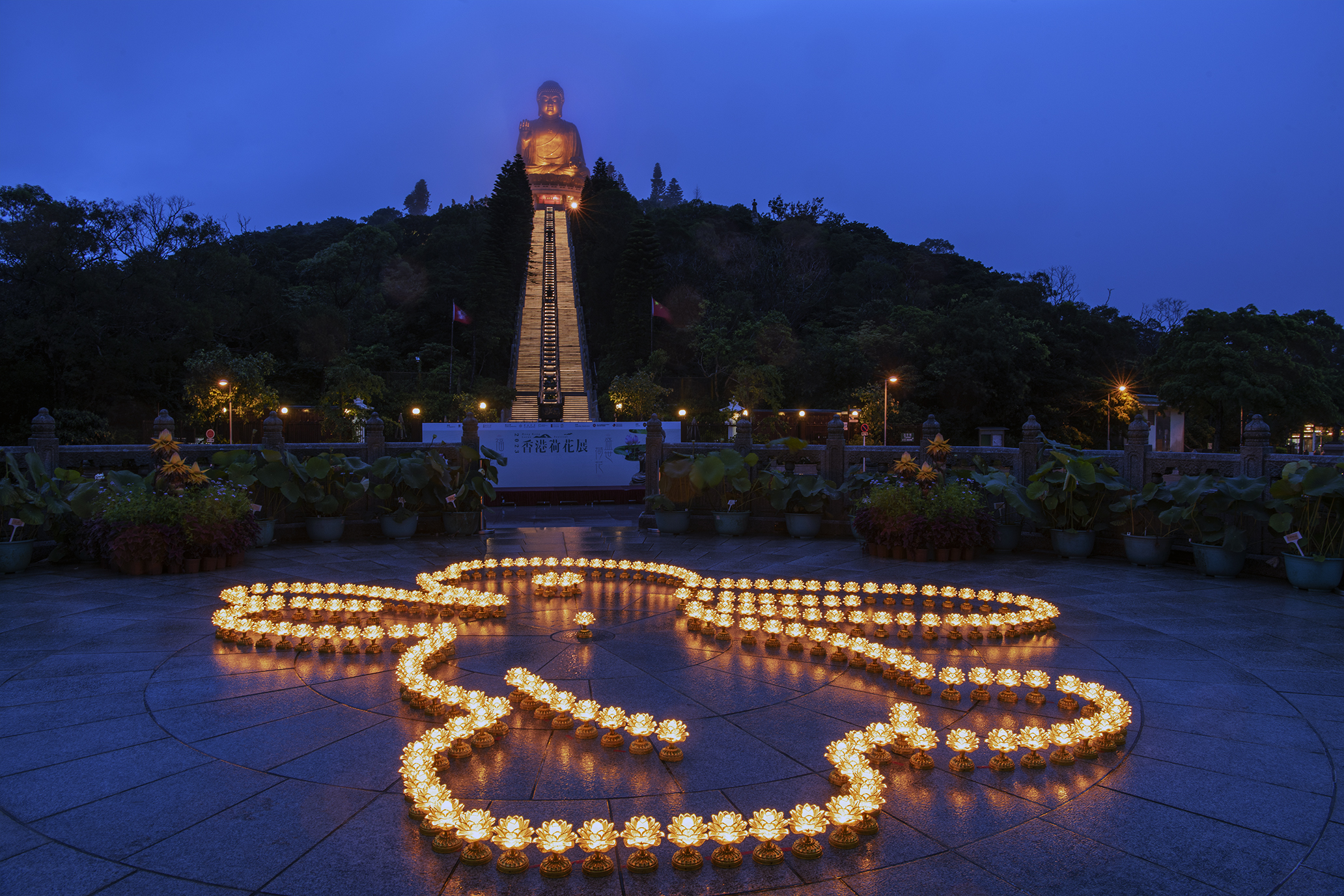
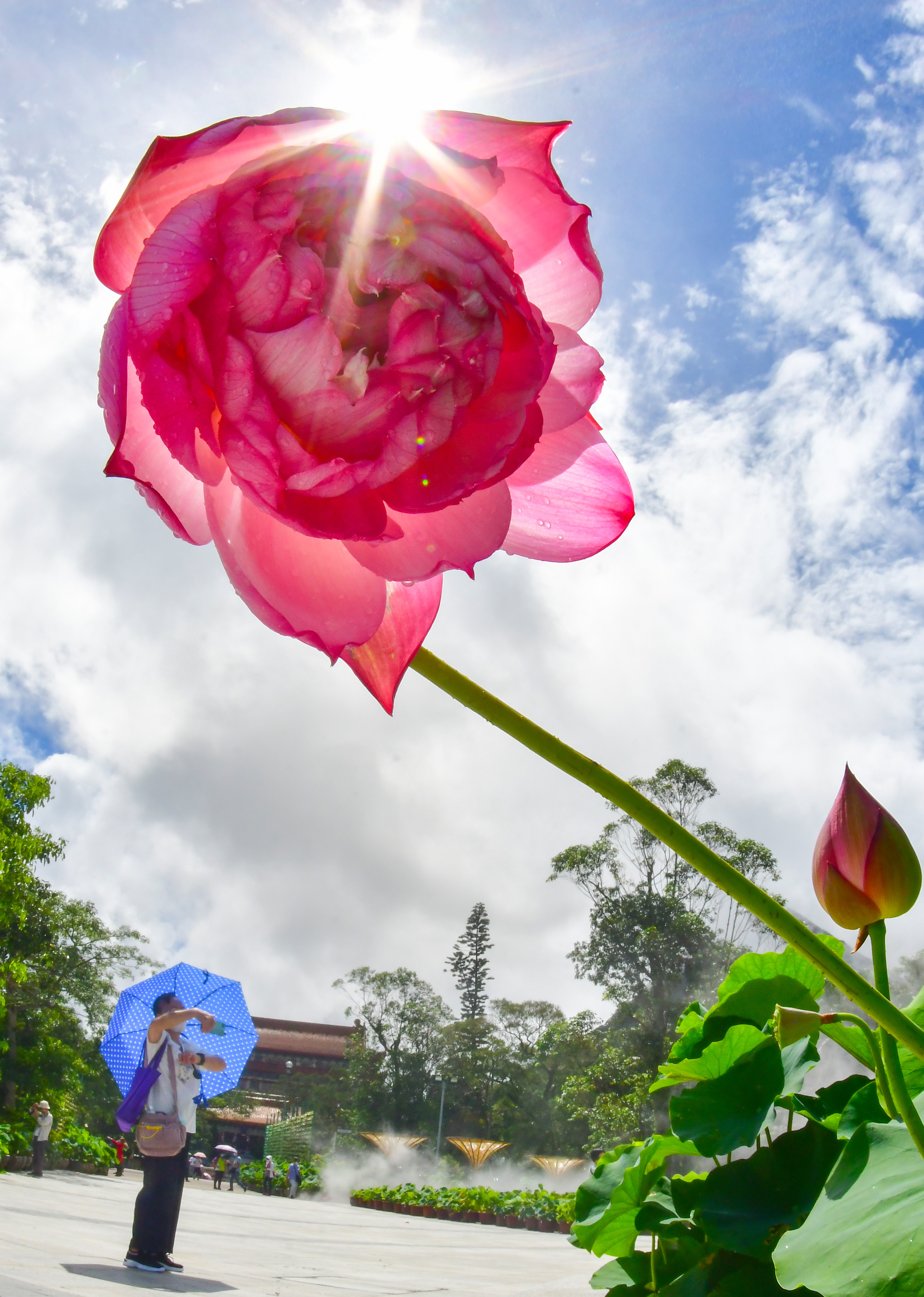
杜子勝
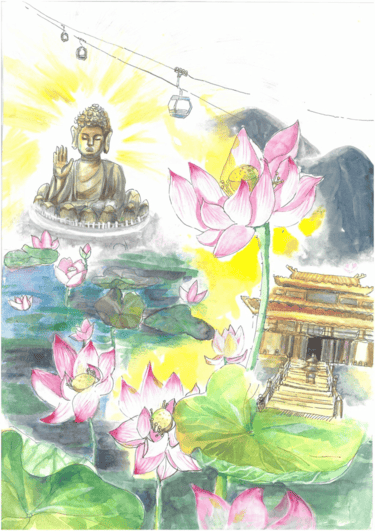
為配合荷花展的Theme,寶蓮禪寺舉行了「2023香港荷花展學童繪畫比賽」,參賽組別分為初小(小一至小三)組及高小(小四至小六)組,期望透過繪畫荷花,啟發學童以蓮為師,出淤泥而不染,養成君子之風。
各組別精選獲獎作品如下:
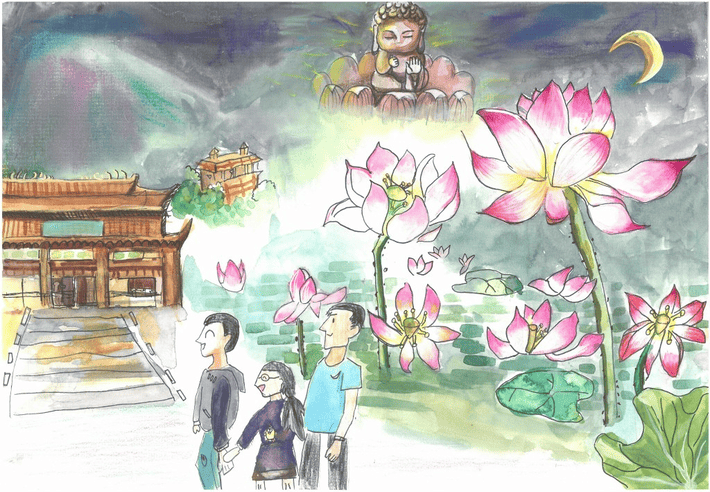
初小組
Winner
朱雅雯(香海正覺蓮社佛教正慧小學)
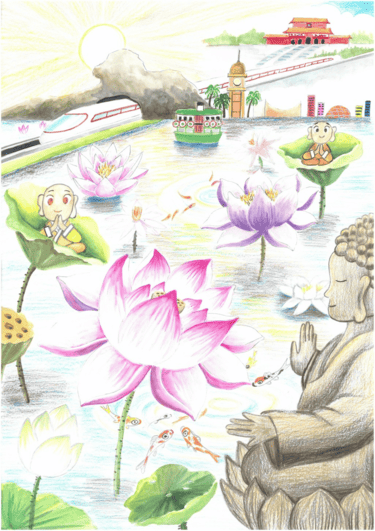
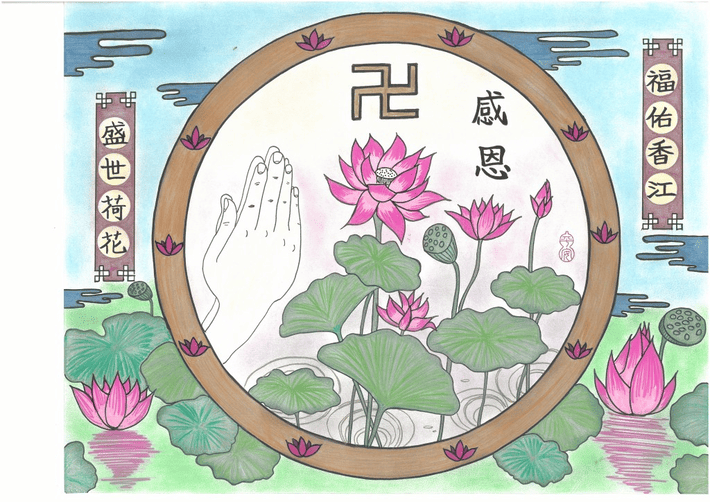
1st Runner-up
楊潁芯(香海正覺蓮社佛教正慧小學)
2nd Runner-up
呂浩翔(佛教林金殿紀念小學)
高小組
Winner
王睿熙(寶血會培靈學校)
1st Runner-up
李咏瞳(香海正覺蓮社佛教正慧小學)
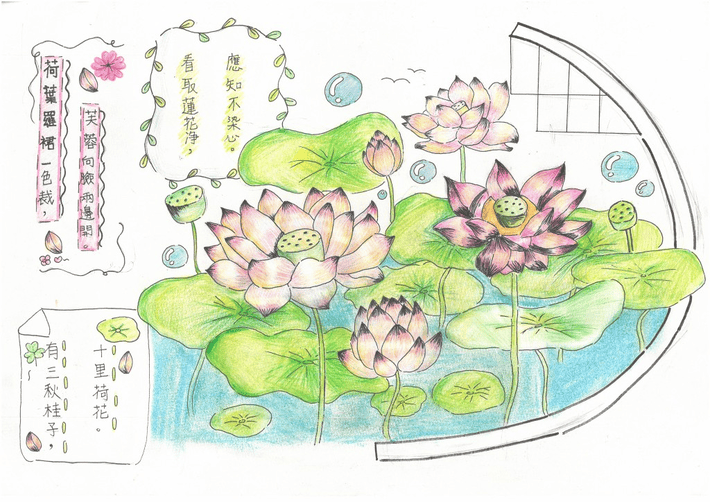
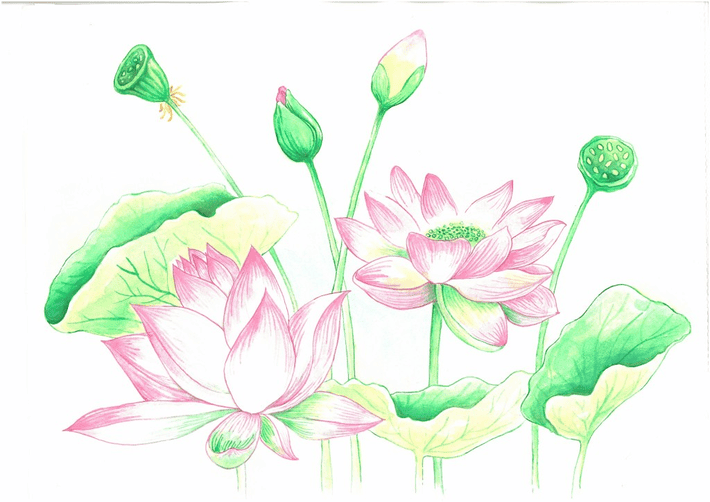
2nd Runner-up
李承熹(彩雲聖若瑟小學)
Photography Contest 2026
The 2026 Hong Kong Lotus Festival, organized by Po Lin Monastery and the Institute of Horticulture (Hong Kong), will be held from June 20 to July 2. During this period, Po Lin Monastery and the Tian Tan Buddha will be transformed into a lotus fairyland, showcasing various rare lotus species. The event is free and open to the public and tourists.
Purpose
To showcase the beauty and characteristics of the lotus and water lilies in the venue through wonderful photographs taken by contestants, expressing the integration of lotus with people and scenery, and capturing various activities of the Lotus Festival.
Categories
Contestants may participate in one or more categories:
Group A: Flowers (Photos of lotus or water lilies taken at the venue during the 2026 Hong Kong Lotus Festival)
Group B: Snapshots (Featured photos taken at the venue during the 2026 Hong Kong Lotus Festival)
Note: No prior registration is required, but contestants must enter the venue to take photos during the exhibition period. All entries must feature lotus or water lilies as the theme.
Group A: Flowers (Photos of lotus or water lilies taken at the venue during the 2026 Hong Kong Lotus Festival)
Group B: Snapshots (Featured photos taken at the venue during the 2026 Hong Kong Lotus Festival)
Note: No prior registration is required, but contestants must enter the venue to take photos during the exhibition period. All entries must feature lotus or water lilies as the theme.
Prizes
Winners in each category will receive the following prizes:
Group A: Flowers
Group B: Snapshots
Group A: Flowers
Winner :
Winner HK$6,000 Electronic Equipment Voucher
1st Runner-up :
HK$4,000 Electronic Equipment Voucher
2nd Runner-up :
HK$3,000 Electronic Equipment Voucher
Merit (20 winners) :
HK$500 Electronic Equipment Voucher
Winner :
HK$6,000 Electronic Equipment Voucher
1st Runner-up :
HK$4,000 Electronic Equipment Voucher
2nd Runner-up :
HK$3,000 Electronic Equipment Voucher
Merit (10 winners) :
HK$500 Electronic Equipment Voucher
Submission and Deadline
Submission Period: From 10:00 AM on June 20, 2026 (Saturday) to 11:59 PM July 20, 2026 (Monday).
Submission Method: Register and upload photos via the following link. Submission time is based on the completion of the entire upload and registration process. Late submissions will not be accepted.
Submission Method: Register and upload photos via the following link. Submission time is based on the completion of the entire upload and registration process. Late submissions will not be accepted.

Judging Pane
Representatives from Po Lin Monastery, Institute of Horticulture (Hong Kong), and photographic societies.
Judging Date
To be held in August 2026.
Results Announcement
Results will be published in September on the Hong Kong Lotus Festival website: https://buddhaland.org.hk/. Winners will also be notified individually.
Exhibition
Group A: Flowers
Ranking
Winners
Theme
Theme
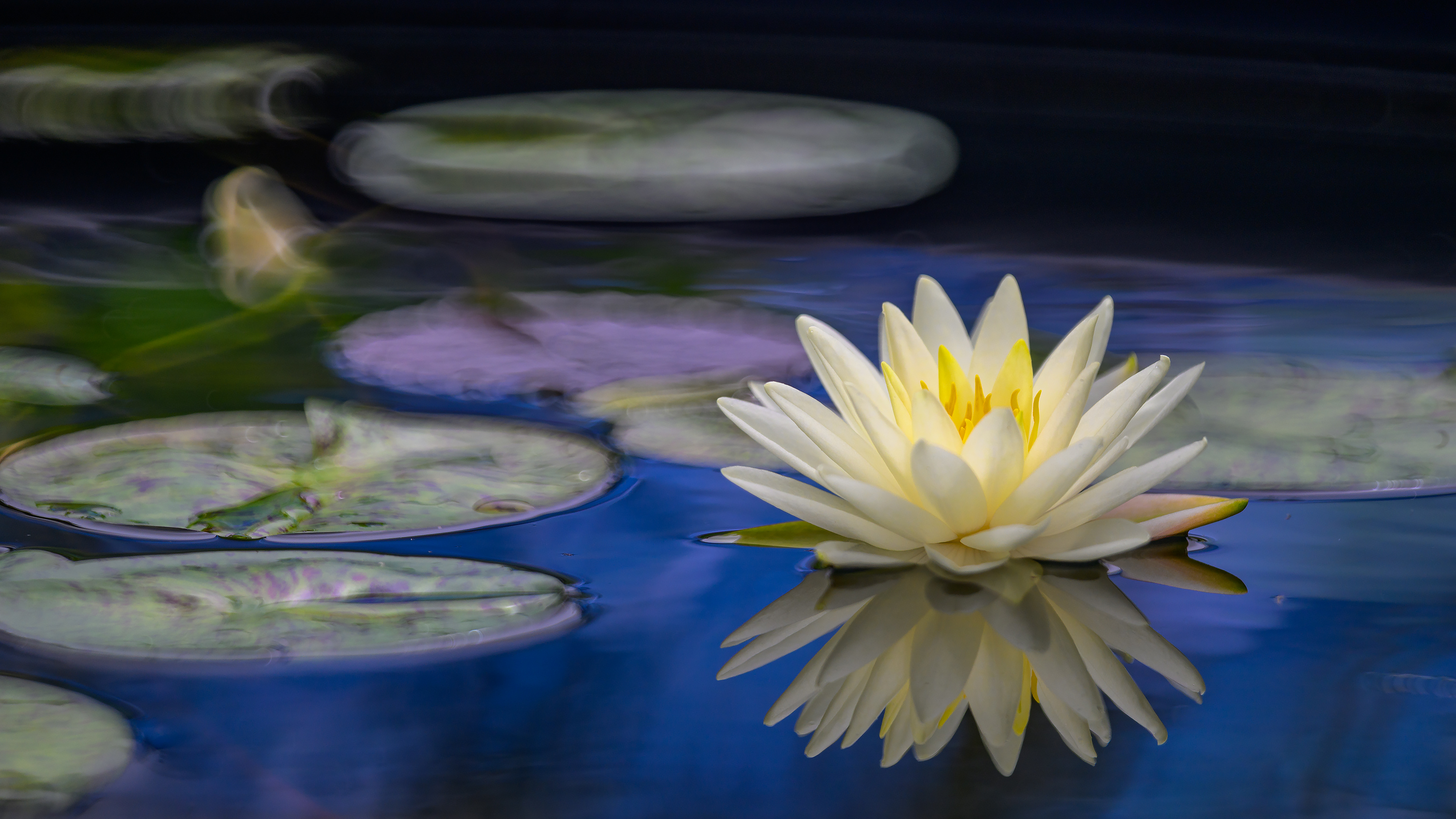
Winner
劉天然
幻影蓮踪
幻影蓮踪
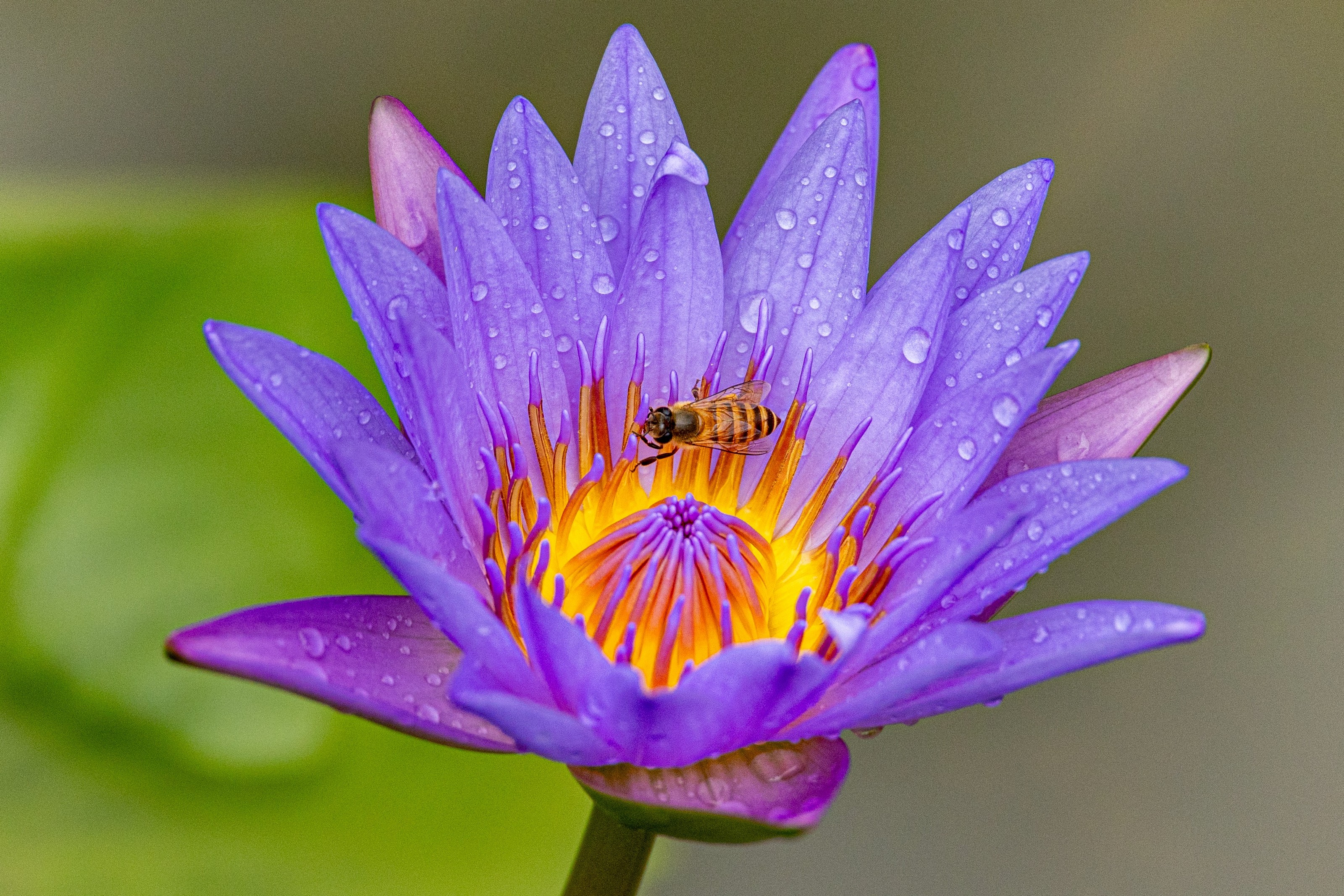
1st Runner-up
蔣聲靈
花香蜂自來
花香蜂自來
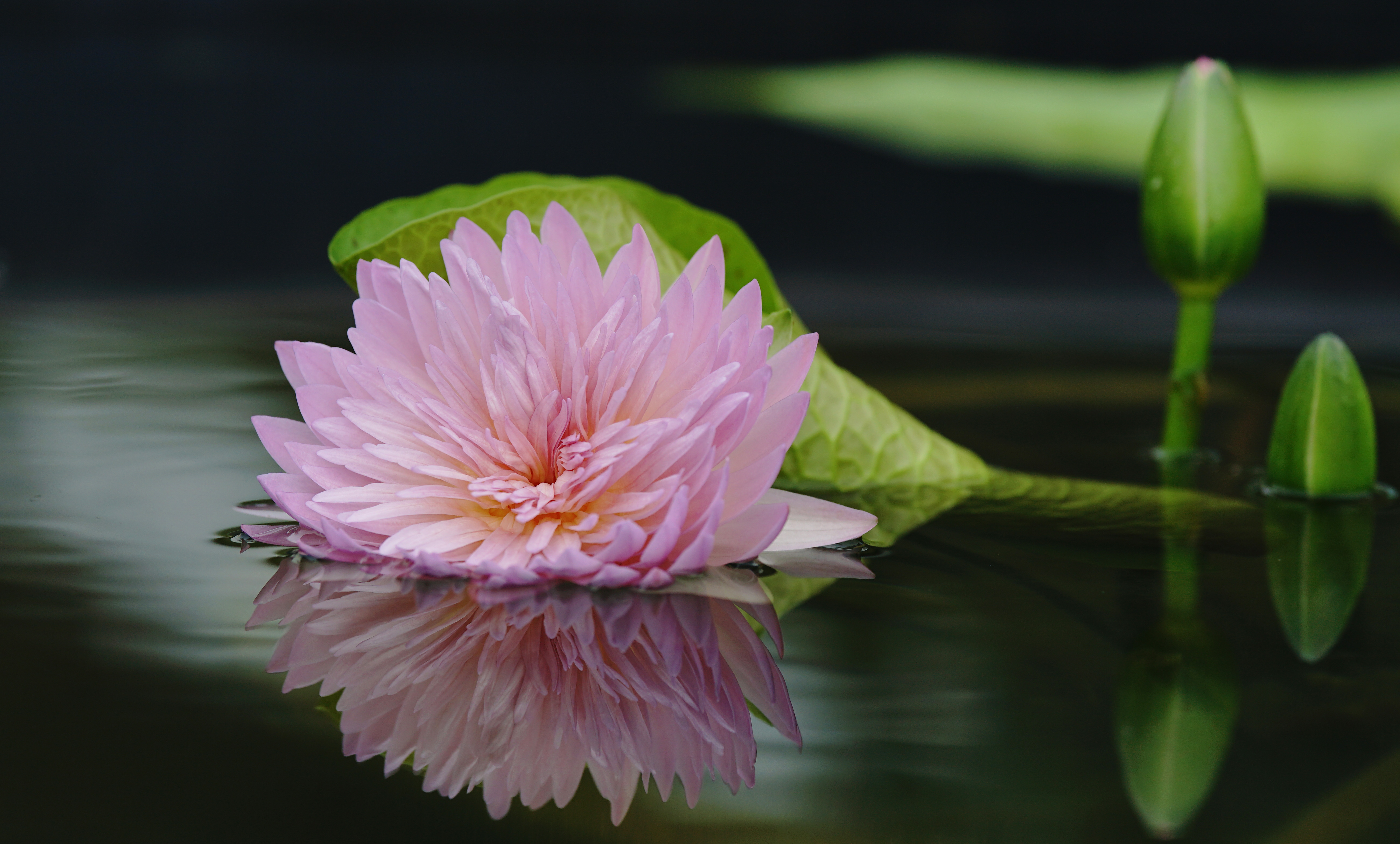
2nd Runner-up
馮國華
淨蓮妙影
淨蓮妙影
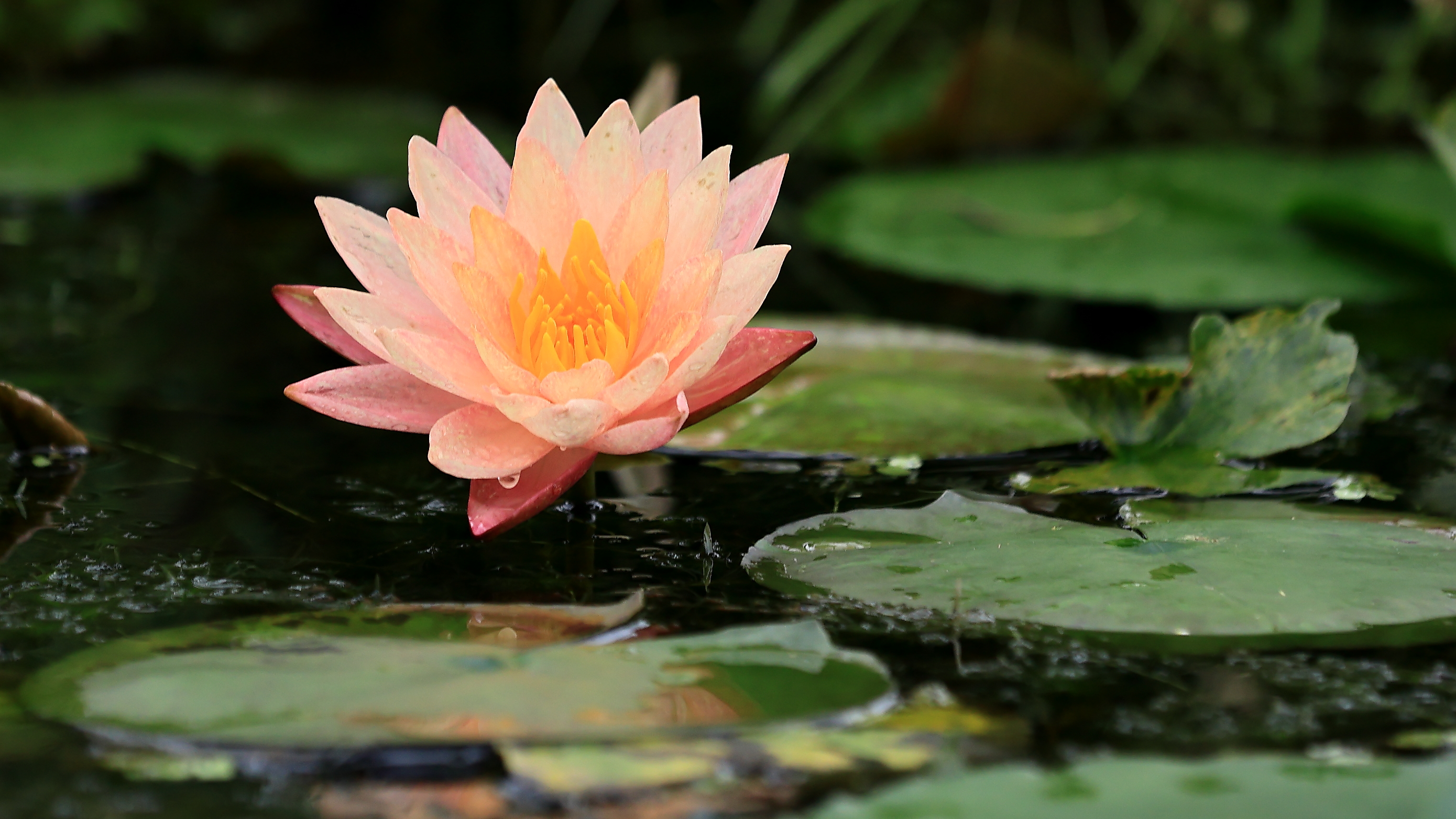
Merit
劉國昌
微雨凝粉蓮
微雨凝粉蓮
樊德智
琉璃梵影
琉璃梵影
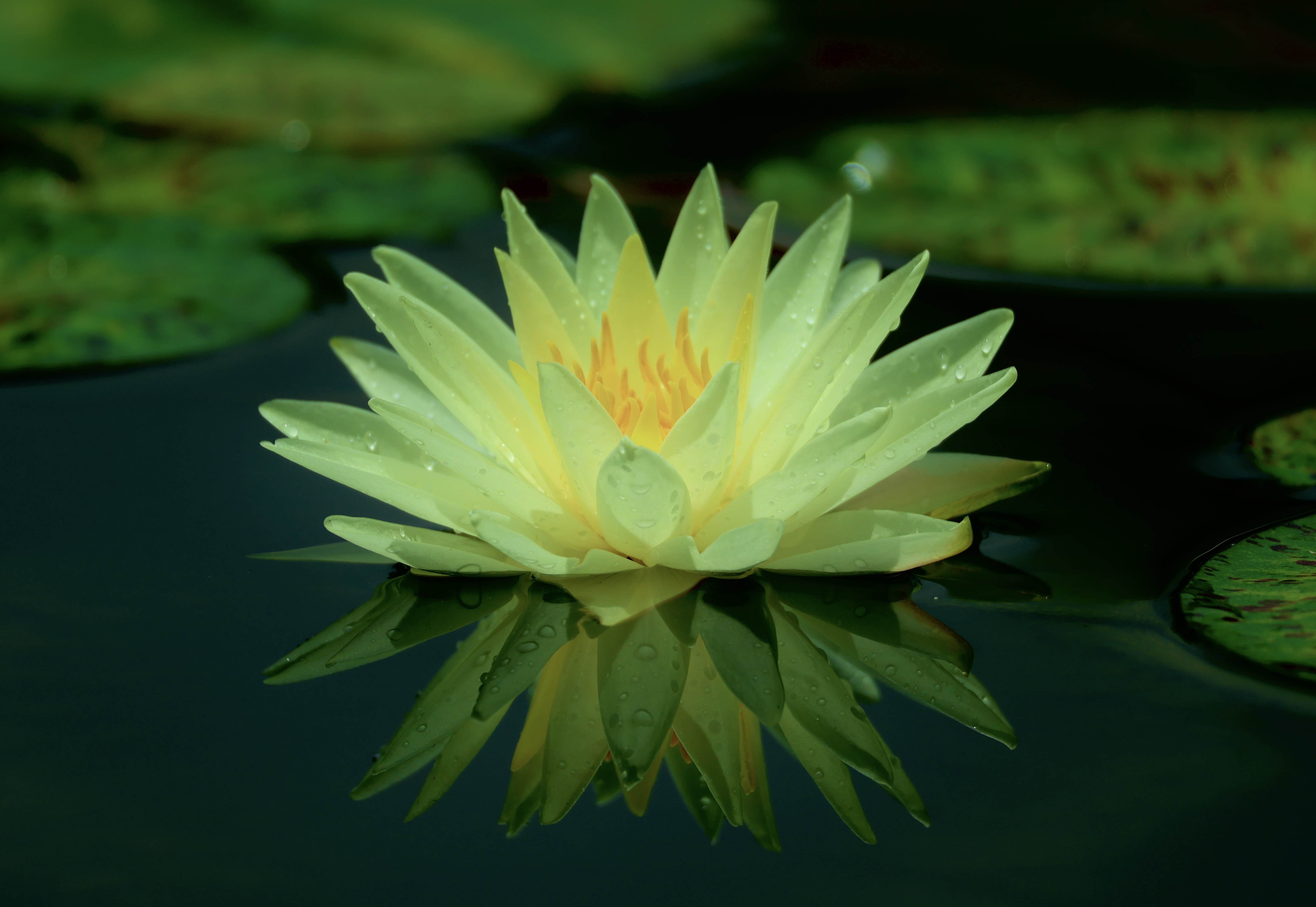
黃志強
出水芙蓉
出水芙蓉
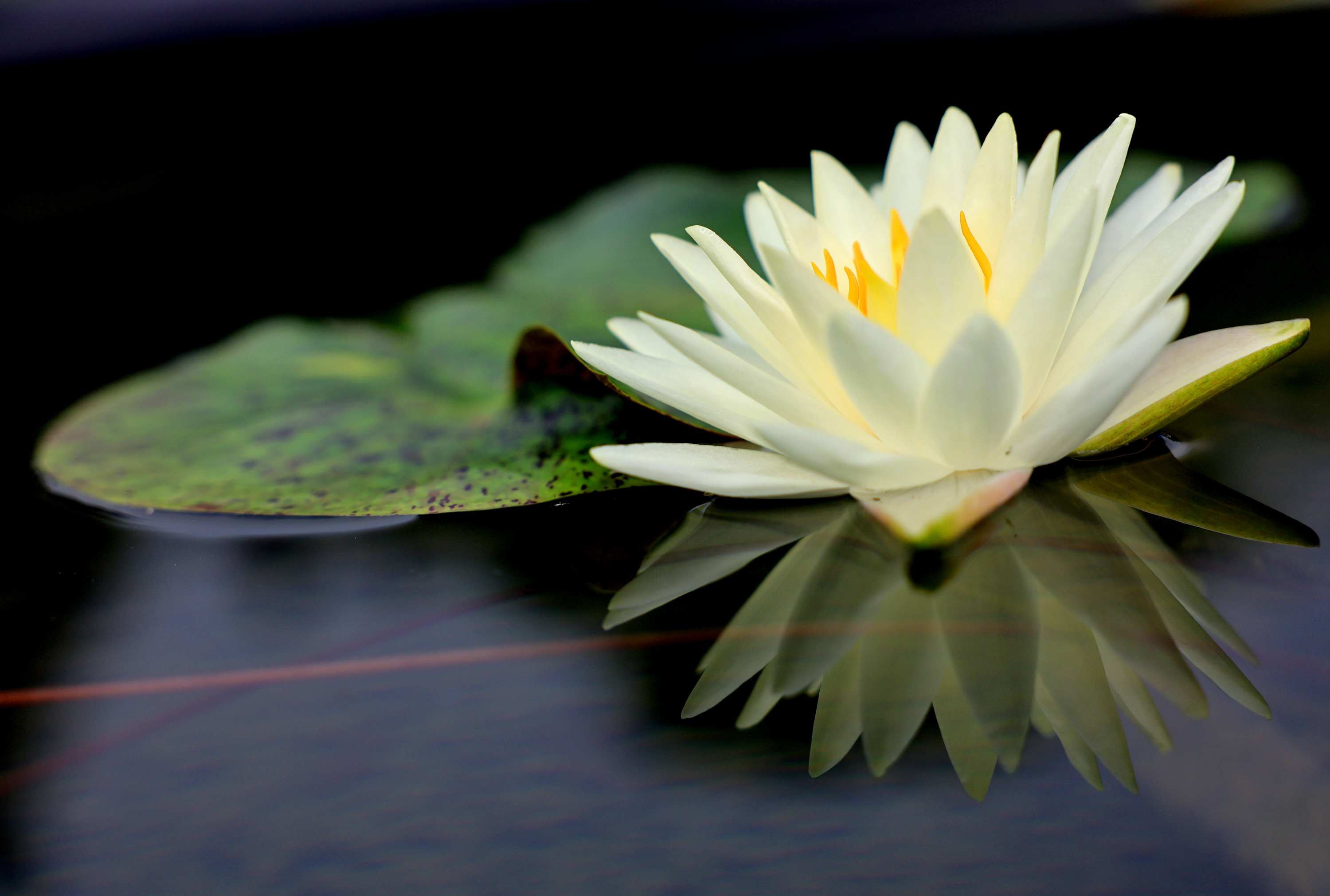
黃仲民
紫韻清蓮
紫韻清蓮

梁志民
如火的心
如火的心
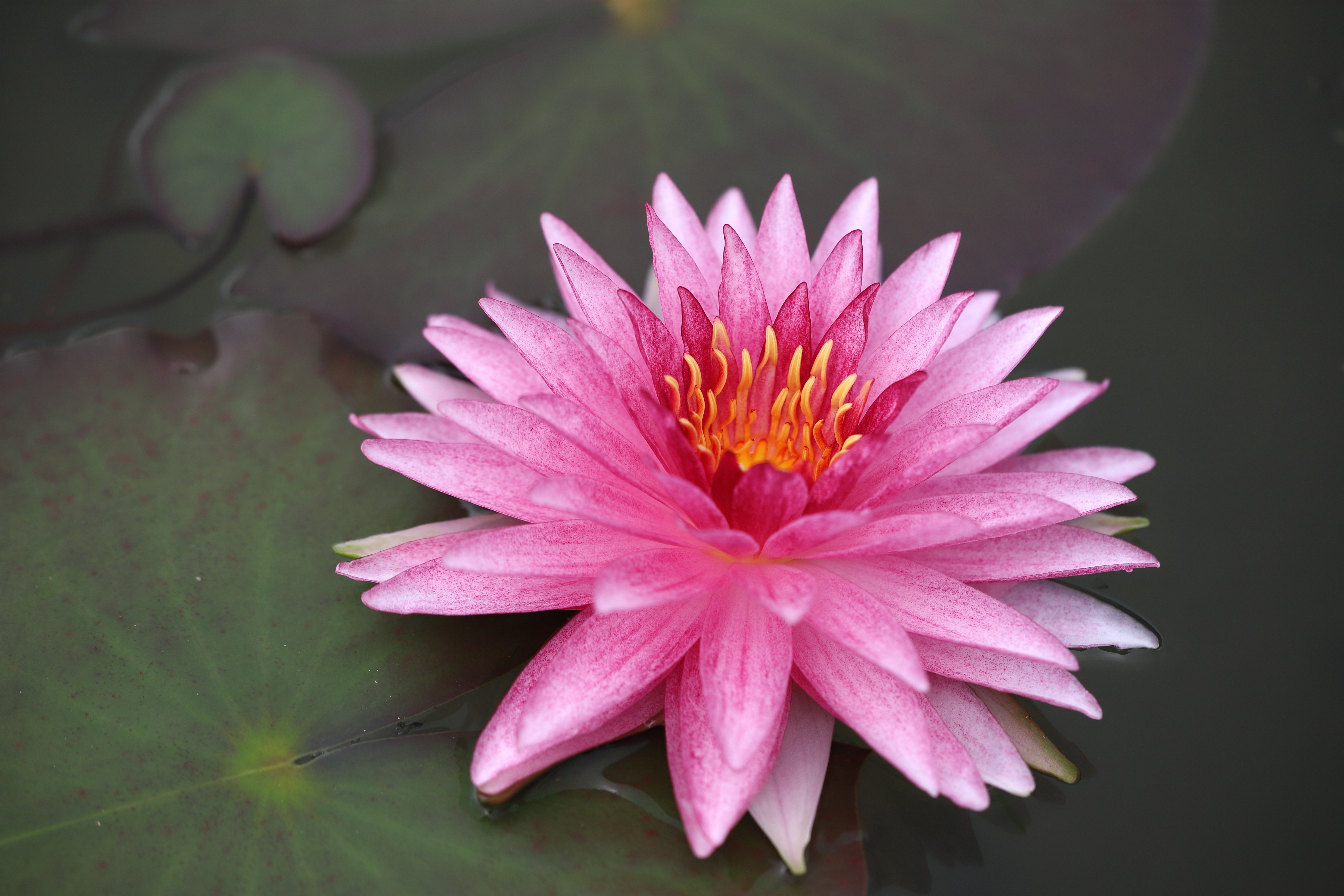
劉美崧
雨荷
雨荷
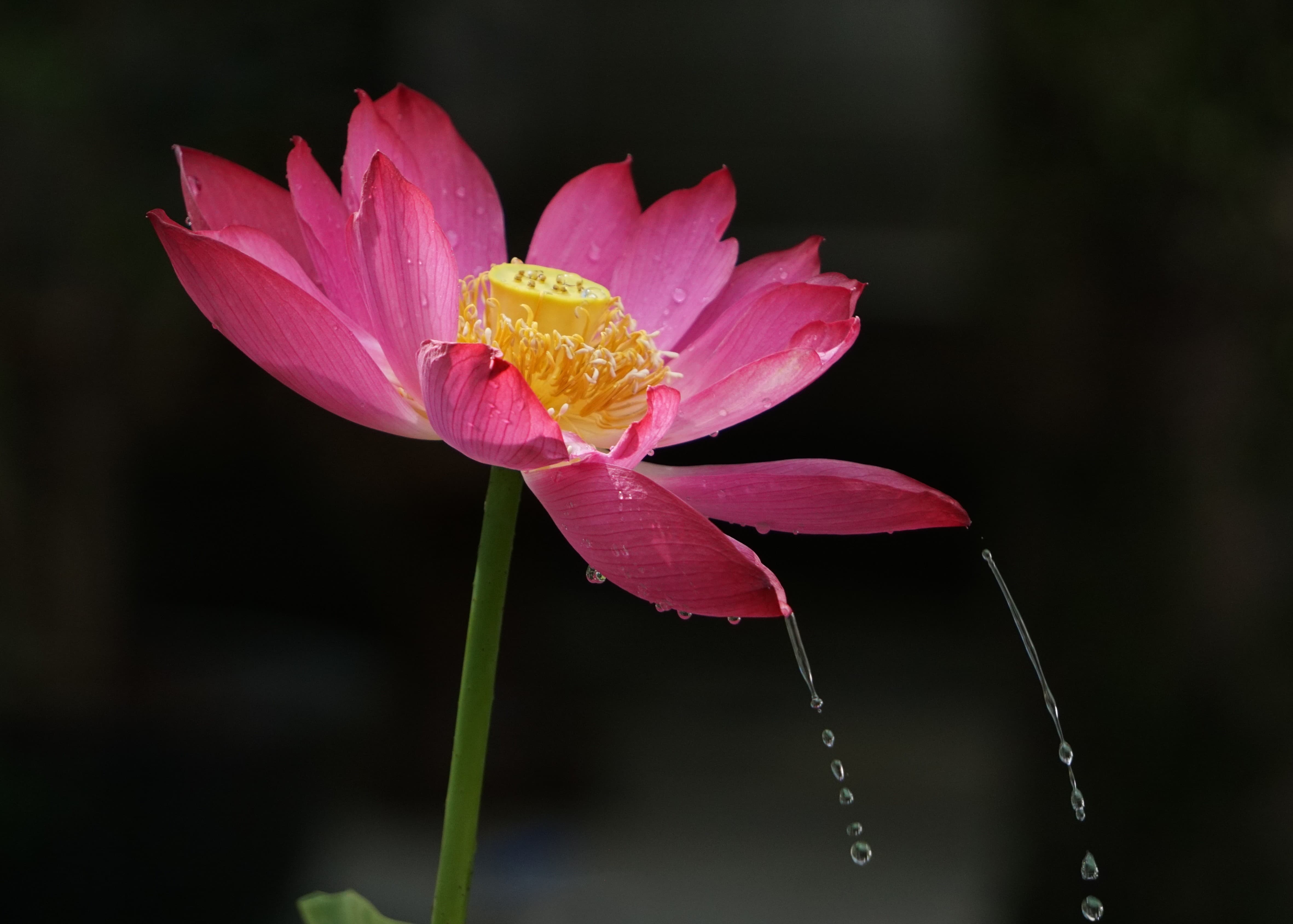
楊人明
爭妍鬥麗
爭妍鬥麗
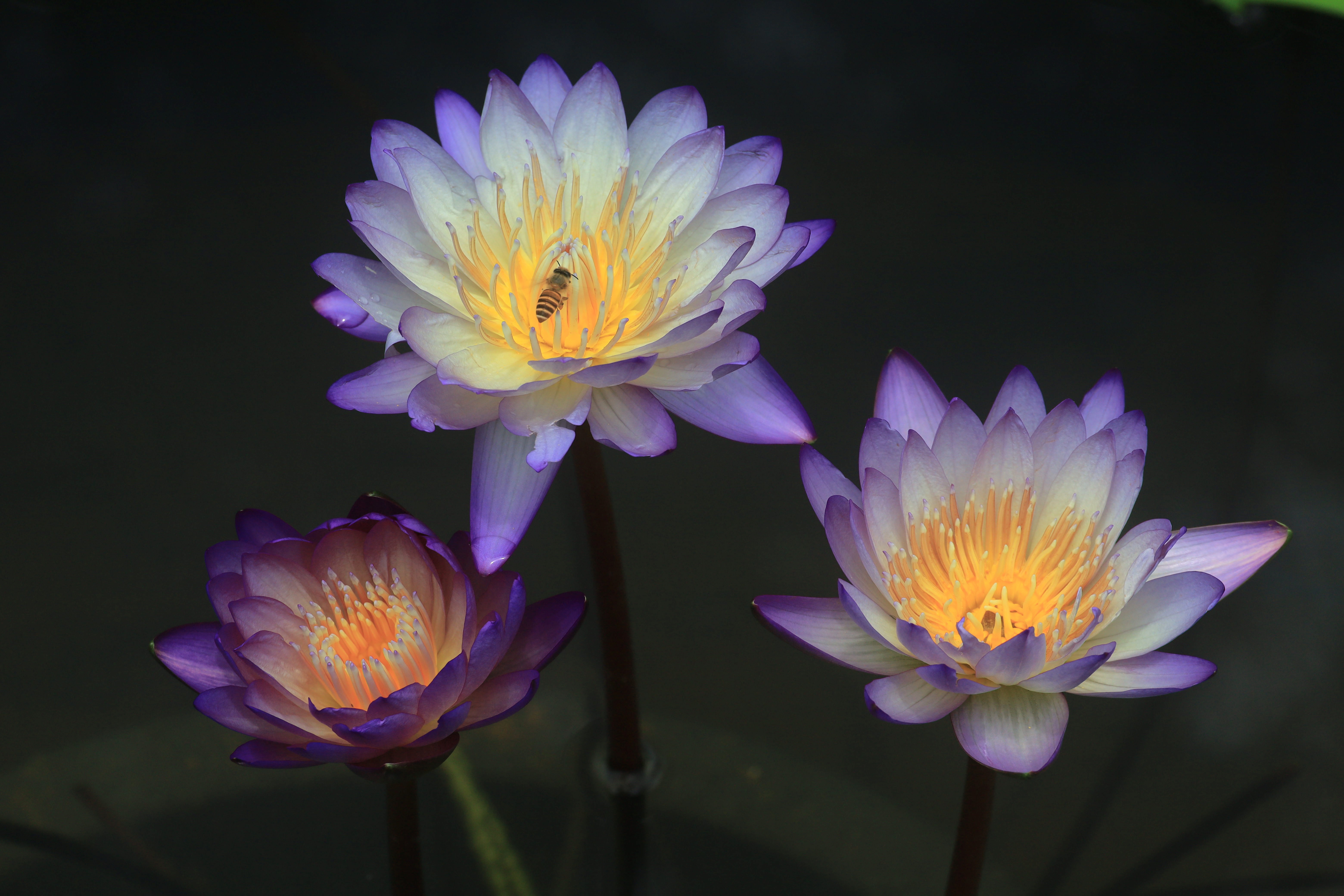
黃佩琴
成雙成對
成雙成對
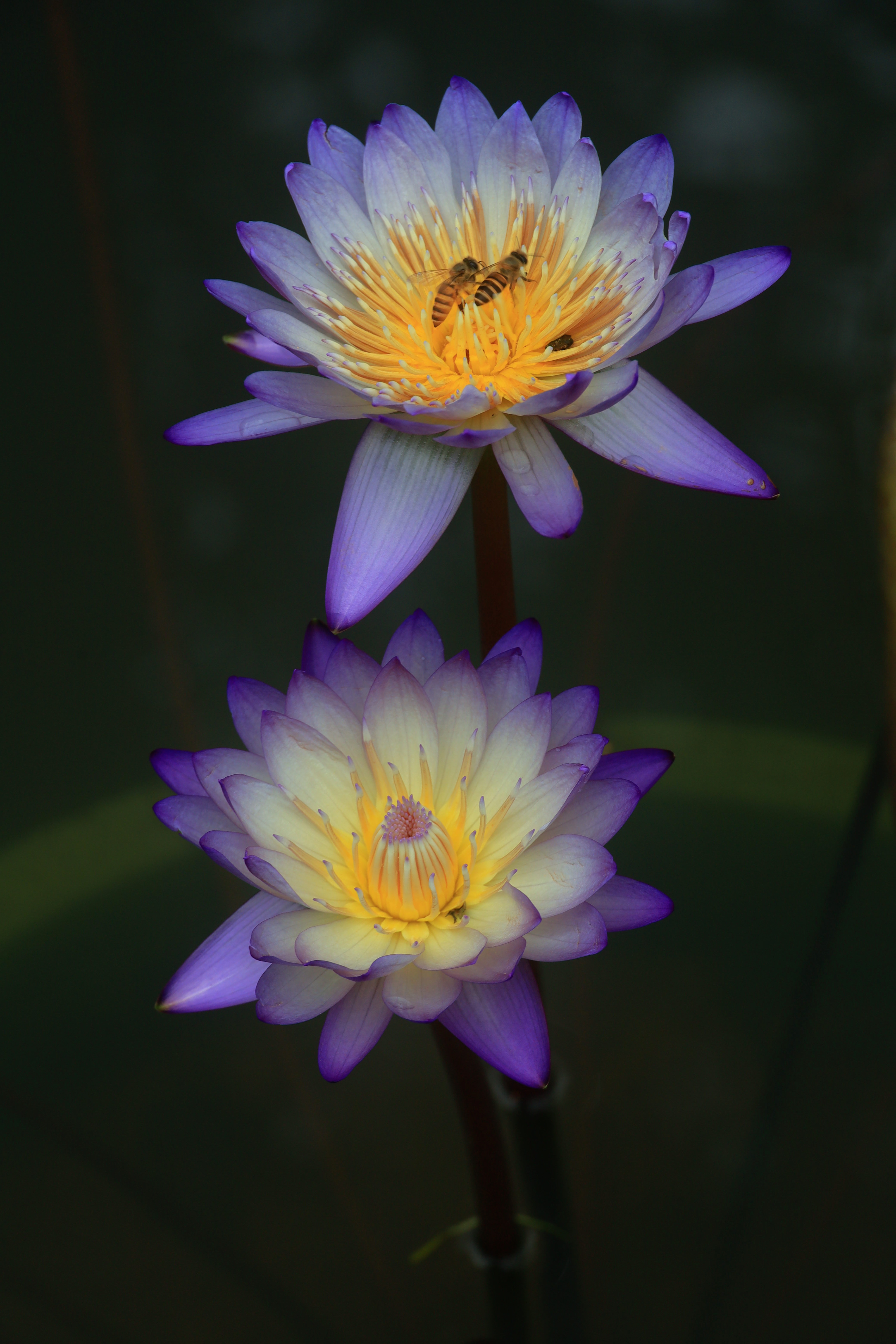
周歡求
盛開的睡蓮
盛開的睡蓮

李永能
蓮花化生
蓮花化生
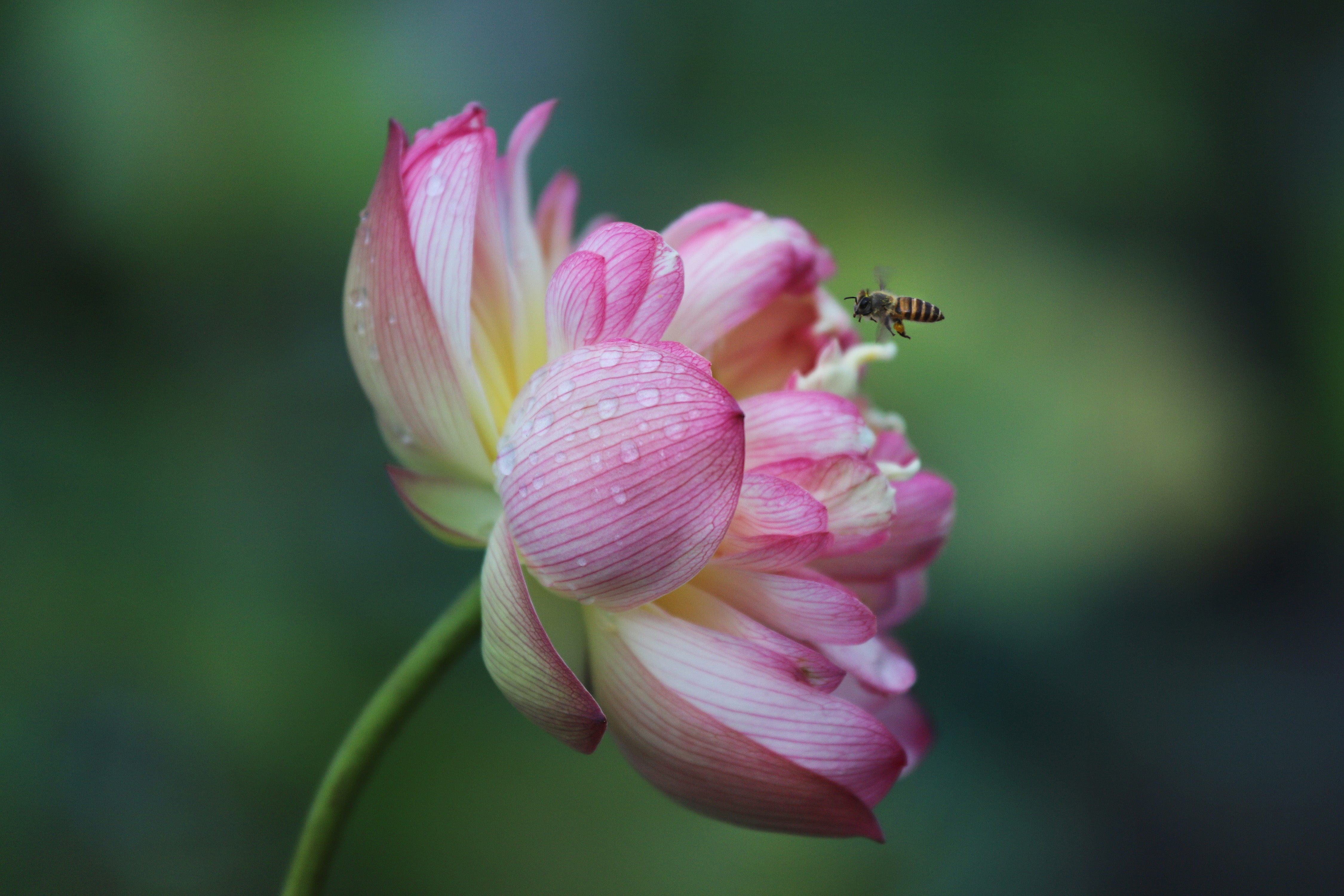
任沛芳
水鏡蓮華
水鏡蓮華
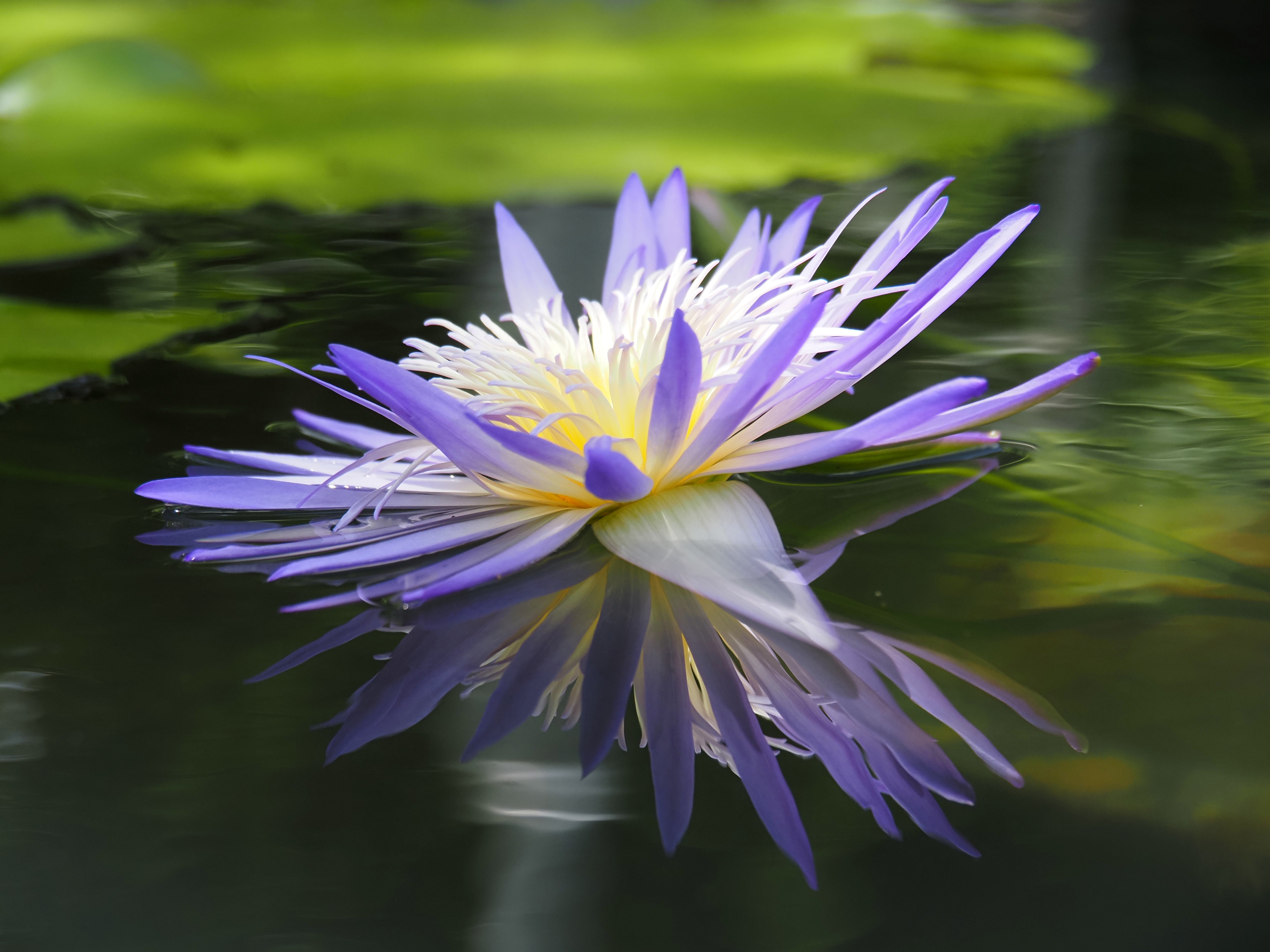
鄺煒利
碧翠映紫蓮
碧翠映紫蓮

羅麗芳
葉上蓮
葉上蓮

彭廣安
蓮蜂相映
蓮蜂相映
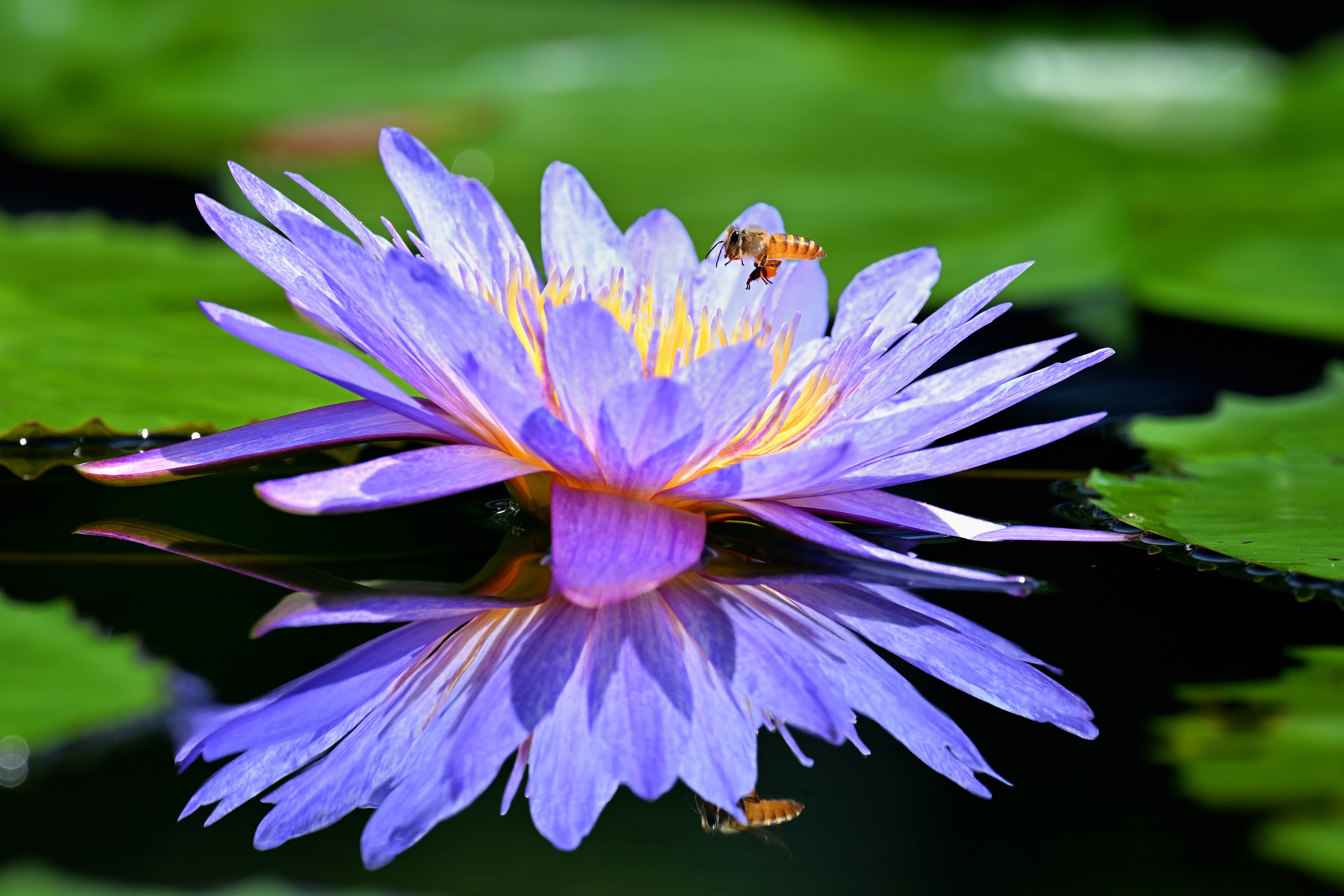
張秀梅
睡蓮引蜂來
睡蓮引蜂來
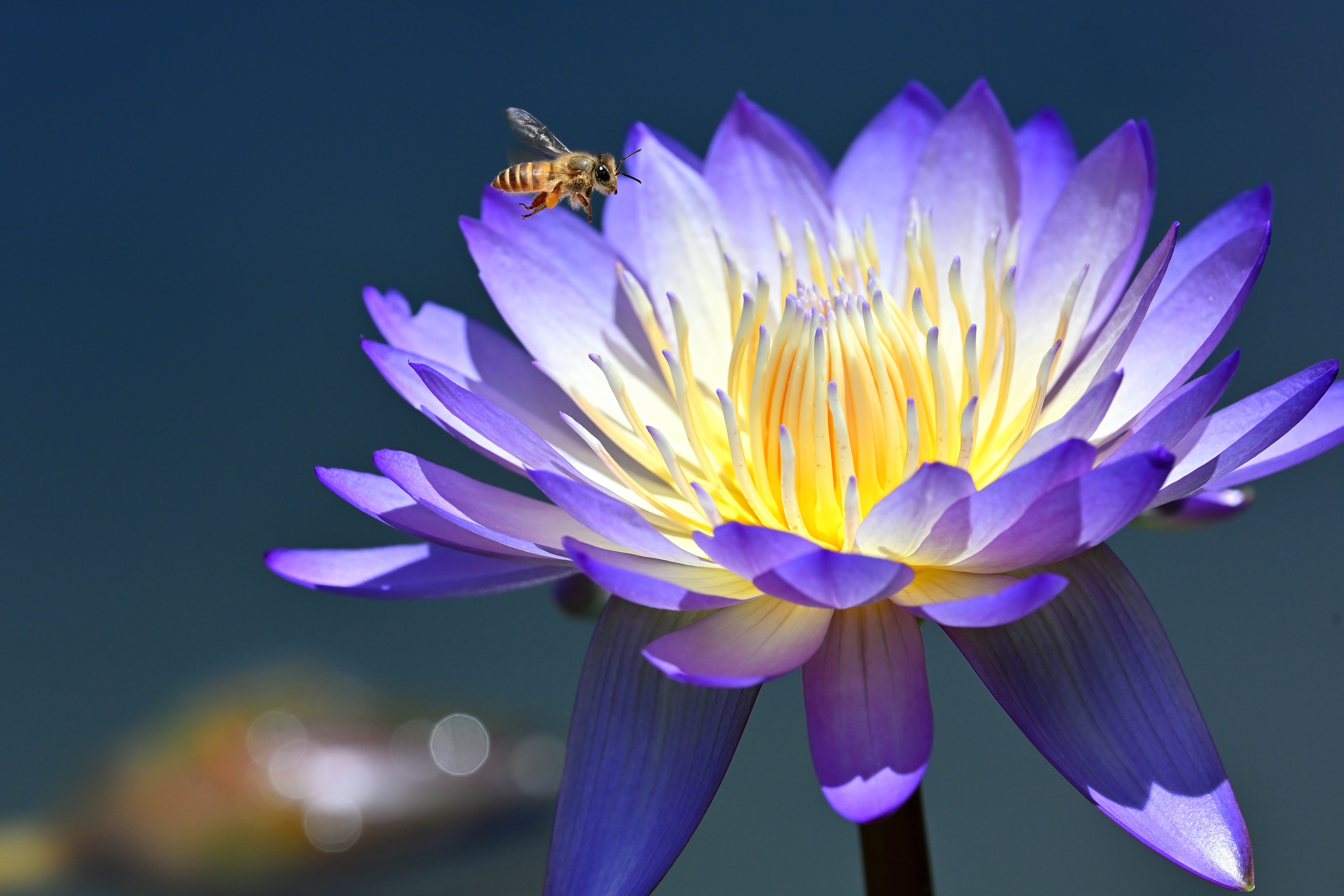
張秀梅
靜謐之美
靜謐之美
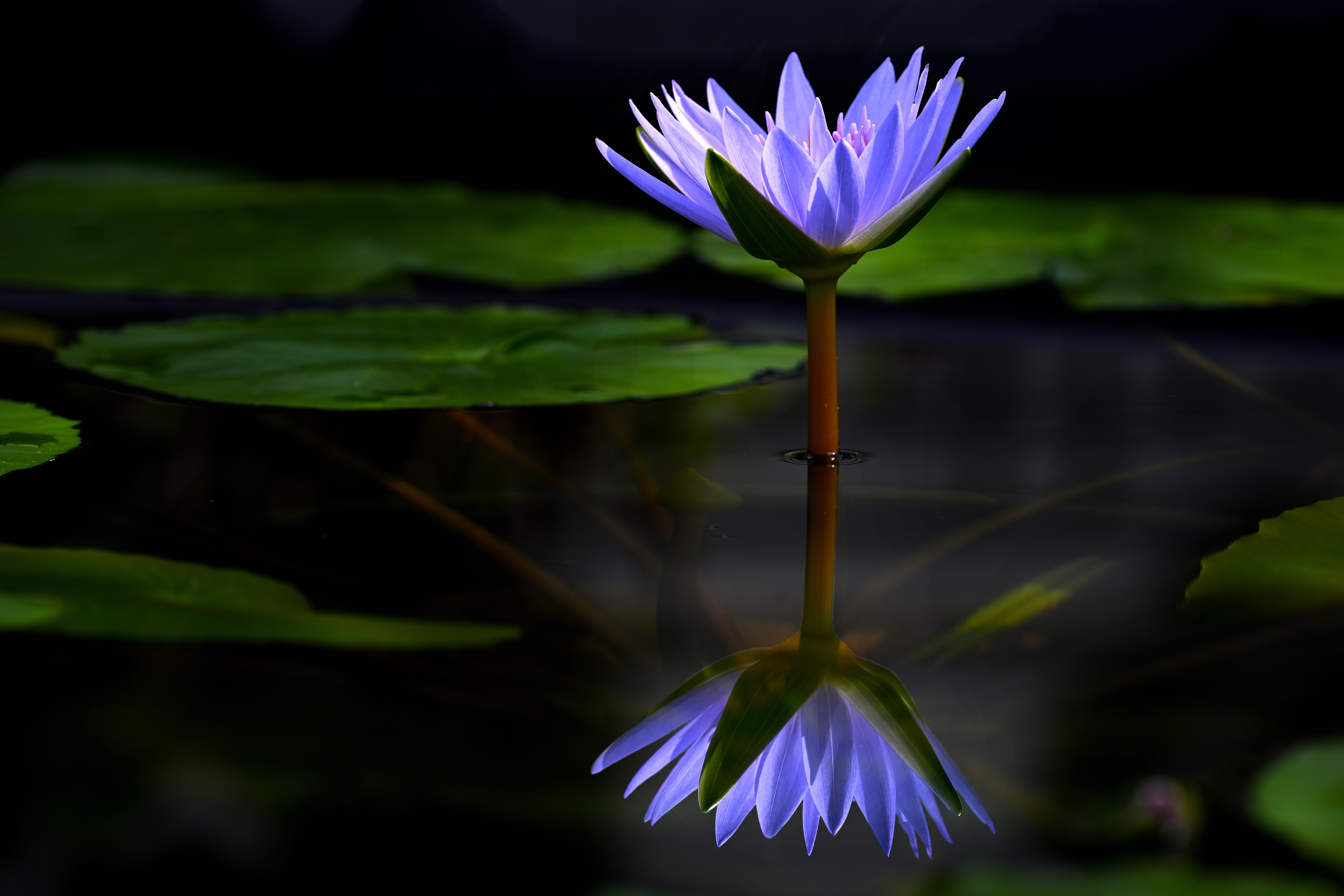
何美玉
獨愛萬維莎
獨愛萬維莎

劉天然
白蓮影照
白蓮影照
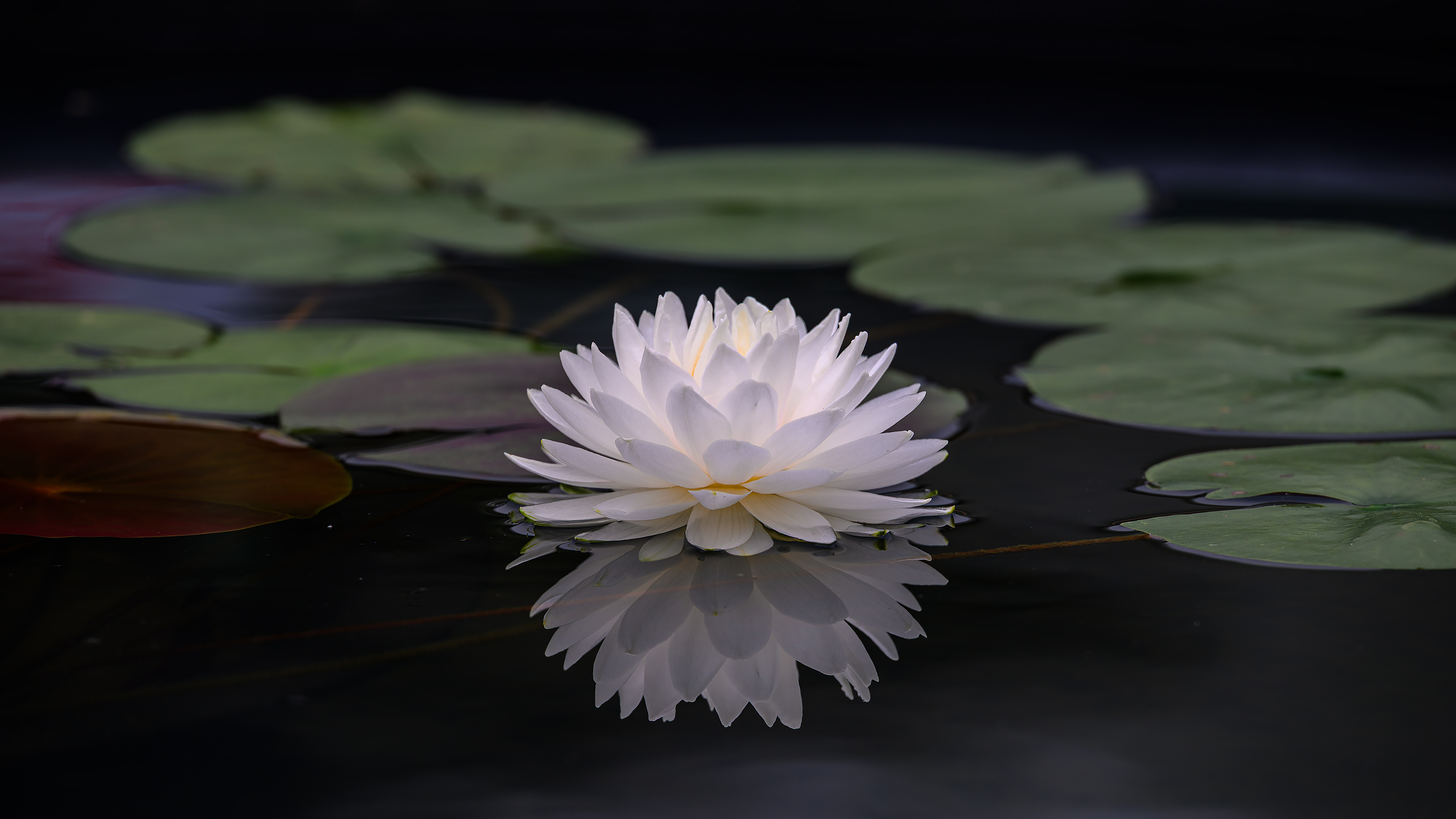
胡薇謹
亭亭玉立
亭亭玉立

王志剛
白璧無瑕
白璧無瑕

Group B: Snapshots
Ranking
Winners
Theme
Theme
Winner
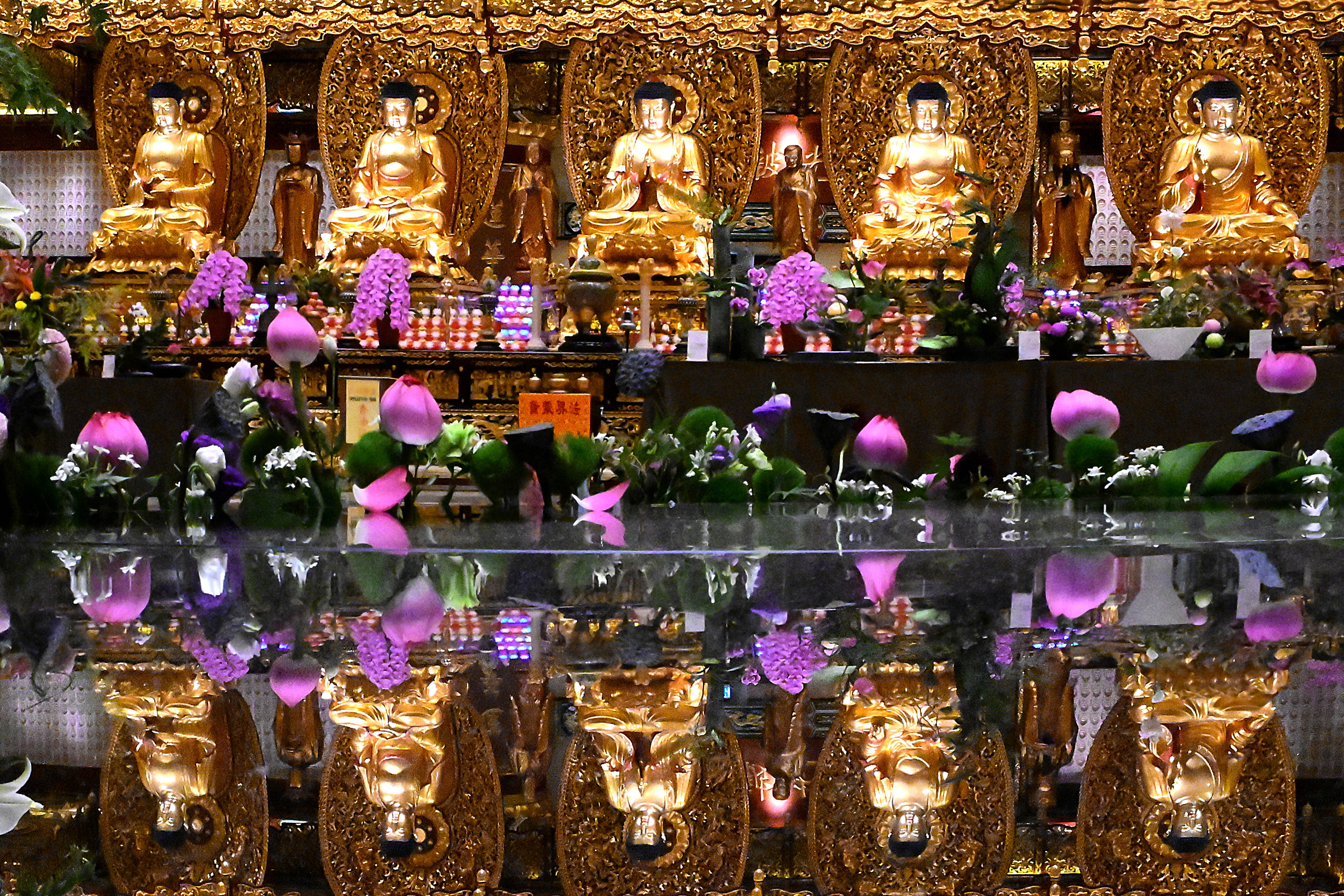
胡薇謹
佛光映荷影
佛光映荷影
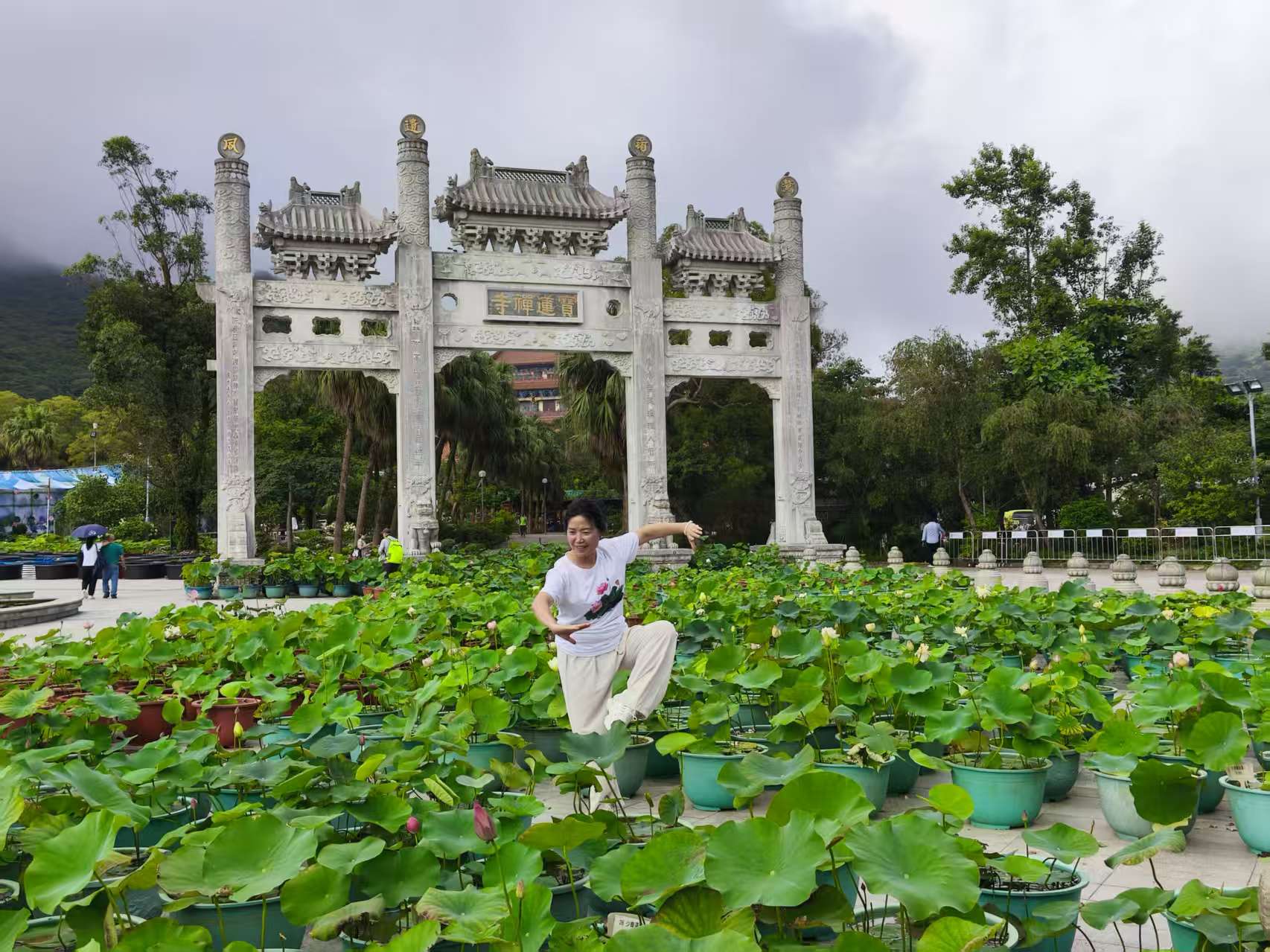
1st Runner-up
廖蘭香
荷樂融融
荷樂融融
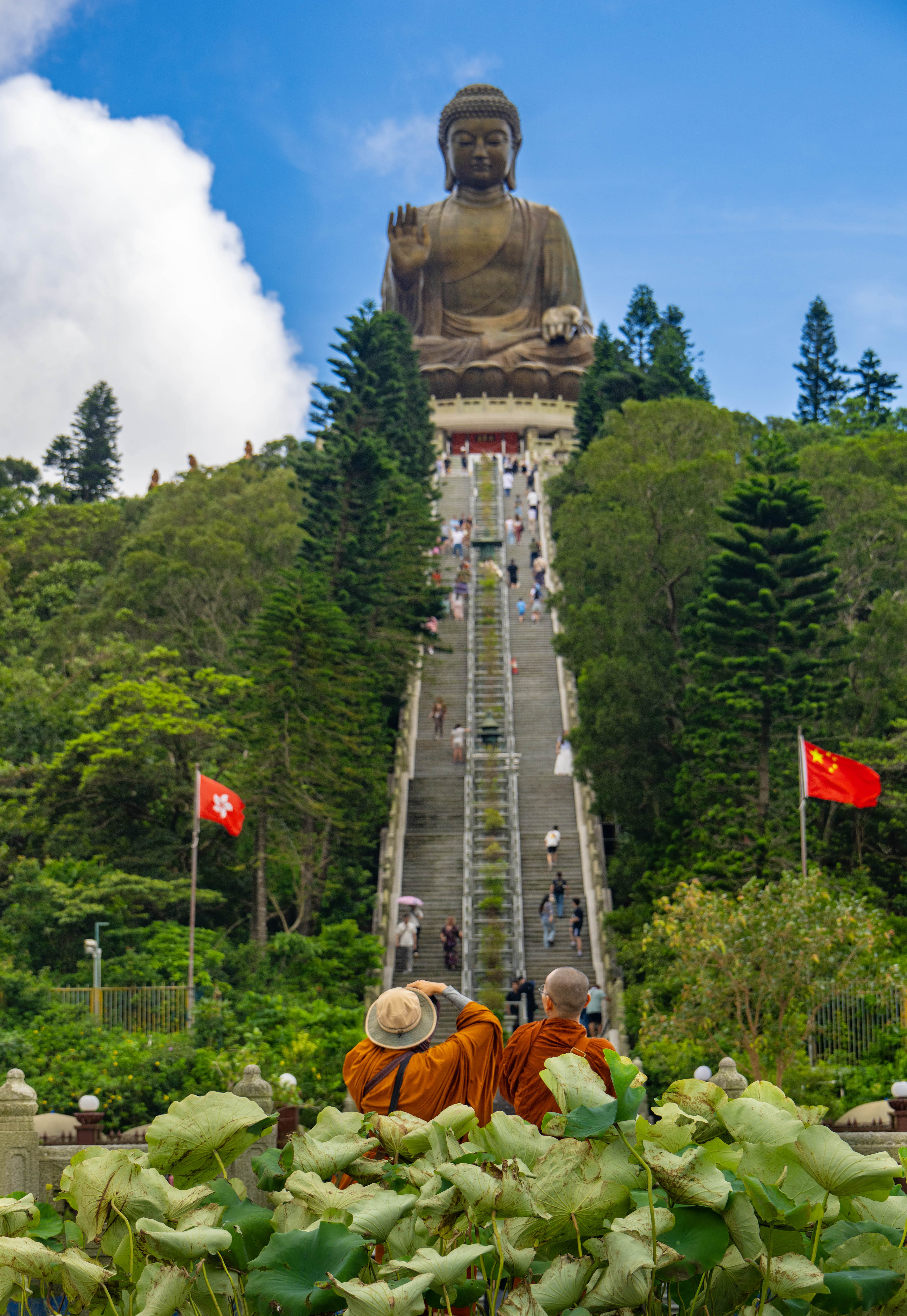
2nd Runner-up
韓國禎
留住最美一刻
留住最美一刻
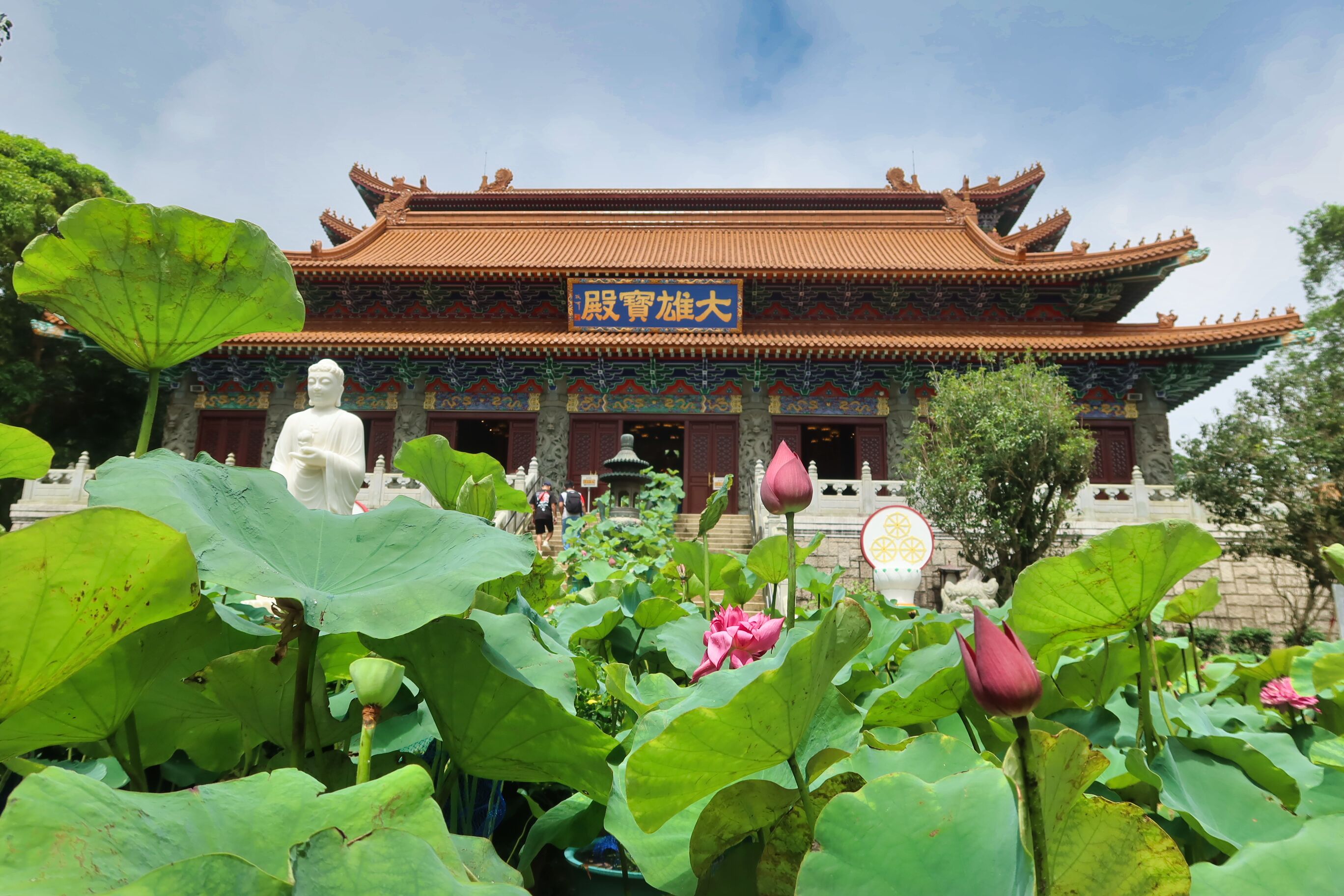
Merit
蔡慧晶
莊觀美景
莊觀美景
陳千碧
須彌山下,菩提人間
須彌山下,菩提人間

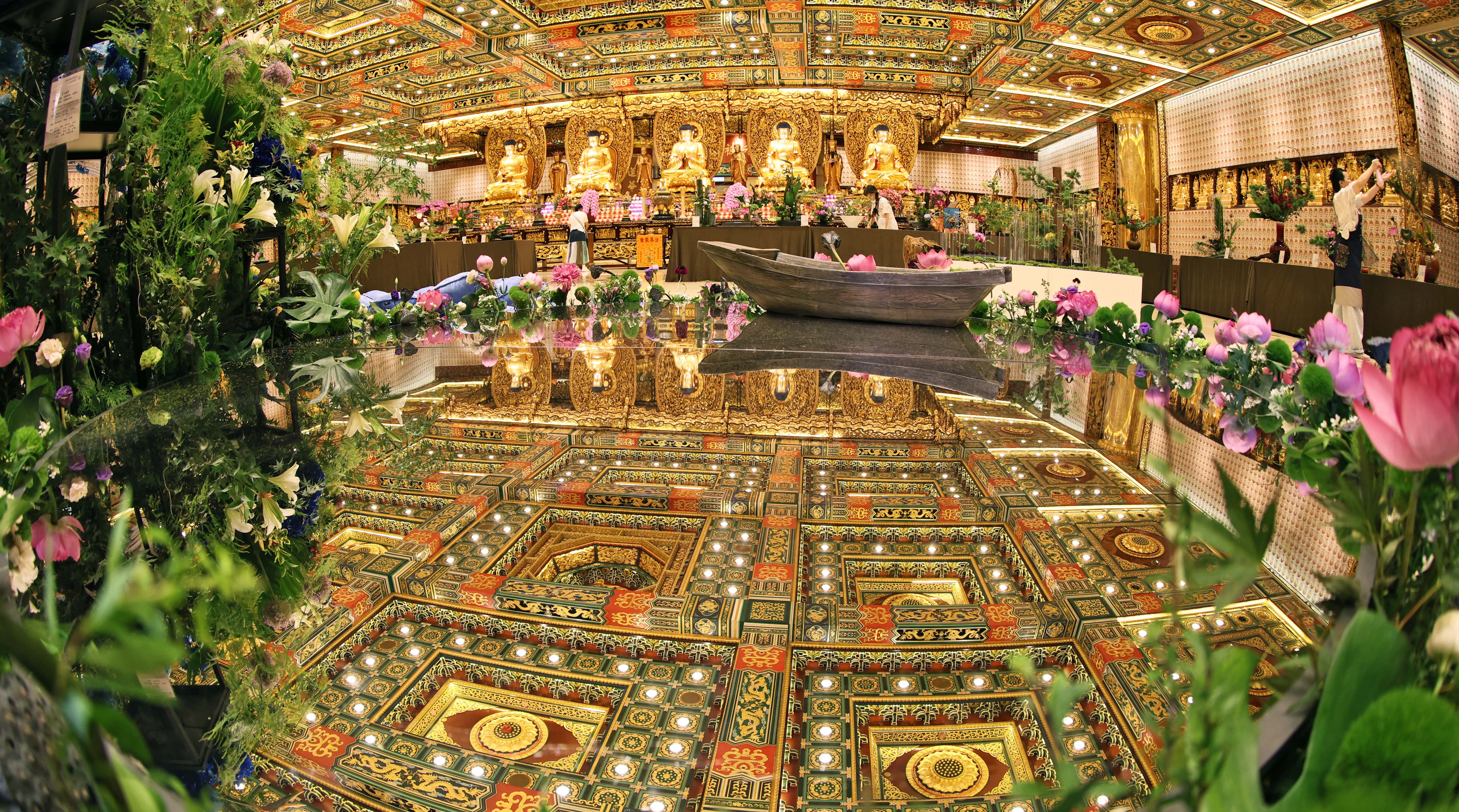
蔡惠霞
萬佛殿
萬佛殿
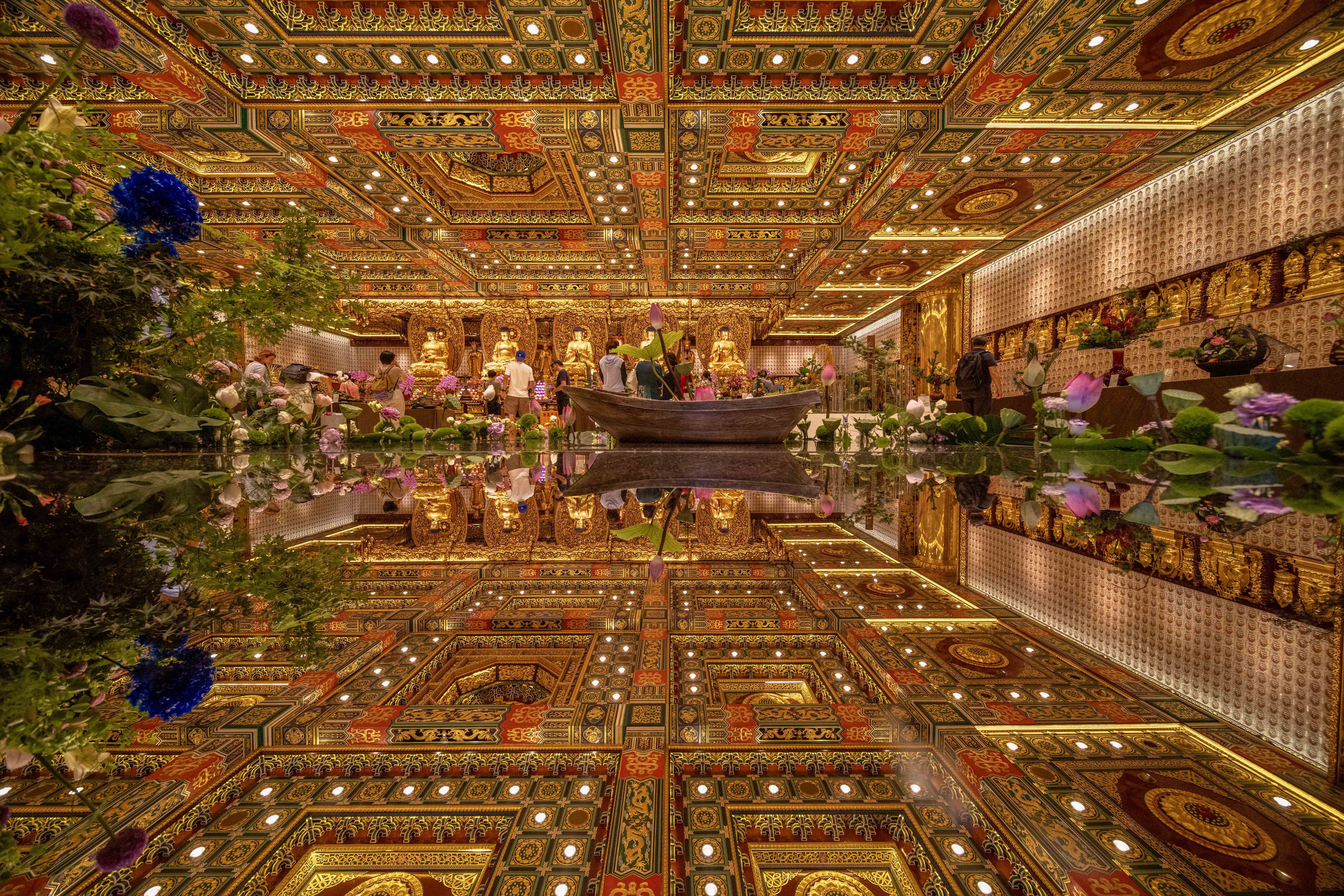
李其昌
夢幻
夢幻
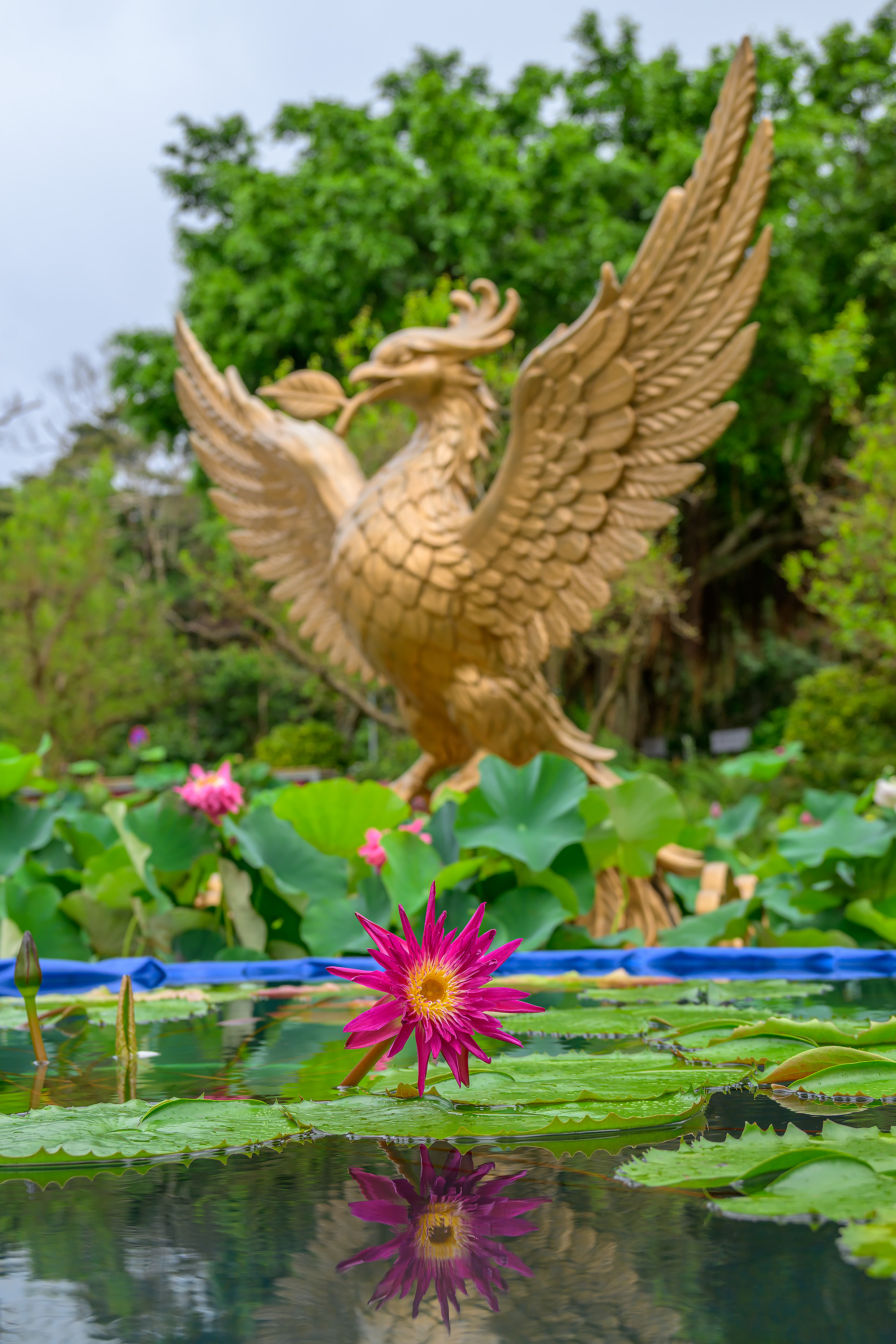
譚銀萍
鳳舞蓮池
鳳舞蓮池
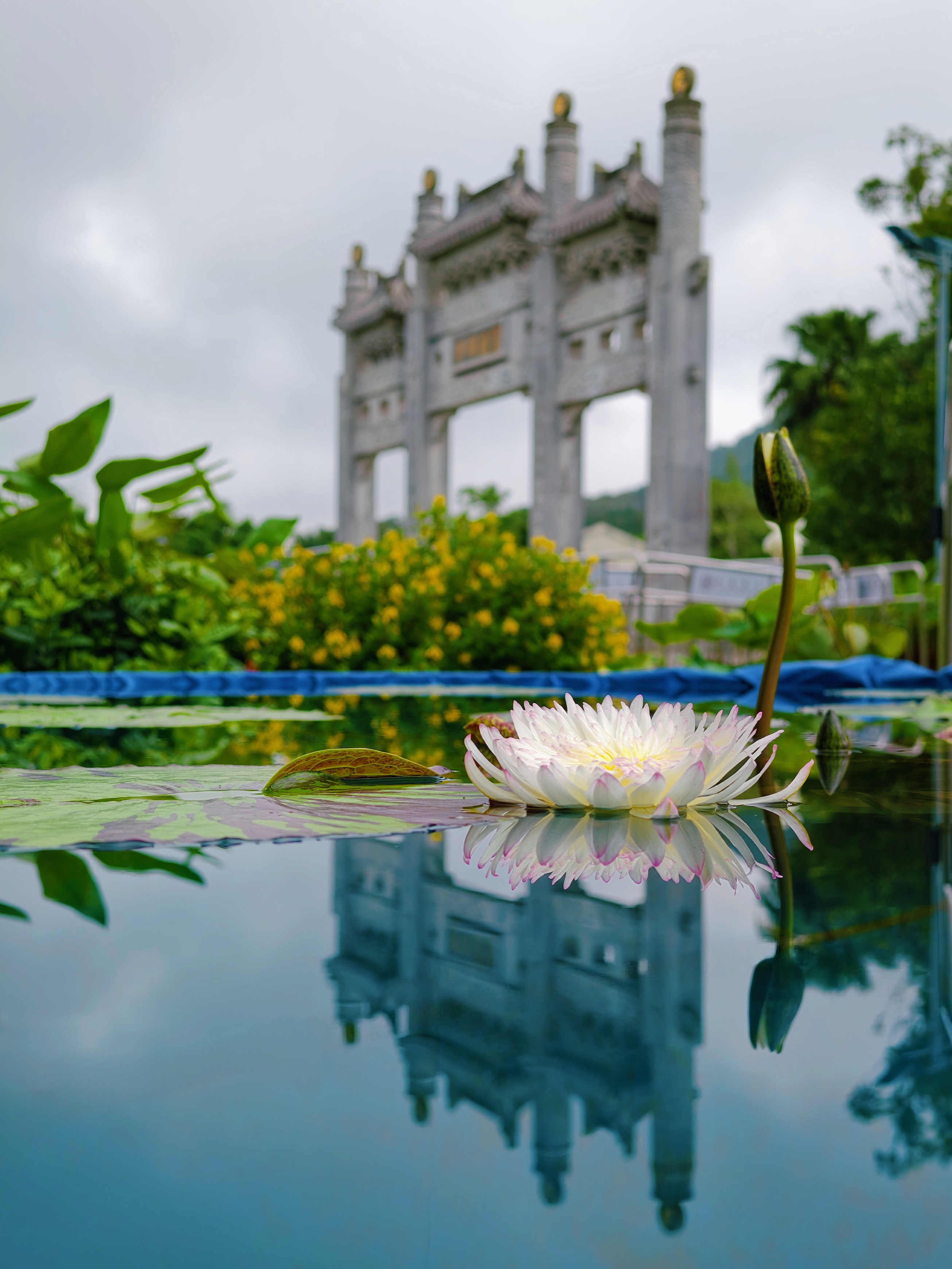
潘健崑
蓮影映古坊
蓮影映古坊
劉天然
地壇蓮池
地壇蓮池
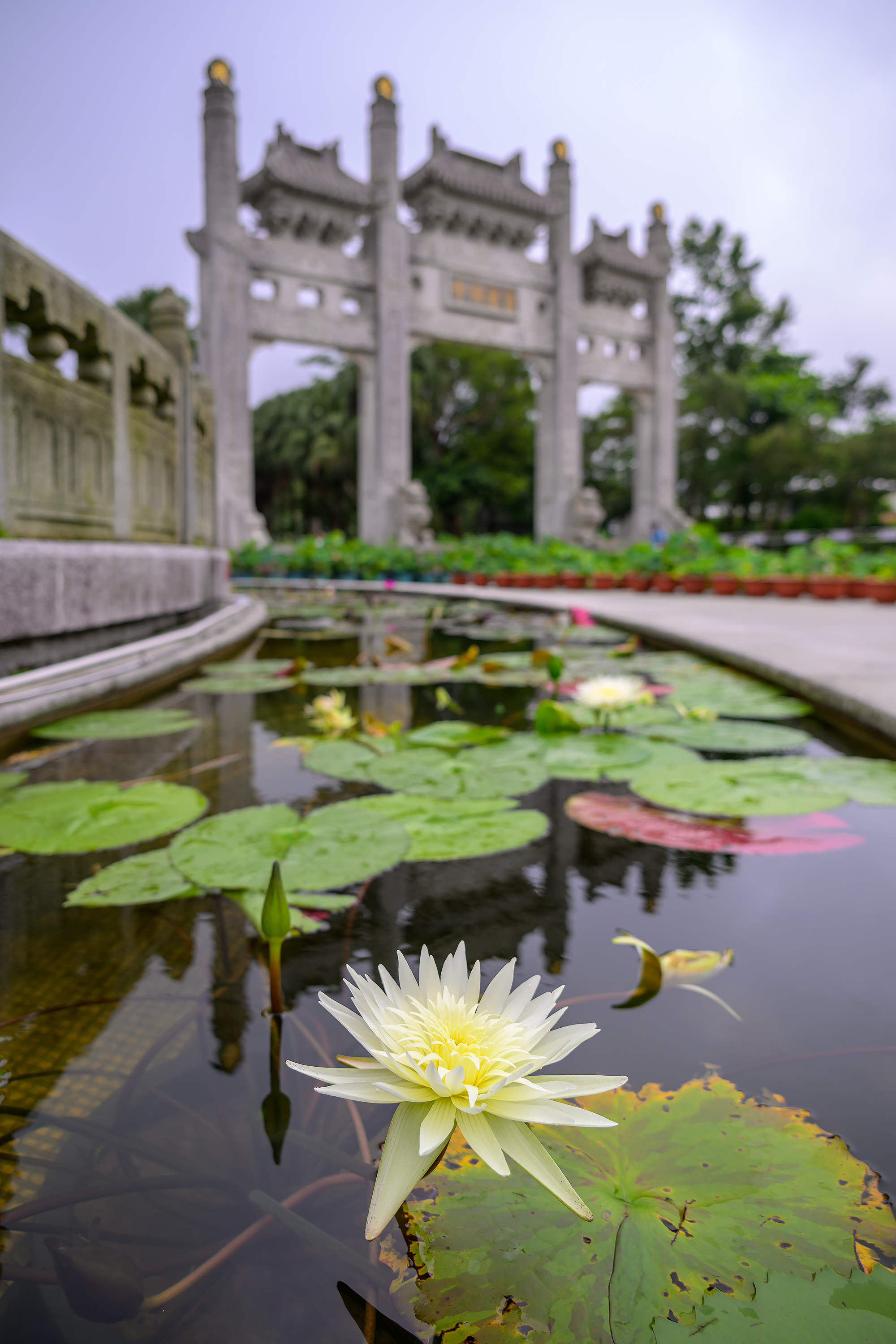
陸娟
紫金宝殿 蓮池映心
紫金宝殿 蓮池映心
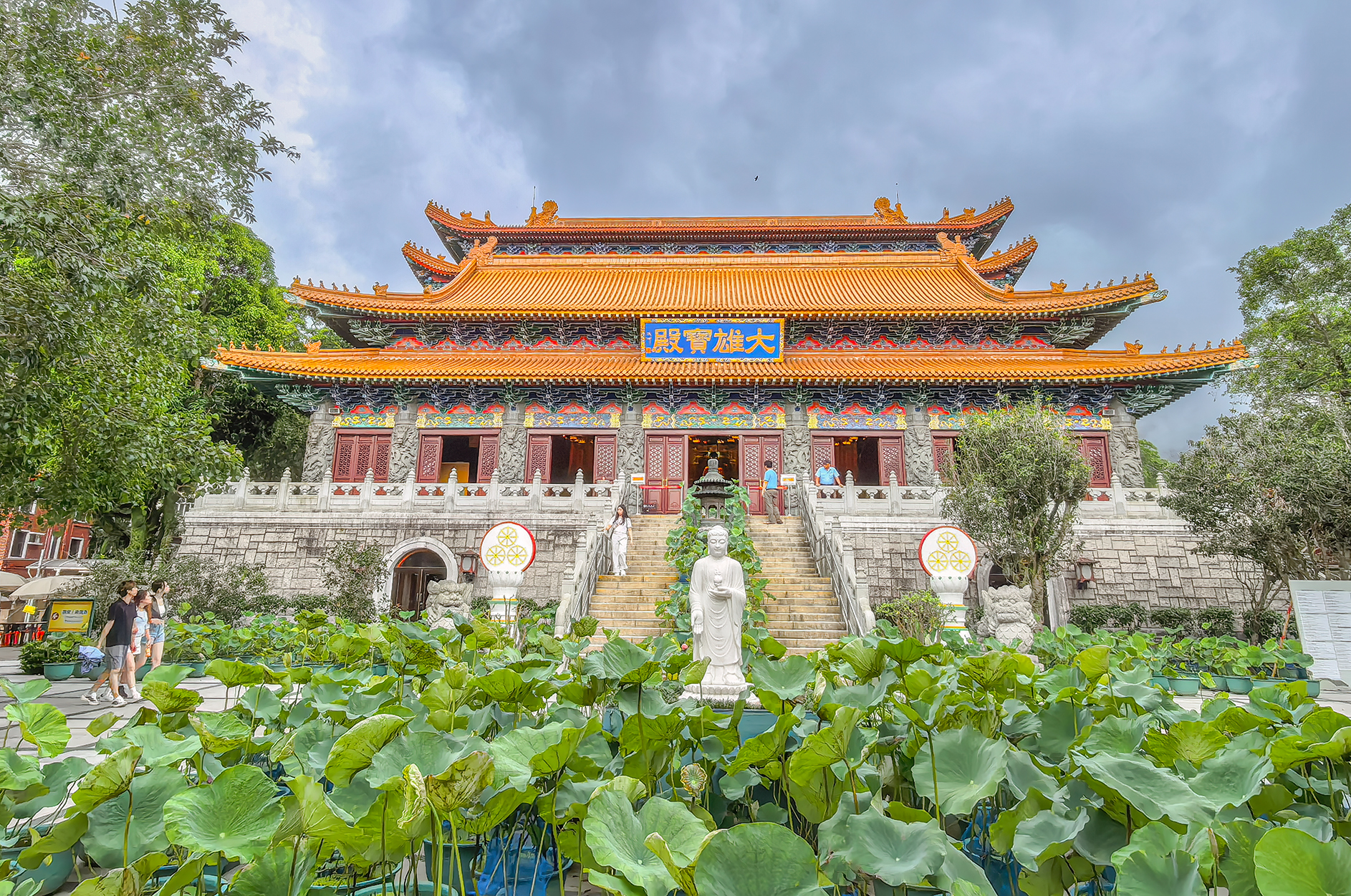
周澔琛
甜美的笑容
甜美的笑容
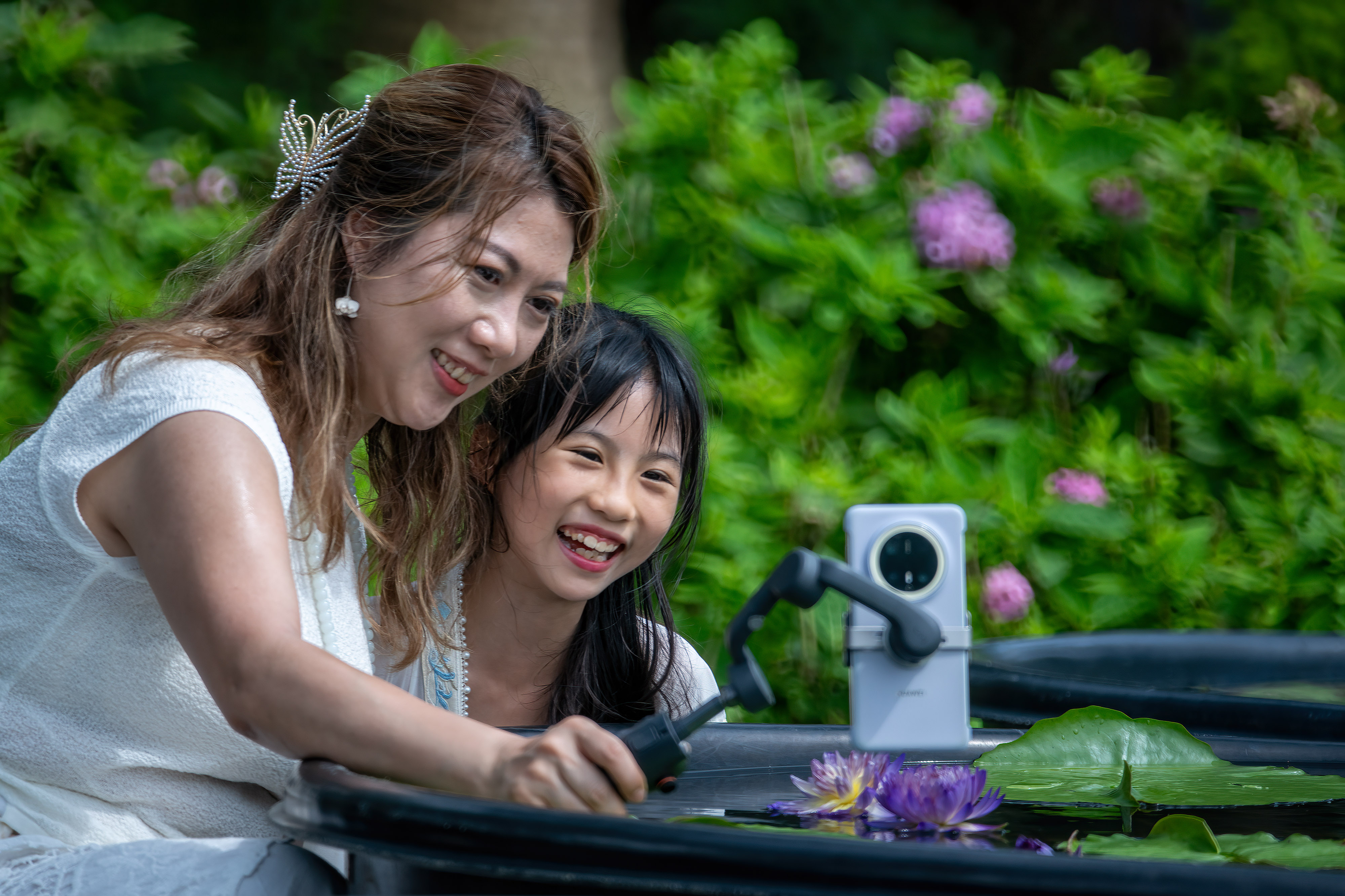
韓國禎
最佳角度
最佳角度
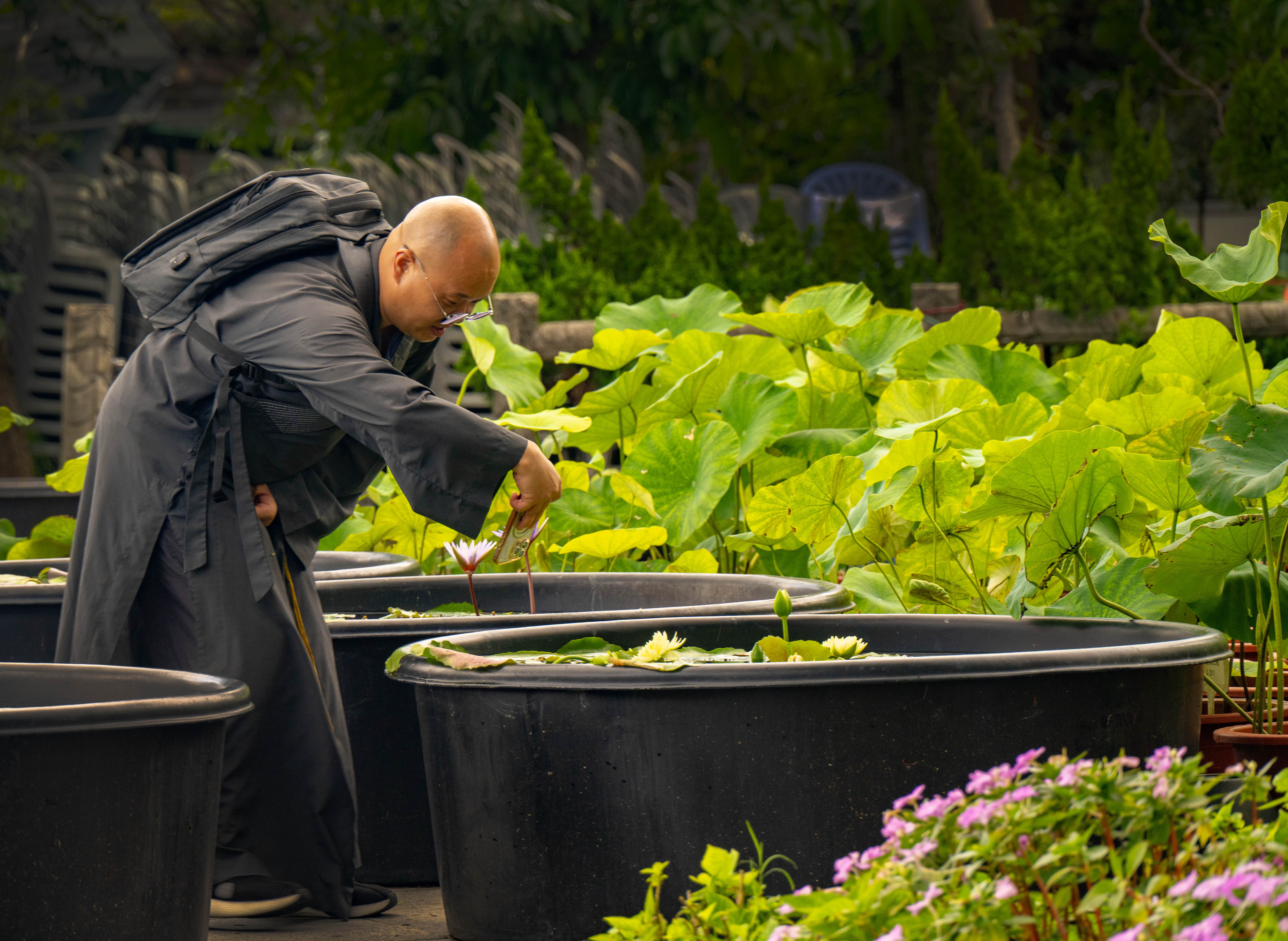
Contest Rules
1.
Open to all Hong Kong residents of all ages. (Employees of the organizers and sponsors are not eligible to participate) .
2.
Participation is on an individual basis. Each contestant can submit a maximum of two entries per group.
3.
Technical Requirements: Photos must be in JPG, JPEG, or PNG format with a resolution of at least 8 megapixels and a file size between 1MB and 3MB.
4.
Photos for Group A and B must be taken at the venue during the exhibition period (June 20 to July 2, 2026)
5.
Works must be original photos taken by the contestant using a digital camera or mobile phone. Contestants must ensure no infringement of third-party copyrights.
6.
Special effect lenses, cropping, red-eye removal, and adjustments to brightness, contrast, or color saturation are permitted. However, post-processing via computer or mobile phone to change colors is prohibited.
7.
By submitting, contestants agree that the copyright of all entries belongs to the organizers, who have the right to use the works for exhibition, publicity, or non-profit purposes.
8.
Entries must not display the contestant's name, company, school, or any personal watermarks, signatures, or frames.
9.
Each contestant can only win one of the top three prizes (Winner, 1st Runner-up, 2nd Runner-up) per group. A maximum of two awards can be won per group in total.
10.
The organizers and the judging panel reserve the right of final decision on all matters, including disqualification and rule interpretation, without prior notice.
11.
By submitting entries to the Organiser, all participants acknowledge their acceptance of and full compliance with all competition rules. Any breach thereof may result in forfeiture of titles, prizes or certificates.
12.
The Organiser reserves the right to reject or disqualify any entry without providing reasons. In the event of any dispute, the decision of the judging panel shall be final and binding.
13.
The Organiser reserves the exclusive right to interpret all terms and rules set forth in these regulations. The Organiser also reserves the right to amend these regulations at any time without prior notice to address any omissions or inadequacies.
Attraction Introduction
● Combining Tradition and Modernization
An Overview of the Architectural History
of Po Lin Monastery
An Overview of the Architectural History
of Po Lin Monastery
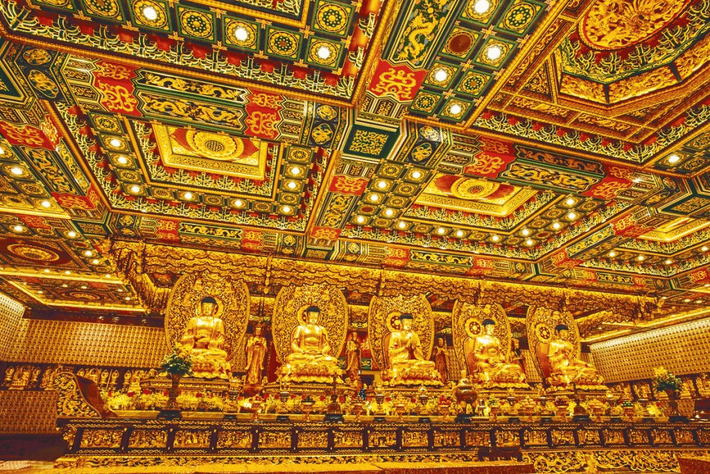
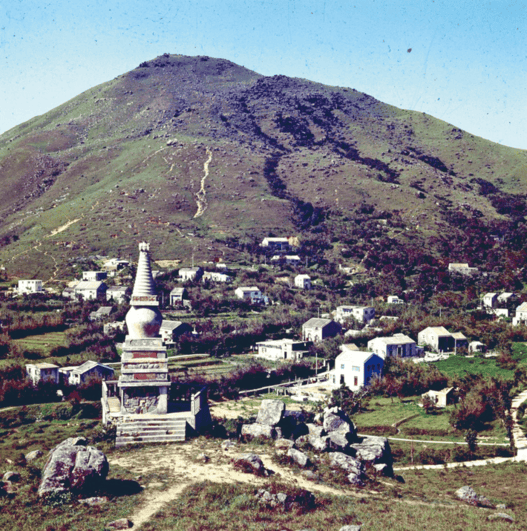
100 years ago, Po Lin Monastery was just a simple thatched hut in the remote mountains of Lantau Island. Through periods emphasizing both farming and Zen practice, autumn ordination ceremonies, establishing monastic traditions, nurturing monastic talents, charitable works, spreading the Dharma and benefiting sentient beings, building the Great Buddha, and constructing the Ten Thousand Buddhas Hall—today, Po Lin Monastery has become a Buddhist temple integrating Buddhist culture, garden landscapes, sculptural art, and both tradition and modernization. It also reflects the development and changes of Hong Kong society.
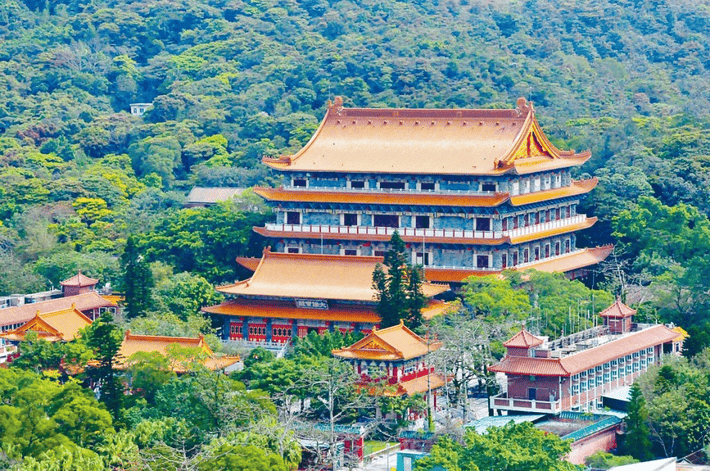
With a history of 117 years, Po Lin Monastery was originally named Tai Mao Peng (Great Thatched Hut). It was renamed Po Lin Monastery in 1924 by the first abbot, Venerable Ji Xiu.
Standing beside the century-old monastery, the Tian Tan Buddha is not only a famous Hong Kong landmark but also the world's tallest outdoor bronze seated Buddha. Taking 12 years to complete, the majestic Buddha sits solemnly atop Muk Yue Peak, 482 meters above sea level on Hong Kong's Lantau Island. It integrates the essence of ancient and modern Buddhist iconography, combining ancient bronze-casting traditions with modern science and technology—a perfect fusion of Buddhist spirit and contemporary civilization.
In 1963, the number of devotees visiting Po Lin Monastery gradually increased. The old Buddha Hall (Great Perfect Enlightenment) could no longer accommodate everyone, so construction began on the Grand Hall of Great Heroes. The two-story hall's lower level houses the Arhat Hall.
Building the Great Buddha to Promote Dharma and Purify Public Hearts
The concept for building the Tian Tan Buddha originally began in 1973. At that time, Venerable Masters Zhi Hui and Yuan Hui of Po Lin Monastery were invited by the Japanese Soto Zen sect to visit Japan, where they were deeply impressed by the solemnity and dignity of the Kamakura Great Buddha. The masters then visited Taiwan and saw the magnificent Zhanghua Great Buddha, which inspired them to build a great Buddha for Hong Kong, hoping that the stability and peace embodied by the statue would purify the hearts of the public. The following year, Po Lin Monastery obtained a government land grant at a nominal price for a 6,567-square-meter site on Muk Yue Peak to build the Buddha.
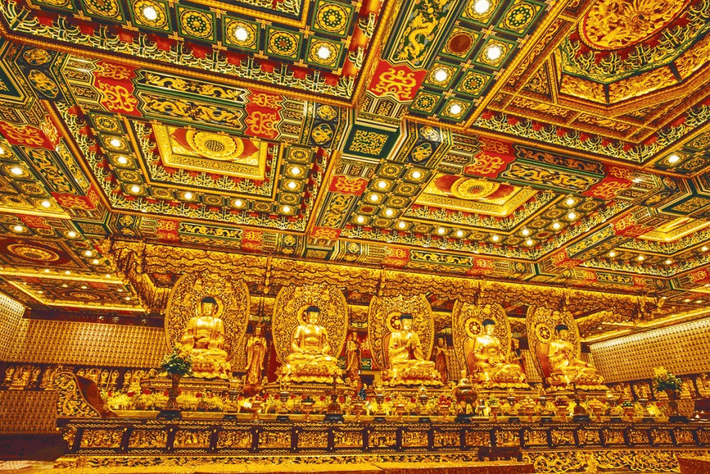
The Ten Thousand Buddhas Hall, completed in 2014, enshrines over ten thousand Buddha statues, the largest of which are the "Five Directional Golden Buddhas."
Referencing Sculptural Features from the Golden Age of Buddhism in the Sui and Tang Dynasties
The Tian Tan Buddha, which began planning in 1981, was designed according to the thirty-two marks of the Tathagata described in Buddhist scriptures. The facial features reference the Vairocana Buddha at the Longmen Grottoes, while the robe patterns and headdress reference the Shakyamuni Buddha image in Cave 360 of the Dunhuang Caves, incorporating characteristics from the golden age of Buddhism in the Sui and Tang dynasties. These elements were harmonized and unified by artists to create the final form of today's Tian Tan Buddha.
Standing approximately 34 meters tall, the Tian Tan Buddha is composed of 202 bronze panels ranging in thickness from 10 mm to 13 mm. Highly precise casting molds were produced for different parts of the Buddha's body, with an error margin of no more than 3 mm per panel. On October 13, 1989, the final bronze panel of the Buddha was installed, and a solemn topping-out ceremony was held that day. On December 29, 1993, the Tian Tan Buddha was formally consecrated.
Restoration Completed, Restoring the Buddha's Compassion and Dignity
Over the past thirty years, the Tian Tan Buddha has weathered countless storms alongside the people of Hong Kong. Its seaside location and intense sunlight have made its surface prone to corrosion. To prevent damage and preserve its appearance, Po Lin Monastery initiated a restoration project for the Tian Tan Buddha in June 2020. The work involved removing damaged protective coatings and harmful bronze patina from the statue, then reapplying new protective materials, along with beautifying the long staircase in front of the Buddha.
The restoration was completed and the site reopened to the public in December of last year. In addition to venerating the solemn Buddha statue, devotees could also visit the "Flourishing Lotus Flowers, Blessings for Hong Kong" 2023 Hong Kong Lotus Exhibition, held for the first time by Po Lin Monastery for ten consecutive days starting June 23. Taking the occasion of lotuses blooming across Hong Kong, the exhibition prayed for Hong Kong's stability, prosperity, and peaceful development.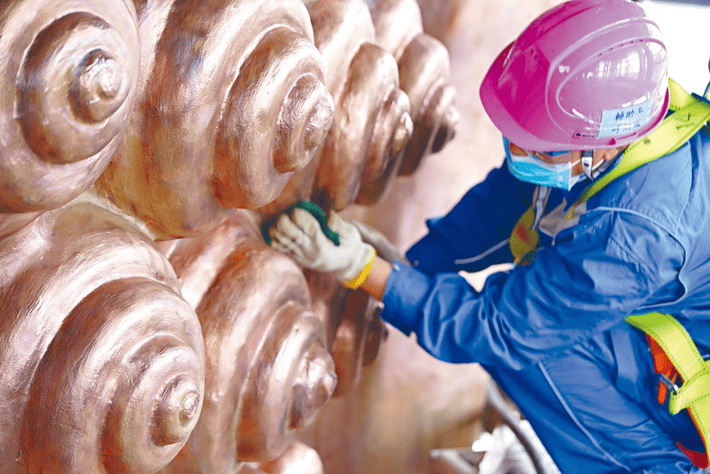
The Tian Tan Buddha after its renovation late last year, during polishing and recoloring work.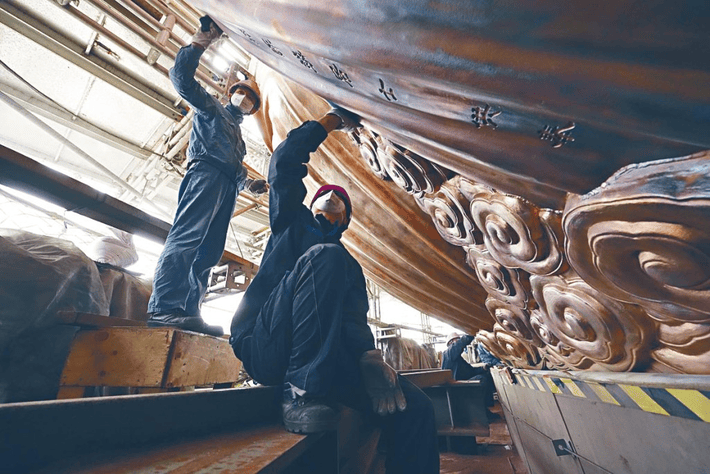
The Tian Tan Buddha after its renovation late last year, during polishing and recoloring work.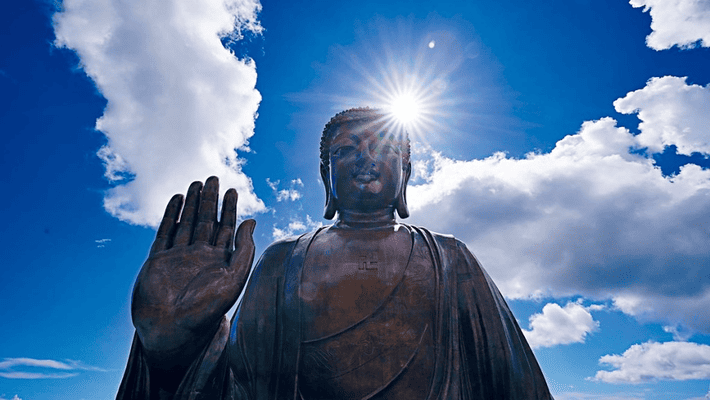
The restored Tian Tan Buddha continues to watch over Hong Kong, praying for social stability, prosperity, and the well-being of the nation and its people.
The restoration was completed and the site reopened to the public in December of last year. In addition to venerating the solemn Buddha statue, devotees could also visit the "Flourishing Lotus Flowers, Blessings for Hong Kong" 2023 Hong Kong Lotus Exhibition, held for the first time by Po Lin Monastery for ten consecutive days starting June 23. Taking the occasion of lotuses blooming across Hong Kong, the exhibition prayed for Hong Kong's stability, prosperity, and peaceful development.
The Tian Tan Buddha after its renovation late last year, during polishing and recoloring work.
The Tian Tan Buddha after its renovation late last year, during polishing and recoloring work.
The restored Tian Tan Buddha continues to watch over Hong Kong, praying for social stability, prosperity, and the well-being of the nation and its people.
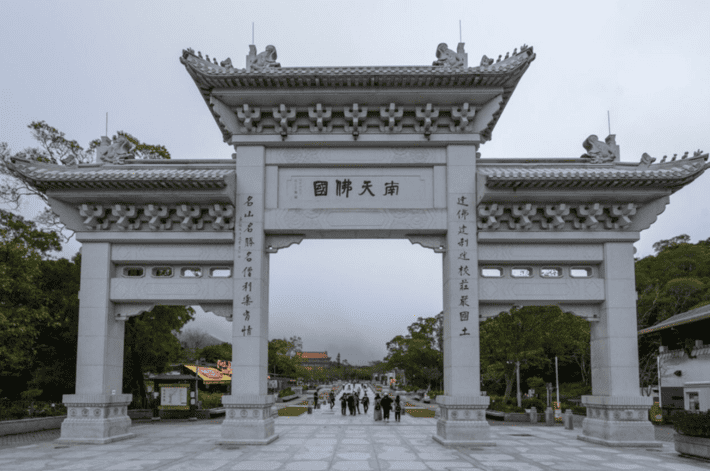
After taking the cable car to Ngong Ping and walking through Ngong Ping Village, the first thing that catches your eye is the four large characters "Southern Sky Buddha Land" engraved on the New Mountain Gate.
In 2000, Mr. Zhao Puchu, then President of the Buddhist Association of China, proposed the concept of "Five Great Buddhas of the Five Directions in China" based on the nation as a whole: the Lingshan Great Buddha in the East, the Leshan Great Buddha in the West, the Tian Tan Buddha in the South, the Yungang Great Buddha in the North, and the Longmen Great Buddha in the Central Plains. Po Lin Monastery in Hong Kong, home to the "Tian Tan Buddha," earned the reputation of "Southern Sky Buddha Land."
When the New Mountain Gate was under construction, Professor Jao Tsung-i, a renowned master of Chinese culture, gladly accepted the invitation of the most Venerable Zhi Hui, the seventh abbot of Po Lin Monastery at the time, and personally inscribed the four characters "Southern Sky Buddha Land." These were engraved on the horizontal plaque at the front of the gateway, echoing the "Wisdom Path."
The couplets on both sides were also composed and inscribed by Professor Jao Tsung-i, praising the monastery's contributions to temple construction, Dharma propagation, charitable education, and social welfare:
Building temples, building monasteries, building schools, adorning the land;
Famous mountains, famous sights, famous monks, benefiting sentient beings.
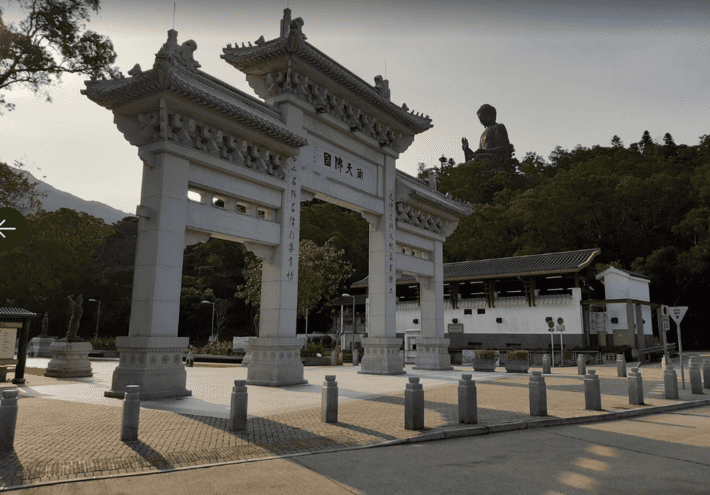
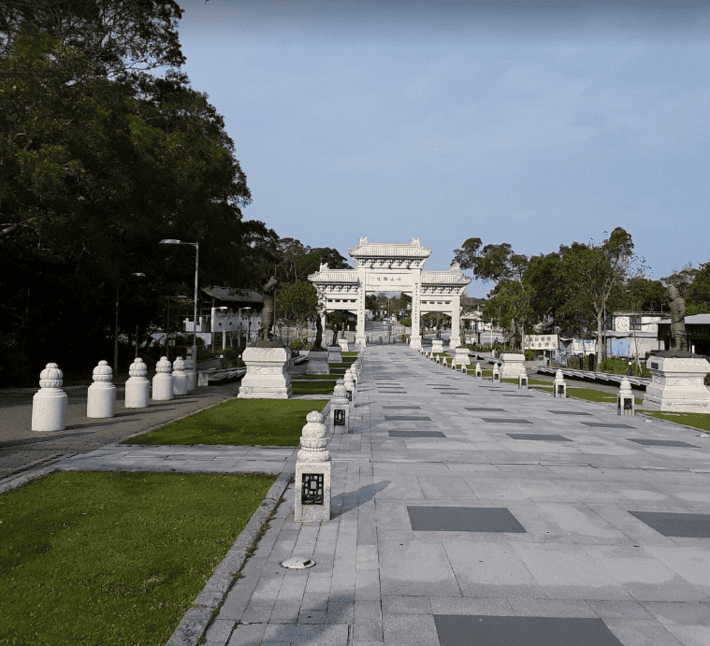
Passing through the New Mountain Gate and looking back, on the horizontal plaque at the back of the gateway are four characters inscribed by Professor Jao Tsung-i: "Lantau Island Wonderland."
Hong Kong has over 260 outlying islands, with Lantau Island being the largest, located in the southwestern part of Hong Kong. Surrounded by lush green mountains, beautiful beaches, and a tranquil environment, it is a world-famous tourist destination. Ngong Ping alone boasts ten renowned scenic spots. Po Lin Monastery, one of the "Ten Sights of Ngong Ping," is situated on the Ngong Ping plain between Mount Phoenix and Maitreya Mountain. Embraced by mountains and undulating hills, it offers spectacular scenery and has long been known as the "Lantau Island Wonderland."
The couplets on the back of the gateway read:
Within the Tathagata's seat, the splendid cosmos unfolds;
Beneath the Bodhi tree, the tranquil gate of liberation stands.
Here, in the "Southern Sky Buddha Land" and "Lantau Island Wonderland," one can purify the mind, let afflictions fade away, and behold the Dharma realm right before their eyes.
Lotus Culture
Eons of Radiance Gather Auspicious Signs
Four Virtues Shine in the Heart of the People
Three Autumns of Craftsmanship Reveal the Lotus Realm
Victoria Harbour’s Lasting Glory Traces Back to the Origin
I. The Lotus Lineage: Ten Thousand Years of Spiritual Vitality
As a living fossil spanning geological eons, the lotus shares its life cycle with the growth of Chinese civilization. Carbonized ancient lotus seeds unearthed at Hemudu provide evidence of the profound bond between humans and lotuses seven thousand years ago. The verse "I gather lotus flowers for my robe" in Chu Ci reflects early ancestors’ spiritual connection to the lotus. From being a cherished ritual plant in the Zhou Dynasty, to its integration into metaphysical discourse during the Wei-Jin period, from lotus motifs adorning Tang Dynasty palaces to its personification of moral ideals in Song Dynasty Neo-Confucianism—this “living artifact” has continuously carried the spiritual essence of Chinese civilization.
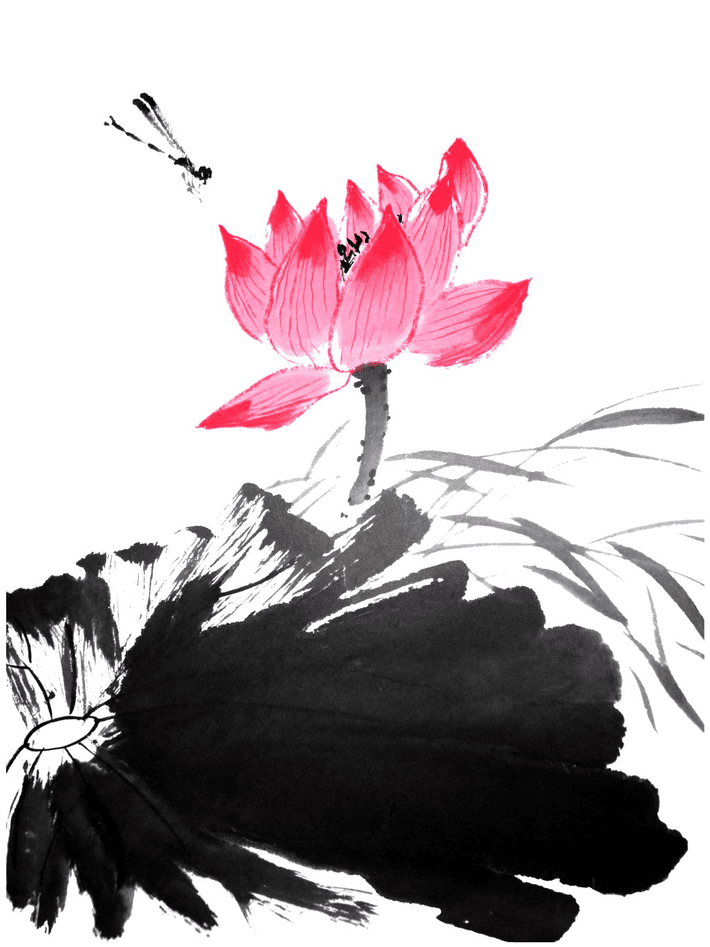
II. The Lotus Spirit: Four Virtues Mirroring the National Soul
The lotus embodies four virtues that illuminate the essence of Chinese civilization: subtlety reflects humility (lotus leaves overlapping like green coins on the creek), mystery reveals the cosmic way (natural purity without artifice), fragrance exemplifies virtue (gentlemanly scent carried by moonlight wind), and purity stands as moral backbone (unyielding integrity in a turbid world). These traits resonate spiritually with Confucian “self-cultivation in solitude,” Daoist “returning to simplicity,” and Chan Buddhist “seeing one’s true nature.” Folk traditions like “fish playing among lotuses” praying for offspring and “lotus and reed” symbols blessing marital harmony have deeply embedded lotus culture into daily life.
III. The Lotus Realm: Three Years of Craftsmanship Building “Love for the Lotus”
Through three years of collaboration among Po Lin Monastery, Institute of Horticultural (Hong Kong), and Sing Tao News Corporation Limited, the lotus continues to inspire in three dimensions:
(1) Ecological Creation – The new “Love for the Lotus Pond” landscape uses borrowed scenery techniques to create a “lotus island fantasy,” recreating the Eastern aesthetic of “a world in a single flower.”
(2) Artistic Innovation – From potted to pond-grown lotuses, from June-blooming to year-round “bloom-on-demand” water lilies, from cultivating common lotuses to introducing rare varieties (such as Kunshan Bingdi lotus), the boundaries of lotus growth in subtropical cities are being expanded.
(3) Cultural Immersion – After three years of exploration, the Hong Kong Lotus Exhibition transcends traditional display formats. While showcasing the lotus’s timeless elegance, noble character, and harmony between heaven and humanity, it integrates Chan philosophy and natural healing. The exhibition features six cultural perception units: visual feast (Dunhuang lotus dance performances, ink painting aesthetics), auditory sanctuary (Jiangnan silk and bamboo music, guqin melodies, Buddhist chants and singing bowls), olfactory memory (thousand-year incense rituals), gustatory philosophy (tea and Zen Eastern aesthetics, ethnic minority tea arts), tactile dialogue (royal lotus engraving craftsmanship, ancient floral paper making), and mindful awareness (meditation and sutra copying spaces, in-depth cultural lectures). Through interconnected sensory and spiritual experiences, the exhibition creates an immersive cultural sanctuary that purifies the six senses.
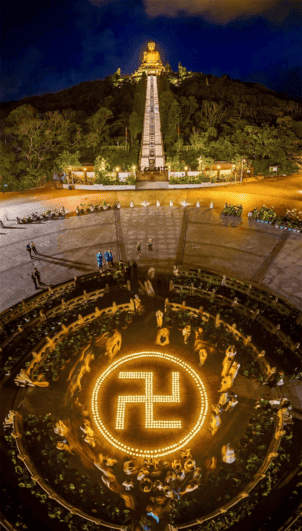
(1) Ecological Creation – The new “Love for the Lotus Pond” landscape uses borrowed scenery techniques to create a “lotus island fantasy,” recreating the Eastern aesthetic of “a world in a single flower.”
(2) Artistic Innovation – From potted to pond-grown lotuses, from June-blooming to year-round “bloom-on-demand” water lilies, from cultivating common lotuses to introducing rare varieties (such as Kunshan Bingdi lotus), the boundaries of lotus growth in subtropical cities are being expanded.
(3) Cultural Immersion – After three years of exploration, the Hong Kong Lotus Exhibition transcends traditional display formats. While showcasing the lotus’s timeless elegance, noble character, and harmony between heaven and humanity, it integrates Chan philosophy and natural healing. The exhibition features six cultural perception units: visual feast (Dunhuang lotus dance performances, ink painting aesthetics), auditory sanctuary (Jiangnan silk and bamboo music, guqin melodies, Buddhist chants and singing bowls), olfactory memory (thousand-year incense rituals), gustatory philosophy (tea and Zen Eastern aesthetics, ethnic minority tea arts), tactile dialogue (royal lotus engraving craftsmanship, ancient floral paper making), and mindful awareness (meditation and sutra copying spaces, in-depth cultural lectures). Through interconnected sensory and spiritual experiences, the exhibition creates an immersive cultural sanctuary that purifies the six senses.
IV. The Lotus Wish: Tracing the Origin in Victoria Harbour’s Grandeur
A civilization flows like a river and must trace its source; a nation grows like a tree and must strengthen its roots. Traditional culture is both the key to decoding history and the spring that nourishes the future. On the occasion of the third Lotus Exhibition, we hope to cultivate a clear and serene heart among citizens through the lotus, strengthen social foundations through cultural identity, allow Eastern wisdom to bring fresh streams into modern metropolises, and let Hong Kong—this pearl—shine with even brighter humanistic radiance.
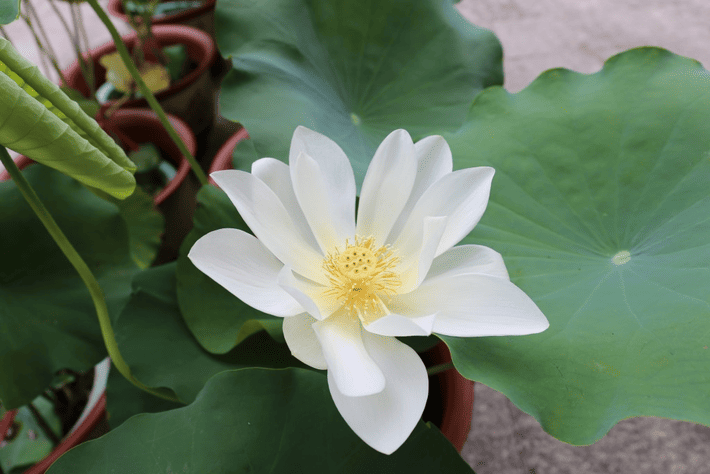 Over 100 million years ago, lotus flowers grew in the Yellow River and Yangtze River basins, demonstrating their tenacious vitality.
As early as 9,000 years ago, primitive people gathered lotus seeds and roots (lotus rhizomes) to stave off hunger, gradually giving rise to a lotus-based food culture focused on health preservation.
At the Yangshao Culture site dating back 5,000 years, two lotus seeds marked the beginning of a long and rich history of lotus cultivation.
During the Spring and Autumn and Warring States periods, the elegantly understated lotus gradually entered the spiritual world of the Chinese people.
After the unification of China under the Qin Dynasty, the fresh and refined lotus culture slowly permeated agriculture, economy, medicine, religion, and other fields.
Following the Sui and Tang Dynasties, the rich and diverse lotus culture became a source of creative inspiration for artists working in poetry, painting, sculpture, crafts, architecture, and garden design.
From the Song and Ming dynasties onward, the lotus became a prized flower for cultivating personal character: the lotus emerges pure from muddy water yet is not demonic, symbolizing integrity and incorruptibility; the lotus blooming in twin flowers represents harmony and perfect union; auspicious lotus motifs such as "Lian (lotus) gives sons" and "Lian (lotus) brings surplus year after year (fish)" express people’s heartfelt wishes.
The lotus is a sacred flower of Chinese culture, embodying a uniquely Chinese aesthetic and serving as an important carrier of traditional Chinese culture. The lotus possesses four virtues: subtlety, wonder, fragrance, and purity. Ancient people praised the lotus, likening its "lotus leaves and five-inch delicate blooms" to its essential virtue, its "curling and opening freely, true to itself" to its wondrous virtue, its "fragrant sleeves wafting in the breeze" to its fragrant virtue, and, most famously, its "rising from the mud untainted, washed by pure ripples yet not seductive" to its pure virtue. Thus, the lotus is not only a symbol of Buddhism but also a symbol of Chinese culture.
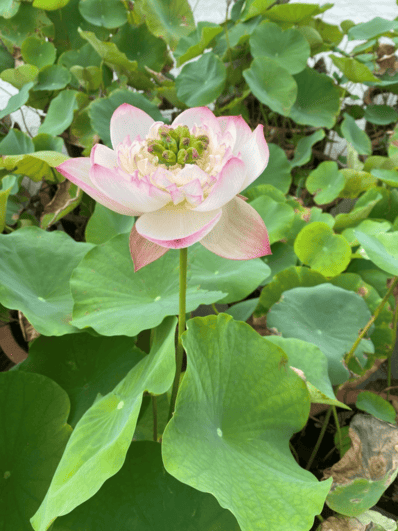
In 2017, archaeologists excavating the ruins of the Old Summer Palace (Yuanmingyuan) discovered 11 ancient lotus seeds from the Qing Dynasty, dating back over a hundred years. After more than two years of effort, specialists not only "awakened" these dormant ancient seeds but also made them bloom into beautiful lotus flowers. When the news broke, the world was astonished.
In fact, among the awakened ancient lotus seeds, this batch from the Qing Dynasty is relatively "young." As early as the late Ming and early Qing dynasties, the historian Tan Qian recorded the blooming of ancient lotus seeds in his Northern Travels · Records of Hearings: "In Ningjin County, Zhaozhou, there are stone lotus seeds buried in the earth for an unknown number of years. When residents dig the soil, they often find several hu (ancient unit of volume) of them. They are like iron or stone in appearance, with fragrant and unfaded flesh. When thrown into water, they immediately grow into lotuses."
The most famous ancient lotus seeds in modern times are the thousand-year-old ancient lotus seeds from Pulandian, discovered in the 19th century. During the Republican era, Sun Yat-sen traveled to Japan and gave four Pulandian ancient lotus seeds to his Japanese friend Tanaka Takashi. Later, the Japanese paleontologist Ichiro Ohga used plant physiological methods to calculate that the lifespan of the Pulandian ancient lotus seeds exceeded a thousand years. Moreover, he successfully cultivated lotus sprouts from these thousand-year-old seeds.
When the news spread, the fame of the Pulandian ancient lotus seeds resonated throughout the world. Scholars from China, Japan, the United States, Russia, and other countries successively studied them and determined that the ancient lotus seeds are the oldest living seeds in the world. In 1951, American chemist Willard Libby used his invention, radiocarbon dating (carbon-14), to measure the age of the Pulandian ancient lotus seeds at 1,040 years. He recorded this result in his writings, which inaugurated a new era in archaeology. In 1955, Professor Xu Ren of the Institute of Botany, Chinese Academy of Sciences, used five Pulandian ancient lotus seeds to cultivate lotus flowers, seed pods, and new seeds. Coincidentally, in recent years, ancient lotus seeds from the Song and Yuan dynasties unearthed in Nanjing, Kaifeng, and other places have also been cultivated into beautiful lotus flowers.
Thus, the lotus is not only one of the oldest existing flowers on Earth, having existed as early as 135 million years ago in the age of dinosaurs and ancient ferns, but its seeds also possess a uniquely strong vitality. After being buried in the soil for hundreds or thousands of years, the shells of these ancient seeds have petrified. To awaken them, botanists carefully grind away a part of the hard shell with tools to expose the inner kernel, then soak it in water so it can germinate and grow.
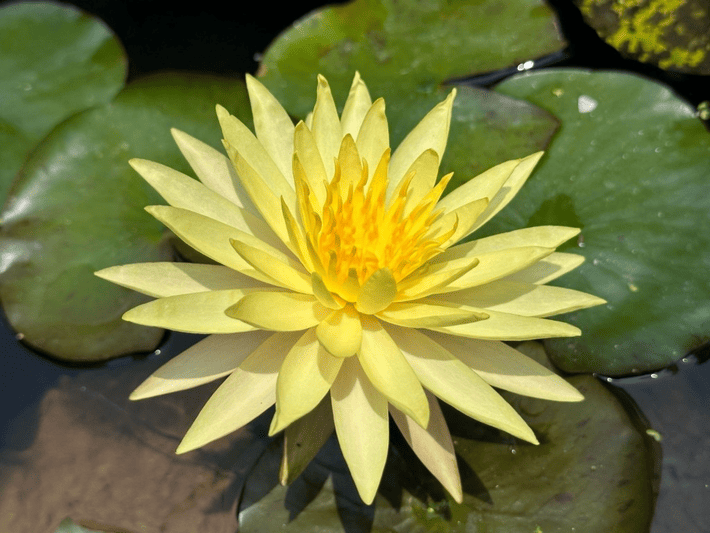
This inevitably brings to mind the Buddhist Lotus Sutra, which states that all sentient beings possess the wisdom and virtue of the Tathāgata, i.e., "Buddha-nature." Buddha-nature is like an ancient lotus seed: though buried deep in the mud, its shell hardened like stone by the sediments of time and habitual tendencies, the inner "Buddha-nature" remains "unborn, unceasing, undefiled, untainted, neither increasing nor decreasing," far removed from all defilement and impermanent decay. Even in the most depraved person, shrouded in layers of evil habits, the "Buddha-nature" at the deepest level is never damaged. As long as the conditions ripen and the right method is applied to break through the hard shell of habitual tendencies, one can likewise blossom into the most sacred and wondrous lotus flower.
This idea is not exclusive to Buddhism; similar thoughts appear in the Confucian tradition. For instance, the Warring States period Confucian sage Mencius believed that human nature is inherently good. The Three Character Classic, a children's primer in Confucian culture, says: "At birth, human nature is good. Natures are similar, habits make them distant." This resonates profoundly with the Buddhist concepts of "Buddha-nature" and "habitual tendencies."
Understanding this principle brings us the greatest confidence and courage, because even when we are completely lost and at the lowest point in our lives, we still possess this most precious "Buddha-nature." Nowadays, many young people, overwhelmed by various pressures, feel confused and lost, lacking self-confidence, feeling disheartened or even desperate about life, choosing to give up or even end their lives. This is all because they do not understand their own "Buddha-nature." As in the parable from the Lotus Sutra, they are like a beggar who holds a priceless pearl in his bosom but does not know it, thus wandering and begging in misery. If they could only slightly understand their "Buddha-nature," they would be like awakened thousand-year-old lotus seeds, blooming with fragrant flowers.
The Platform Sutra of the Sixth Patriarch says: "How wondrous that our self-nature is intrinsically pure! How wondrous that our self-nature is intrinsically unborn and unceasing! How wondrous that our self-nature is intrinsically complete! How wondrous that our self-nature is intrinsically unmoving! How wondrous that our self-nature can give rise to all phenomena!" Our Buddha-nature inherently possesses all that is good and beautiful. While we are busy making a living, we should also set aside some time to explore the wisdom and goodness inherent in our own minds, rather than spending all our leisure time on dazzling phones and the internet. In this way, everyone has the opportunity to experience the enlightenment of Chan master Yulin of Chaling in the Song Dynasty: "I have a single luminous pearl, long locked away by toil and dust; now that the dust has vanished, its light blazes forth, illuminating ten thousand mountains and rivers."
Donation
In ancient times, lotus flowers were praised as “emerging unstained from the mud, pure and elegant without flirtation.” The lotus is not only a symbol of sacredness and purity in Buddhism, but also an important emblem of China’s fine traditional culture.
Po Lin Monastery has successfully hosted three consecutive Hong Kong Lotus Festivals since 2023, receiving enthusiastic support from citizens and visitors from various regions. This year, Po Lin Monastery and Institute of Horticultural(Hong Kong)are once again jointly organizing the “2026 Hong Kong Lotus Festival” to be held from June 20 to July 2, 2026. At Po Lin Monastery, the Tian Tan Buddha, and the Buddha Park (the plaza in front of the Tian Tan Buddha), thousands of potted lotus flowers of different varieties will be on display for the public and tourists to enjoy.
The Lotus Festival requires substantial funding. We sincerely invite contributions from all sectors of the community. For inquiries, please contact us at 2985 5248.
Po Lin Monastery has successfully hosted three consecutive Hong Kong Lotus Festivals since 2023, receiving enthusiastic support from citizens and visitors from various regions. This year, Po Lin Monastery and Institute of Horticultural(Hong Kong)are once again jointly organizing the “2026 Hong Kong Lotus Festival” to be held from June 20 to July 2, 2026. At Po Lin Monastery, the Tian Tan Buddha, and the Buddha Park (the plaza in front of the Tian Tan Buddha), thousands of potted lotus flowers of different varieties will be on display for the public and tourists to enjoy.
The Lotus Festival requires substantial funding. We sincerely invite contributions from all sectors of the community. For inquiries, please contact us at 2985 5248.
Donation Methods
-
Online Donation (FPS)
-
Crossed Cheque
Please make your cheque payable to "Po Lin Monastery" and mail it together with the completed form to Po Lin Monastery, Ngong Ping, Lantau Island. Please mark "Sponsorship for Hong Kong Lotus Festival" on the envelope. -
Bank Transfer
Please send the bank-in slip together with the completed form via WhatsApp at 6826 5248, email to info@plm.org.hk, or fax to 2985 5600, and indicate "Sponsorship for Hong Kong Lotus Festival".
Bank: HSBC
Account Name: Po Lin Monastery
Account Number: 066-002171-002 -
Cash
Please visit the Po Lin Monastery office at Ngong Ping, Lantau Island in person to make your donation.
Contact Us
Tel:2985 5248
E-mail:info@plm.org.hk
Address:Po Lin Monastery, Ngong Ping, Lantau Island
Facebook:The Hong Kong Lotus Festival
E-mail:info@plm.org.hk
Address:Po Lin Monastery, Ngong Ping, Lantau Island
Facebook:The Hong Kong Lotus Festival